
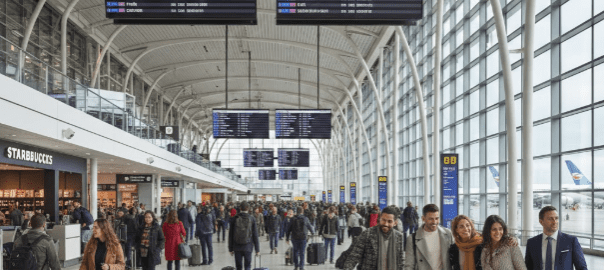
Jan. 22, 2026 /Mpelembe Media/ — In 2026, short-term travel is undergoing a significant transformation as long weekends increasingly replace traditional extended holidays. Data indicates a 34% rise in trips lasting four days or fewer, a trend primarily propelled by working professionals aged 25 to 49. These travellers are leveraging public holidays to attend major entertainment events or visit bustling urban hubs like Bangkok, London, and Paris. To facilitate this shift, digital tools such as Gemini are being used to generate instant, customised itineraries for various travel styles. Ultimately, the modern workforce is prioritising efficient, meaningful escapes that require minimal annual leave.
In 2026, long weekends are evolving from simple rest periods at home into “meaningful getaways,” effectively becoming the “new vacations” for a significant portion of the global population. This shift is characterised by a move towards shorter, more frequent trips that maximise public holidays to preserve annual leave.
Below is a detailed look at how these trends are redefining travel for 2026:
Significant Growth in Short-Stay Bookings
There has been a 34% year-on-year increase in bookings for short trips of four days or less globally. This trend is particularly prominent in Europe, although it is a worldwide phenomenon. The primary drivers of this shift are working adults aged 25 to 49, who account for more than half of these short-trip bookings. By strategically scheduling trips around holidays like Good Friday or Hari Raya, travellers can enjoy international or domestic escapes while only using one or two days of annual leave.
The Rise of Entertainment Tourism
A major trend defining 2026 is the surge in entertainment tourism, where travellers fly specifically to attend live events. This “gig-tripping” involves:
Regional travel for concerts: For example, Chinese travellers are visiting Hong Kong for Blackpink, while Filipino fans are heading to Singapore for SEVENTEEN.
Cultural attractions: Singaporean travellers are notably booking trips to Kuala Lumpur for the Mayday #5525 Live Tour.
Regional and Domestic Preferences
Travel patterns for these short breaks vary by region, with a strong emphasis on major hubs and domestic “staycations”:
- Asia: Top destinations include Bangkok, Hong Kong, Seoul, and Taipei.
- Europe: Travellers are gravitating towards London, Paris, Barcelona, and Lisbon.
- Domestic Focus: In countries like China, Thailand, and the Philippines, domestic travel remains highly popular, with cities such as Chengdu, Bangkok, and Caticlan leading as top-booked destinations.
Diverse Travel Personas
Travel experts identify three distinct styles of long-weekend travel emerging in 2026:
The Fun-Loving: Groups seeking vibrant nightlife and local cuisine, often choosing destinations like Bangkok.
The Family-Friendly: Parents looking for educational and entertaining trips, such as visiting the pandas in Chengdu.
The Quiet/Solo Traveller: Individuals looking for spontaneity and a “nature escape” to recalibrate away from crowds, with Nice, France, cited as a prime example.
Technology-Driven Spontaneity
The ability to take these frequent trips is being supported by advanced planning tools. Travellers are increasingly using one-stop hubs like Trip.Planner to create personalised itineraries in less than a minute. These tools allow users to gauge budgets, incorporate social media trends into their plans, and export schedules for easy reference on the road, making spontaneous, short-term travel more accessible than ever.
Gemini is particularly well-suited for travel planning because it integrates directly with Google’s travel ecosystem, including Google Flights, Hotels, and Maps.
As of early 2026, Gemini has evolved into a highly capable “travel partner” that can handle everything from vague inspiration to specific booking logistics.
How Gemini Can Help You Plan
You can use Gemini to move through the different phases of trip planning:
Research & Inspiration
If you aren’t sure where to go, you can describe your “vibe.”
Prompt Idea: “Find me a destination for a 5-day solo trip in March. I want somewhere warm with great street food and easy public transport, with a budget of $1,200.”
What it does: Gemini will suggest cities and explain why they fit your criteria, often pulling in real-time weather and pricing data.
Live Flight and Hotel Searching
Unlike other AI assistants, Gemini can pull real-time availability from Google’s databases.
Prompt Idea: “Find nonstop flights from New York to London for the week of June 10th and show me a few boutique hotels near Soho under $300 a night.”
What it does: It will present a list of actual flight options and hotel prices. You can even ask it to filter by amenities (e.g., “hotels with a gym” or “flights that arrive before 10 AM”).
Dynamic Itinerary Building (Canvas)
Google has introduced a feature called Canvas for Travel within Gemini.
How it works: When you ask for an itinerary, it creates an interactive side-panel. As you chat—for example, saying “Actually, swap the museum on Day 2 for a hiking trip”—the itinerary updates in real-time.
Visualization: It can plot your recommended stops on an expandable Google Map so you can see if your plan makes sense geographically.
Personal Intelligence (The “Gmail” Advantage)
If you have a Google One subscription, Gemini can access your personal data (with permission) to make planning seamless.
Example: It can find a past hotel you liked in your emails or check your flight confirmation in Gmail to suggest a restaurant near your specific arrival gate or hotel.
Pro-Tips for Better Itineraries
To get the most out of the AI, try these strategies:
Set Your Pace: Tell Gemini if you like a “packed schedule” or a “relaxing pace with only one activity per day.”
Export Your Plan: Once you’re happy with the itinerary, ask Gemini to “Export this to a Google Doc” or “Email this to my partner.” It can also save your suggested locations as a list in Google Maps.
The “Gems” Feature: You can create a custom “Travel Gem” (a pre-configured persona) that already knows your preferences (e.g., “I only stay in Marriott hotels” or “I am a vegan traveler”).
Important Limitations
While Gemini is powerful, keep these “reality checks” in mind:
It cannot book for you: Gemini can find the flight and provide the link, but it won’t enter your credit card info or complete the transaction (yet).
Verify Hours: AI can sometimes hallucinate museum closing times or holiday hours. Always click the provided links to confirm before you head out.
In 2026, entertainment tourism—often referred to as “gig-tripping”—has become a primary catalyst for the surge in short-stay travel, as global audiences increasingly fly to international destinations specifically to watch their favourite artists live.
This trend is driving short-stay travel in the following ways:
The “Fly-In, Fly-Out” Phenomenon
Travel patterns are shifting towards high-efficiency trips where fans “fly in and out” just for a specific event. This behaviour is a key component of the broader 34% year-on-year increase in bookings for trips lasting four days or less. By aligning these events with public holidays, such as Good Friday or Hari Raya, travellers can attend a world-class concert while only using one or two days of annual leave.
Regional “Gig-Tripping” Hubs
The “gig-tripping” trend in 2026—where global audiences fly to specific destinations for short trips to see live performances—is being driven by the following artists and tours:
Blackpink: Their World Tour ‘Deadline’ in Hong Kong is a primary attraction, particularly for Chinese travellers seeking a quick getaway.
SEVENTEEN: The SEVENTEEN World Tour in Singapore is a top-booked event for travellers from the Philippines.
Mayday: Their #5525 Live Tour in Kuala Lumpur is a major driver for short-stay travel among Singaporean holiday-goers.
These artists are contributing to a 34% year-on-year increase in bookings for short trips of four days or less. By aligning these concerts with public holidays like Good Friday or Hari Raya, fans can attend these international events while only using one or two days of annual leave,.
Technological Integration
The rise of entertainment tourism is supported by advanced planning tools that allow travellers to integrate trending events into their schedules with ease. Platforms like Trip.Planner enable users to add concerts and new openings to a personalised itinerary in less than a minute. Furthermore, travellers can now copy and paste links from social media directly into their planning tools to ensure they don’t miss out on “hidden gems” or trending experiences recommended by the travel community.
Demographic Drivers
This trend is largely powered by working adults aged 25 to 49, who represent more than half of all short-stay bookings. For this demographic, entertainment tourism transforms a standard long weekend from a period of rest at home into a “meaningful getaway” centred around a unique cultural experience.
While these short, event-driven trips are becoming “the new vacations,” they are often supplemented by local exploration. For instance, travellers visiting cities like Bangkok for its nightlife and cuisine are encouraged to use ranking lists to find the best bars and clubs to visit alongside their primary reason for travel.
There are several ways for solo travellers to discover or create their own quiet long-weekend getaways:
Customised “Relaxed” Itineraries
Travellers are no longer restricted to pre-set lists. Instead, they are using AI, like Gemini, to generate personalised itineraries based on individual preferences. You can specifically select “solo travel” and a “relaxed holiday” setting to receive recommendations for flights, hotels, and attractions suited for a quieter pace in various locations.
Finding “Hidden Gems”
For those seeking quiet spots beyond the major tourist hubs, Gemini can suggest using Local Guides. This platform provides first-hand experiences from the travel community and “budding creators,” allowing solo travellers to identify “hidden gems” and nature-based locations that are away from the crowds.
General Short-Stay Destinations
While not specifically labelled as “quiet” in the sources, several other destinations are trending for short trips in 2026. A solo traveller looking for a “relaxed” break might use the planning tools to explore these popular regions:
Europe: Barcelona, Lisbon, London, and Paris.
Asia: Seoul and Taipei (noted alongside Bangkok and Hong Kong).
Domestic Options: For those in the Philippines, Caticlan is a top-booked domestic destination, which may offer different environments for a solo break.
In summary, AI technology now allows travellers to redefine any destination into a “meaningful getaway” tailored to their need for recalibration and nature, ,.
Visit https://mappibiz.com to plan your vacation