
Category Archives: Environment

26May/26

How heat rewrites the rules of survival

When the Heat is On: Cognitive Decline, Aggression, and Ecological Collapse

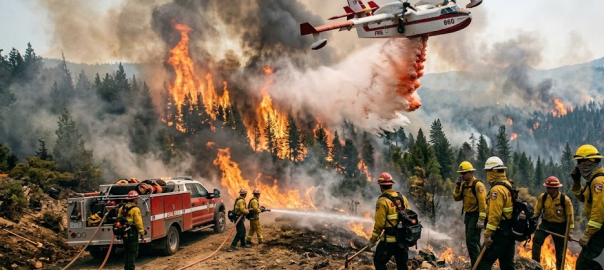
Tue, May 26 2026 /Mpelembe Media/ — Extreme heat acts as a severe neuroenvironmental stressor that physically damages animal brains, leading to profound cognitive and behavioral impairments. As temperatures rise, animals suffer from localized cerebral hyperthermia, which causes neuronal silencing, neuroinflammation, and even the structural shrinkage of key brain regions responsible for memory and social behavior. This physiological damage manifests as degraded problem-solving abilities, impaired spatial navigation, and the rapid loss of learned associations across diverse species, from bumblebees and fish to birds and mammals. Continue reading

23May/26

When the world’s biggest dams run dry

Rising Tides and New Horizons: Lake Kariba’s Hydrological Recovery and Energy Revival

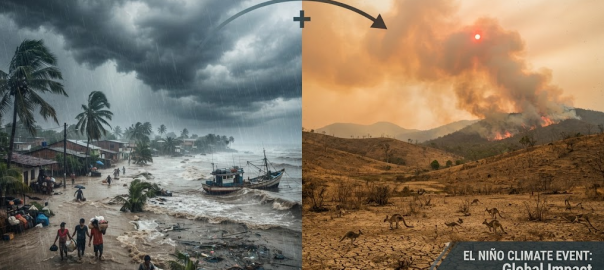
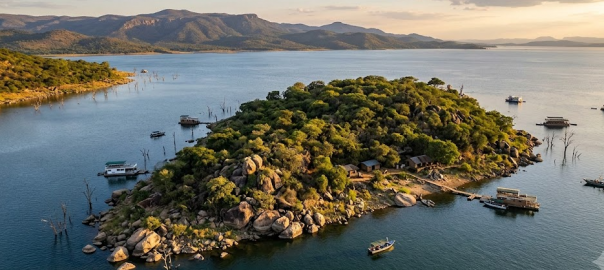
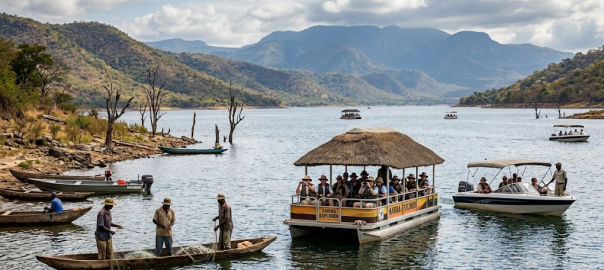
Sat, May 23 2026 /Mpelembe Media/ —  Recent developments around Lake Kariba highlight a remarkable hydrological, economic, and safety transformation for the region. Following a severe El Niño-induced drought that caused water levels to plummet to just 13% of usable capacity in 2024, above-average rainfall in the 2025/2026 season has driven Lake Kariba’s water levels up to 42.40% by mid-May 2026. This rapid recovery has allowed the Zambezi River Authority to allocate 30 billion cubic meters of water for hydroelectric power generation, paving the way to ease crippling load-shedding in Zambia and Zimbabwe and triple electricity output at facilities like the Kariba South Power Station. Continue reading

20May/26

Zambia Tames Its Deadly Gold Rush

From Copper to Gold: Zambia’s State-Led Blueprint for Formalizing Artisanal Mining

Wed, May 20 2026 /Mpelembe Media/ — Zambia is actively diversifying its mining economy beyond its traditional reliance on copper by executing a structural overhaul of its artisanal and small-scale gold mining (ASGM) sector. The primary catalyst for this shift was a massive, unregulated gold rush in the Kikonge area of Mufumbwe in mid-2025. The sudden influx of thousands of informal miners led to catastrophic safety failures, the emergence of illicit smuggling markets, and deadly clashes with state security forces. Recognizing that military intervention was an unsustainable fix for an economic problem, the Zambian government shifted toward a commercial integration strategy. Continue reading

28Jan/26

Norway and Zambia Finalize Article 6 Deal to Boost Renewable Energy Grid

Jan. 28, 2026 /Mpelembe Media/ — Norway and Zambia have recently entered into a formal agreement to exchange carbon credits under the framework of the Paris Agreement. This bilateral deal allows Norway to purchase offsets generated by the expansion of renewable energy projects within the African nation. The initiative specifically targets the enhancement of Zambia’s electrical grid to compensate for a decline in traditional hydroelectric power sources. By supporting these sustainable energy transitions, the partnership aims to achieve measurable emission reductions while addressing local energy security. Ultimately, this collaboration represents a strategic use of Article 6 to foster international cooperation on global climate goals. Continue reading

22Dec/25

Nutri-Aqua: A Guide to Sustainable Zambian Fish Farming

Dec. 22, 2025 /Mpelembe Media/ — This is an outline of a sustainable, community-focused framework for fish farming in Zambia that prioritises holistic wellness over commercial profit. It advocates for integrated agriculture-aquaculture designs, such as “Smart Ponds” that use nutrient-rich water to irrigate vegetable gardens. To ensure environmental protection, the guide suggests using indigenous species and organic feeds like Black Soldier Fly larvae instead of expensive, imported chemicals. The sources also provide practical toolkits, including community training modules, budget estimates, and risk management plans to foster local resilience. Ultimately, the material serves as a comprehensive manual for building circular food systems that improve nutrition and ecological health. Continue reading

23Nov/25

Decarbonising the Built Environment Through Technology and Energy Innovation

A new Special Report by Sustainability Magazine titled ‘Technology & Energy: Decarbonising the Built Environment’, focuses on how global property and real estate leaders are deploying innovative technologies to reduce carbon emissions, since buildings are responsible for a significant percentage of global energy use and carbon emissions. Key companies like Cushman & Wakefield, CBRE, and Johnson Controls are featured for their efforts in leveraging smart systems, electrification, and clean energy to achieve net-zero commitments. The report highlight that smart building technologies are instrumental in reducing energy consumption and underscore the growing market value of green building practices. Continue reading

26Oct/25

Water Pollution Threatens UK Food Chain

Hydrachem, a UK-based water and surface disinfection specialist warns that the surge in contaminated water incidents poses a grave threat to the food and farming sectors. Hydrachem reports a 29% increase in pollution incidents in England and Wales in 2024, with severe cases rising by 60%, jeopardising crop quality, livestock welfare, and the entire food supply chain. Continue reading

25Oct/25

Should you pour coffee down the drain? An environmental scientist explains

Kevin Collins, The Open University

A woman was recently fined £150 by a council for pouring coffee down a drain before getting on a bus. The fine has now been rescinded by Richmond council in London, but the incident has prompted many discussions about whether coffee discarded like this could cause environmental damage.

Continue reading

29Sep/25

Climate TRACE July 2025 Emissions Data

Global greenhouse gas emissions data for July 2025 report shows that total global emissions reached 5.21 billion tonnes CO₂e, marking a slight increase of 0.43% compared to July 2024. The release provides a comprehensive breakdown of these emissions by major countries (with China, the US, and India showing increases), sectors (with fossil fuel operations seeing the largest increase), and the top emitting urban areas. Continue reading

06May/25

Bladex and the Panama Canal: An Alliance Transforming Plastic Waste into Progress for Communities


What was once considered waste is now a symbol of hope. Thanks to the joint efforts of Banco Latinoamericano de Comercio Exterior, S.A. (Bladex), the Panama Canal, and the Botellas de Amor Foundation, a new pedestrian bridge has been inaugurated in the Watershed of the Panama Canal, built from over 3 tons of recycled plastic. Continue reading