The Jeremiah Island Evictions
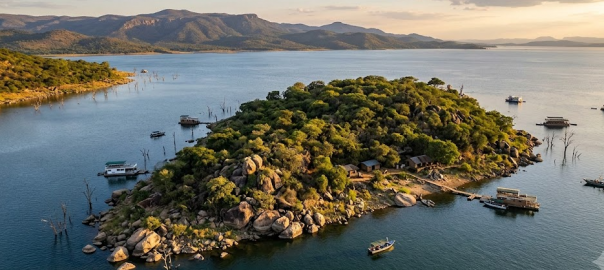
Thu, July 30 2026 /Mpelembe Media/ — This report documents and examines the ecological, social, and industrial landscape of Lake Kariba and the broader Zambian region, focusing on the tension between economic development and community welfare. One source highlights the area’s tourism and biodiversity, detailing the lake’s role as a massive man-made reservoir that supports both wildlife and hydroelectric power. In contrast, legal and technical reports address the displacement of rural populations and the necessity of protecting customary land rights through fair compensation and informed consent. Efforts to improve public health are also discussed, specifically through the creation of nutrient-dense fish-based food products to combat infant malnutrition. Finally, the sources document the importance of regulatory oversight, as evidenced by the closure of a major fish farm for violating environmental and sanitary standards. Together, these texts illustrate a complex regional effort to balance industrial growth with environmental protection and human rights. Continue reading