

Tag Archives: Resilience

27Aug/26

Rebuilding after the thirty-minute Himalayan flood

Beyond the Storm: Why Repeated Hazards Trigger Systemic Collapse and Compounded Human Tolls

Thu Aug 27 2026 /Mpelembe Media/ — The accelerating pace of human-caused climate change is compressing the temporal intervals between extreme meteorological and geophysical events, giving rise to a critical systemic challenge known as the recovery gap. This gap represents the temporal misalignment between the duration required for a community to fully restore its infrastructural, economic, and institutional capacities, and the actual interarrival time between consecutive damaging hazards. Traditional disaster risk management has historically evaluated disasters through a static lens, assuming that extreme events are discrete, isolated occurrences and that communities always return to a fully recovered baseline before the next event. In reality, a subsequent hazard rarely encounters the same community that existed before the first; instead, it strikes a system with less resilience, depleted financial reserves, struggling businesses, and weakened infrastructure. Because of these overlapping demands, the compounding damages of consecutive disasters are highly non-linear, often escalating long-term losses far beyond the simple sum of individual impacts. Continue reading
22Dec/25

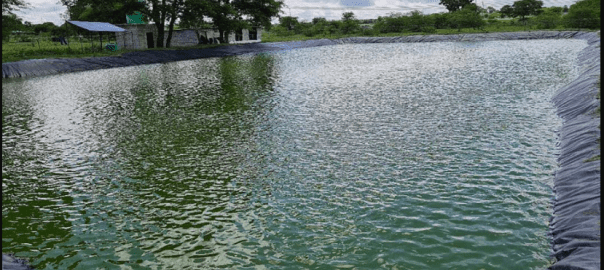
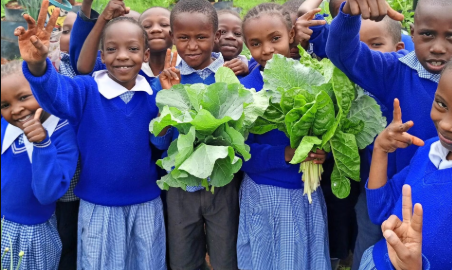
Nutri-Aqua: A Guide to Sustainable Zambian Fish Farming

Dec. 22, 2025 /Mpelembe Media/ — This is an outline of a sustainable, community-focused framework for fish farming in Zambia that prioritises holistic wellness over commercial profit. It advocates for integrated agriculture-aquaculture designs, such as “Smart Ponds” that use nutrient-rich water to irrigate vegetable gardens. To ensure environmental protection, the guide suggests using indigenous species and organic feeds like Black Soldier Fly larvae instead of expensive, imported chemicals. The sources also provide practical toolkits, including community training modules, budget estimates, and risk management plans to foster local resilience. Ultimately, the material serves as a comprehensive manual for building circular food systems that improve nutrition and ecological health. Continue reading

19Nov/25

Regenerative School Meals: Climate Resilience and Global Reach

A new research from Stanford University and The Rockefeller Foundation presented at COP30 focuses on the impact of regenerative school meals and climate-resilient food systems globally. Specifically, the analysis finds that shifting school feeding programs to regeneratively sourced staples could, at the same existing cost, feed approximately eight million more children annually across several regions. The research explains that school meal programmes are a massive social safety net, and by leveraging their procurement power for locally-grown and climate-resilient crops, countries can strengthen local economies and build greater system resilience against climate shocks. This research underscores the significant economic and societal returns of investing in sustainable school meals, highlighting a “triple opportunity” to protect nutrition, support agriculture, and reinforce local food systems. Continue reading

04Jun/24

CEE companies anticipate a rise in insolvencies, Atradius survey finds

Companies surveyed in Central and Eastern Europe (CEE) demonstrate resilience and adaptability in navigating the challenging economic landscape. While 60% expect ongoing economic strain to trigger a rise in insolvencies over the next 12 months, nearly 33% also anticipate facing short-term and long-term challenges shaping the overall business landscape. This explains why 10% more CEE companies than last year are shifting focus to strategic credit risk management to protect their financial health. Continue reading