
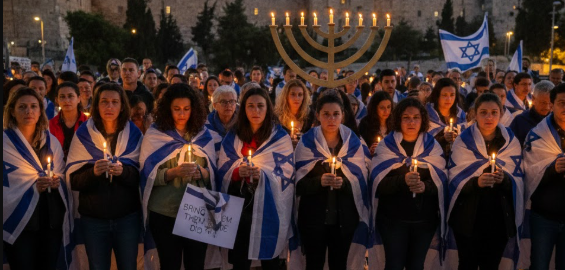
Jan. 26, 2026 /Mpelembe Media/ — The recovery of Ran Gvili’s remains, marks the return of the final captive held in Gaza since the conflict began in 2023. As an elite police officer who was abducted after being wounded during the initial attacks, his retrieval serves as a pivotal milestone for the Israeli public and his grieving family. This significant event effectively concludes the hostage crisis, providing closure to a national ordeal that involved approximately 250 abductees. Beyond the emotional impact, the return of the last body is expected to facilitate the next phase of a regional peace plan. While the military successfully identified Gvili during a targeted operation, the long-term diplomatic future for the territory remains complex and uncertain. The resolution of individual tragedies remains deeply intertwined with the broader geopolitical landscape of the Middle East.
The return of Master Sgt. Ran Gvili’s remains is a critical development that clears the way for the second phase of President Trump’s peace plan. According to the sources, Gvili’s body was the last one held in Gaza; therefore, its recovery signifies that all hostages have now been returned from the Gaza Strip to the State of Israel.
Beyond its specific role in the peace plan, the recovery impacts the broader situation in the following ways:
Progression of the Cease-Fire: The retrieval of the remains paves the way for the next stage of the Gaza cease-fire plan, though the sources note that the specific path forward remains unclear.
Public Milestone: This event marks an important milestone for the Israeli public, effectively closing a “painful chapter” for a nation that has been gripped by the fate of the approximately 250 people abducted during the October 7, 2023, assault.
Conclusion of Hostage Recovery: Because Sergeant Gvili’s body was the final one held in the territory, the Israeli military has been able to officially state that the process of returning all hostages has been completed.
There are very limited specific details regarding the substance of the second phase of the plan. While the recovery of Master Sgt. Ran Gvili’s remains is cited as the event that “clears the way” for this next stage, the sources explicitly state that the “path forward is unclear”.
The known context surrounding this phase includes:
Prerequisite Completion: The commencement of the second phase was dependent on the return of all hostages from the Gaza Strip to Israel. With the retrieval of Sergeant Gvili’s body—the last one held in the territory—this condition has been met.
Plan Framework: The sources refer to the initiative as “President Trump’s peace plan” and characterize it as the next stage of a “Gaza cease-fire plan”.
Timing: The transition to this phase occurs following a two-year war in Gaza that began on October 7, 2023.
Beyond the fact that the second phase follows the “closing [of] a painful chapter” involving the hostage crisis, the sources do not outline specific policy steps, diplomatic requirements, or the intended timeline for the plan’s progression.
While the return of Ran Gvili’s remains “paves the way” for the next stage of the peace plan, they do not explicitly list a set of diplomatic or political obstacles. However, they highlight several contextual challenges and uncertainties that contribute to the “unclear” path forward:
The Length and Intensity of the Conflict: The peace plan is being pursued in the wake of a two-year war in Gaza that began with the October 7, 2023, assault. The duration of this conflict suggests deep-seated hostilities that a cease-fire plan must navigate.
The Involvement of Multiple Militant Groups: The sources note that the initial assault and subsequent abductions involved not only Hamas but also Palestinian Islamic Jihad, an “armed extremist group”. The presence of multiple factions may complicate negotiations and the implementation of a unified peace agreement.
National Trauma and Public Sentiment: The Israeli public has been “gripped” by the fate of the captives for years, a period described as a “painful chapter”. While the return of all hostages—including those who perished in captivity—is a milestone, the emotional and social toll on the nation remains a significant backdrop to any future negotiations.
Ambiguity of the Second Phase: Although the recovery of the remains clears the way for the “second phase of President Trump’s peace plan,” the sources provide no specific details on what this phase entails. This lack of published detail or defined milestones is a primary reason why the “path forward is unclear”.
Officials do not detail the specific geopolitical requirements, the roles of regional intermediaries (such as Egypt or Qatar), or the specific terms of “President Trump’s peace plan.” You may want to independently verify the current diplomatic requirements of this plan to understand the specific policy challenges involved in “Phase 2.”