
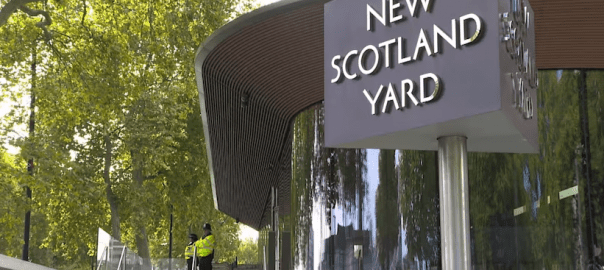
Dec. 29, 2025 /Mpelembe Media/ — The Metropolitan Police is currently facing a legal challenge from the Freemasons regarding a new policy that mandates officers to disclose their membership in the organisation. This directive was introduced by Sir Mark Rowley to address concerns regarding institutional impartiality and historical allegations that such secret ties could foster corruption. In response, the Grand Lodge has applied for a High Court injunction, arguing that the rule constitutes religious discrimination because members must possess a faith to join. The organisation further accuses the police force of legitimising unfounded conspiracy theories and failing to conduct a proper consultation before implementation. Conversely, the Met maintains that the policy is a necessary step to bolster public trust and ensure that personal loyalties do not conflict with official duties. This dispute highlights long-standing tensions surrounding masonic influence within British law enforcement, dating back to investigations such as the Daniel Morgan murder inquiry.
Historical perceptions of Freemasonry as a secretive, hierarchical organisation have significantly influenced modern policing reforms by driving a shift toward mandatory transparency and the disclosure of private associations.
The ways in which these perceptions have shaped current policies include:
Addressing Conflicts of Loyalty: Modern reforms, such as the Metropolitan Police policy introduced in December 2025, are designed to mitigate a perceived conflict of interest. Historically, the masonic credo requires members to “support and protect each other,” which reformists argue creates a “conflict of loyalties” for officers who must remain impartial to the public.
Responding to Historical Corruption Enquiries: Significant policing reforms have been directly influenced by high-profile cases where masonic influence was suspected of subverting justice. Specifically, the official inquiry into the 1987 murder of Daniel Morgan—where masonic ties were linked to the subversion of police investigations—explicitly recommended tighter rules on Freemasons in policing.
Prioritising Public Perception and Impartiality: The impetus for modern reform is often the need to maintain “trust and credibility” in the eyes of the public. Internal surveys within the Met show that two-thirds of officers and staff back restrictions on masonic membership because they believe it “affects public perception of police impartiality”.
Institutional Intelligence on Corruption: Although often difficult to prove to a criminal standard, police forces have held intelligence for years regarding potential corruption linked to personal relationships formed through masonic lodges. This ongoing suspicion has led current leadership, such as Commissioner Sir Mark Rowley, to formalise disclosure requirements to prevent “wrongdoing”.
Counter-Reform and Legal Challenges: The perception of Freemasonry as a “protected characteristic” due to its requirement of religious faith has led to a modern legal backlash. The organisation has sought high court injunctions against transparency policies, claiming they amount to “religious discrimination” and are based on “conspiracy theories”.
The influence of Freemasonry on the structure of the police is further evidenced by the historical existence of specific police lodges, such as the Manor of St James’s for Met officers and Sine Favore, founded by members of the Police Federation. These established networks have historically entrenched the organisation within the force, making modern disclosure policies a controversial yet central part of institutional reform.
Trying to maintain public trust while officers belong to a secret brotherhood is like a referee officiating a match while being a member of one of the teams’ private social clubs; even if the referee is fair, the hidden association creates an unavoidable shadow of doubt over every decision made on the field.
Freemasons claim the Metropolitan Police’s disclosure policy constitutes religious discrimination primarily because having a religious faith is a mandatory requirement for membership in the organisation,.
According to the sources, the organisation’s argument rests on the following points:
Protected Characteristic: Adrian Marsh, the chief executive of the grand lodge, argues that because an individual must have faith to be a Freemason, membership should be considered a “protected characteristic” under human rights law. Legal actions regarding unfairness are noted to have a higher chance of success when they involve such characteristics, which also include race and sexual orientation.
Targeting of Integrity: The organisation asserts that the policy “impugns” the integrity of officers who are members by suggesting their private associations create a conflict of interest. They argue that the Met is “whipping up conspiracy theories” about masonic influence rather than basing the policy on proven wrongdoing,.
Lack of Consultation: The Freemasons claim the policy is “illegal, unfair and prejudicial” because it was brought into “immediate effect” without what they consider an effective or full consultation process.
Legal Basis: They accuse Commissioner Sir Mark Rowley of “making up the law on the hoof” by mandating the disclosure of membership in “hierarchical organisations”.
While the Met defends the policy as a necessary step to address “conflicts of loyalties” and maintain public impartiality, the Freemasons view the requirement as a discriminatory measure that specifically penalises a group defined by their religious conviction,.
To the Freemasons, this policy feels like a workplace rule requiring only those who attend a place of worship to register their attendance with their boss; they see it not as a transparency measure, but as singling out a group based on a fundamental requirement of their faith.
The Metropolitan Police justify their new disclosure policy as a necessary measure to ensure public trust, impartiality, and institutional integrity.
The force’s justification is built on several key arguments found in the sources:
Public Perception of Impartiality: The Met argues that involvement in certain organisations can “call impartiality into question”. This stance is supported by internal data; a survey of Met officers and staff revealed that two-thirds of respondents backed the policy because they believed such memberships affect how the public perceives the force’s neutrality.
Managing Conflicts of Loyalty: Commissioner Sir Mark Rowley introduced the policy specifically to address a “perceived conflict of interest”. The force defines the targeted groups as “hierarchical organisations” that mandate members to “support and protect each other”, arguing that such a requirement can create a “conflict of loyalties” for serving officers.
Combatting Corruption and Wrongdoing: The justification is also tied to the need to prevent “wrongdoing”. The Met has held intelligence for years regarding potential corruption linked to personal relationships formed through Freemasonry. While these links have often been difficult to prove to a criminal standard, the sources note that a current case under investigation involves specific claims of masonic influence and alleged misconduct.
Responding to Historical Inquiries: The policy acts as a response to long-standing concerns about subverted justice. Specifically, the official inquiry into the 1987 murder of Daniel Morgan recommended tighter rules because it found that masonic ties were suspected of being used by officers to subvert police investigations and protect suspects.
Transparency and Credibility: Ultimately, the Met justifies the change as a vital step to maintain “trust and credibility” in the eyes of the public. By requiring officers to declare if they are or have been members of these organisations, the force aims to provide transparency regarding associations that have “dogged policing” with allegations of cover-ups for decades.
The Met views this policy as a “clear glass” approach to policing; just as a financial advisor must declare personal investments to prove they aren’t biased, the force believes officers must disclose private allegiances to ensure their primary loyalty remains to the law and the public.
The Freemasons claim that the Metropolitan Police’s new disclosure policy constitutes religious discrimination primarily because having a religious faith is a mandatory requirement for membership in the organisation.
According to the sources, their argument is built on the following points:
Protected Characteristic: Adrian Marsh, the chief executive of the grand lodge, asserts that because faith is a prerequisite for being a Freemason, membership should be classified as a “protected characteristic” under human rights law. Legal challenges regarding unfairness are often more successful when they involve such characteristics, which also include race and sexual orientation.
Impugning Integrity: The organisation argues that the policy “impugns” the integrity of officers who are members. They contend that by forcing disclosure, the Met is unfairly suggesting that an officer’s private faith-based associations inherently create a conflict of interest or a lack of impartiality.
“Conspiracy Theories”: The Freemasons have accused Commissioner Sir Mark Rowley of “whipping up conspiracy theories” regarding their influence. They argue the policy is not based on proven wrongdoing but on historical myths, and that the Commissioner is effectively “making up the law on the hoof” to target them.
Lack of Proper Consultation: They further claim the policy is “illegal, unfair and prejudicial” because it was implemented with “immediate effect” without what they consider to be an effective or full consultation process.
While the Metropolitan Police justify the move as a way to manage “conflicts of loyalties” and address public perceptions of bias, the Freemasons view it as a discriminatory measure that specifically penalises a group defined by their religious conviction.
To the Freemasons, this policy is like a workplace rule that singles out only those who belong to a specific religious community for extra monitoring; they see it not as a move for transparency, but as targeting a group based on the fundamental tenets of their faith.
The Freemasons are primarily using an emergency injunction and a judicial review as the legal mechanisms to halt the implementation of the Metropolitan Police’s disclosure policy.
The specific steps and legal grounds involved include:
Emergency Injunction: The organisation filed papers in the High Court on Christmas Eve, seeking an immediate order to stop the policy from being enforced. This is intended as a temporary measure to “halt the new policy pending a full hearing”.
Judicial Review: This is the broader legal process being launched to challenge the lawfulness of the Met’s decision. The Freemasons intend to use this review to seek the permanent scrapping of the policy.
Human Rights Law: The legal basis for their challenge rests on human rights law. They argue that the policy amounts to “religious discrimination” because Freemasonry requires members to have a religious faith, which they contend makes membership a “protected characteristic”.
Procedural Unfairness: They also allege the policy is “illegal, unfair and prejudicial” because it was brought into “immediate effect” without an effective or full consultation.
The Metropolitan Police have confirmed they are aware of the judicial review and intend to defend their policy change.
An injunction is like a “court-ordered pause button”; it is designed to stop the clock immediately so that a judge has time to examine the rules of the game (through a judicial review) before any permanent changes are allowed to take effect.
The specific inquiry that recommended tighter rules on Freemasons in policing was the official inquiry into the 1987 murder of the private investigator Daniel Morgan.
This inquiry, which also examined the police corruption that hampered the hunt for Morgan’s killers, highlighted several concerns regarding masonic influence within the investigation:
Subversion of Investigations: The inquiry noted that masonic ties were suspected of being corruptly used either in connection with the murder itself or to subvert the subsequent police investigations.
Specific Conflict of Interest: It highlighted a case where a detective involved in the investigation was a Freemason who later went to work with a prime suspect.
Widespread Involvement: The inquiry found that 10 police officers who were prominent in the Daniel Morgan case were Freemasons.
The recommendation for stricter regulations from this inquiry has been a significant driver for modern reforms, as it provided evidence of how the masonic credo—where members are expected to “support and protect each other”—could potentially lead to the covering up of wrongdoing within the force,.
The Daniel Morgan inquiry acted like a safety inspector’s report on a bridge; it identified specific “structural cracks”—where private allegiances outweighed professional duty—and recommended reinforcing the “foundations” of police transparency to prevent the entire system of justice from collapsing under the weight of secret interests.