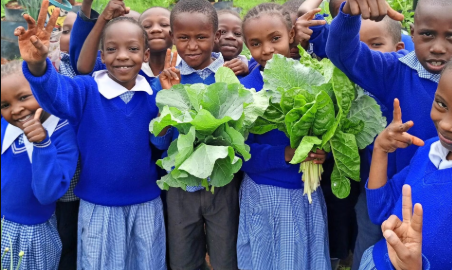
A new research from Stanford University and The Rockefeller Foundation presented at COP30 focuses on the impact of regenerative school meals and climate-resilient food systems globally. Specifically, the analysis finds that shifting school feeding programs to regeneratively sourced staples could, at the same existing cost, feed approximately eight million more children annually across several regions. The research explains that school meal programmes are a massive social safety net, and by leveraging their procurement power for locally-grown and climate-resilient crops, countries can strengthen local economies and build greater system resilience against climate shocks. This research underscores the significant economic and societal returns of investing in sustainable school meals, highlighting a “triple opportunity” to protect nutrition, support agriculture, and reinforce local food systems. Continue reading
19Nov/25