
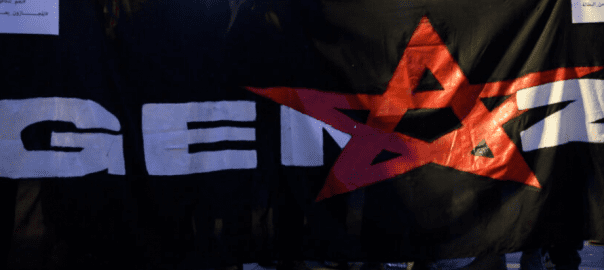
Nov. 17, 2025 /Mpelembe Media/ — There is an unprecedented global surge of Gen Z-led protests across multiple countries. Youth participation in political change is not new, the recent wave of these movements are interconnected and enabled by technology. The key commonalities among these countries experiencing these protests: they generally possess relatively high political rights but suffer from deficits in prosperity metrics such as income, health, or education, coupled with significantly high youth populations. The article concludes by discussing the mixed outcomes of these protests, which have led to full regime change in countries like Nepal and Madagascar. Is it possibie to predict where future youth uprisings might occur based on these shared characteristics?
The current global wave of youth unrest is driven by a combination of unique socio-political, demographic, and economic conditions observed across the countries experiencing these protests.
Common Socio-Political Drivers
Many of the seven countries experiencing these protests share the characteristic of having relatively high levels of political rights combined with expectations of government accountability:
- Relatively High Political Rights: Six of the seven countries analyzed score significantly above their respective regional averages in the political rights component of the Freedom Index. This indicates that these nations generally protect freedom of association, expression, and access to independent information better than their neighbors. This implies that these youth populations possess an understanding of democratic rights.
- High Youth Population: All seven countries analyzed have notably high youth populations. In every case, the median age is lower than the global median, and the proportion of the total population between the ages of fifteen and twenty-four is higher than the global average.
- Grievances and Lack of Accountability: Despite having a relatively high appreciation for political expression, the youth harbor legitimate grievances related to the lack of government service provision. The unrest is characterized by expectations of government accountability and a broad frustration with a lack of government effectiveness and accountability. Specific political issues driving unrest include:
- Protests against corruption (Kenya, Peru).
- Outrage over the misallocation of flood relief funds (Philippines) and high allowances for members of parliament (Indonesia).
- Frustration over government funds being directed toward preparations for the 2030 World Cup rather than public services (Morocco).
- Protests against increased crime (Peru).
- Anger over government bans on social media (Nepal).
- Organizational Power and Connection: This youth movement is characterized by young people who are adept at using technology to organize. They have access to technology that allows them to easily communicate and organize, which has empowered them to incite change in limited, flawed, and unaccountable democracies. Furthermore, the movements are connected and influenced by one another, with protesters in Madagascar taking inspiration from Nepal, which was inspired by Indonesia.
- Confidence in Driving Change: The youth possess a growing confidence in their ability to drive change due to successful youth protests that occurred before them.
The conditions ripe for protests are often defined by an appreciation for high levels of political expression coupled with frustration regarding relative shortfalls in prosperity metrics.
Common Economic Drivers
A significant factor across the countries examined is a relative shortfall in prosperity:
- Below-Average Prosperity: All seven countries perform below the regional average on at least one key metric of prosperity, whether that metric is income, health, or education.
- Income Disparity: There is frustration regarding relative shortfalls in income levels. Specifically, countries like Nepal and Madagascar score lower than their regional averages on income (measured by real GDP per capita adjusted for purchasing power).
- Economic Hardship and Service Failure: The unrest is often triggered by specific economic stressors and failures in government service delivery:
- Protests in Kenya broke out against rising prices and youth unemployment.
- Mass protests in Morocco have occurred over economic conditions.
- Madagascar saw demonstrations sparked by water and electricity failures.
- The region-wide pattern of government collapses in South Asia (including Nepal and Bangladesh) suggests a crisis of governance linked to economic despair.
- Grievances include widespread food poisoning brought about through the government’s school meals program (Indonesia).
In summary, the countries most prone to these demonstrations often fall into the “low freedom” and “low prosperity” categories, yet possess high youth populations and relatively well-protected political rights, alongside poor performance in at least one indicator of prosperity. These factors create a dynamic where a large, organized, and politically aware youth cohort is frustrated by the failure of their governments to deliver necessary services and economic opportunity.