
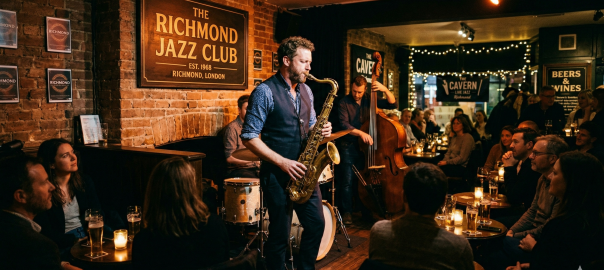
April 9, 2026 /Mpelembe Media/ — Simmi Samma, a jazz artist and lifelong hip-hop enthusiast, has outlined a specific creative vision for his upcoming musical project. This production blueprint draws heavy inspiration from classic nineties boom-bap and the intricate sampling techniques of artists like A Tribe Called Quest. The desired track must blend soulful vocal manipulation, specifically alternating between high-pitched female samples and natural choruses. To accommodate potential collaborators, the composition requires extended instrumental loops of at least eight bars. Ultimately, the artist aims to synthesize his jazz background with the rhythmic sensibilities of his favorite golden-era and contemporary rap influences.
Inside the “Simmi Samma” Blueprint: 5 Secrets to Crafting the Ultimate Jazz-Infused Hip-Hop Track
In the era of hyper-quantized, sterile digital production, the modern producer faces a singular crisis: how to reclaim the “soul” without sounding like a museum piece. Enter the Simmi Samma blueprint. Rooted in the high-school-era nickname of a jazz musician turned production strategist, this approach is a masterclass in nostalgia. It isn’t about merely copying the past; it is about solving the problem of modern “flatness” by injecting the analog grit—the SP-1200 bit-crushed textures and the tape-hiss warmth—of the 90s into today’s high-fidelity landscape.
The “Golden Era” Foundation
To build a jazz-infused track that commands respect, you must first synthesize the DNA of the greats. The Simmi Samma blueprint targets three specific sonic archetypes: the cohesive, multi-producer architecture of Nas’s Illmatic , the laid-back, jazz-inflected cadences of Souls of Mischief’s 93 Till Infinity , and the haunting, atmospheric sample-work of the Fugees’ “Ready or Not.”The strategy here is technical. We aren’t just looking for a “vibe”; we are looking for the interaction between a filtered bassline that sits in the sub-frequencies and a boom-bap kick drum that provides the mid-range “knock.” This trinity of influences provides the necessary friction—a balance of street-level grit and sophisticated jazz theory.
The Power of the Horn and the Jazz Connection
Melodic brass is the bridge between the conservatory and the concrete. The blueprint draws a direct line from the regal, defiant arrangements in Queen Latifah’s “U.N.I.T.Y.” to the current benchmark of excellence: J. Cole’s The Fall Off . Cole’s latest work serves as the modern “North Star,” proving that live instrumentation still reigns supreme in a digital market.”A horn section isn’t just an arrangement choice; it’s an authoritative statement. By blending the organic soul of the early 90s with the crisp, modern engineering of a record like The Fall Off , you create a sonic bridge that feels both timeless and aggressively current.”
The Alchemy of the Drum and Sample Setup
Production is a chemical reaction, and the catalyst is found in the “made” quality of A Tribe Called Quest’s “Keep It Rolling” (1993). As a strategist, one must admire the dry, crisp, and snare-heavy configuration Q-Tip mastered. The secret lies in the alchemy of layering drum breaks: taking the “thump” from one source and the “shimmer” of the high-end hats from another.When you align these layered breaks with a jazz sample, you aren’t just looping; you are managing frequency masking. The goal is to ensure the drum hits and the sample frequencies don’t fight for space, creating a “pocket” so deep that the rhythm feels inevitable rather than programmed.
The “Kanye-esque” Vocal Contrast
To create dynamic movement within a track, the Simmi Samma blueprint utilizes a sophisticated psychoacoustic strategy. This involves the juxtaposition of two distinct vocal profiles:
- The High-Pitch Soul Sample: A manipulated, “pitchy” female voice reminiscent of early Kanye West production. This provides “ear candy”—a nostalgic, ethereal texture that triggers an immediate emotional response.
- The Natural Chorus: A grounded, human-sounding chorus sung in a normal register.This contrast is vital. The high-pitched sample provides the aesthetic “hook,” while the natural vocal provides the necessary human connection. One is the ghost in the machine; the other is the heartbeat.
Engineering for the Emcee: The 8-Bar Pocket
The final secret of the blueprint is the shift from “beatmaker” to “strategic engineer.” You are not just making a song; you are building a sample kit for the rapper. This requires the creation of “pockets”—distinct sections of complete loops designed specifically for lyrical exploration.
- The 8-Bar Rule: Every loop or pocket must be a minimum of 8 bars. This is the strategic “sweet spot” that allows a rapper to establish a flow and build a narrative arc before a variation or transition occurs.
- Modular Variation: Instead of a static four-bar loop that repeats for three minutes, the producer must provide varying “pockets” that the artist can chop, change, or sample within their own performance. You are serving the emcee by providing a dynamic environment, not a repetitive cage.
The Final Thought
The Simmi Samma approach is more than a production style; it is a deliberate synthesis of jazz’s improvisational spirit and hip-hop’s technical evolution. By focusing on 8-bar strategic pockets, brass-heavy arrangements, and the specific alchemy of drum layering, we ensure that the soul of the music remains intact. As we move further into a world of AI-generated loops and sterile MIDI, we must ask: will the “soul sample” remain a digital artifact, or will the next generation of producers follow the Simmi Samma blueprint back to the warmth of live jazz instrumentation?