Tag Archives: Software engineering

The Evolution of Vibe Engineering

Dec. 29, 2025 /Mpelembe Media/ — Artificial intelligence is fundamentally restructuring the software development lifecycle. Software engineering will become the primary application for AI, transitioning from simple code generation to sophisticated vibe engineering driven by natural language. This shift is expected to decrease computer science enrolment and significantly extend the time required to recruit developers as companies prioritise senior staff with AI expertise. Consequently, human roles will shift towards governance and architecture, necessitating a move toward as-code automation for nearly all enterprise development processes. To remain competitive, technology leaders are advised to modernise their hiring practices and integrate agentic development techniques immediately. Continue reading

26Dec/25

Getting Started in DevOps

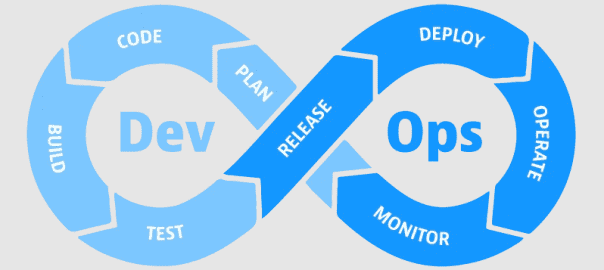
Dec. 25, 2025 /Mpelembe Media/ — This introductory eBook by GitLab serves as a foundational guide for professionals transitioning into DevOps practices. It defines the core philosophy of the movement, highlighting how collaborative cultures and shared responsibility eliminate traditional development silos. The text details essential technical components, such as continuous integration, automated testing, and the “shift left” approach to security. By exploring the nine stages of the software lifecycle, the guide explains how businesses can achieve greater agility and speed. Additionally, it provides a comprehensive directory of educational resources, including podcasts and certifications, to support career growth. Ultimately, the source illustrates how a unified platform resolves practical engineering challenges and improves software delivery. Continue reading

20Dec/22

Kahlúa Achieves Coffee Supply Chain Transparency – 100% of Its Coffee Now Sourced Through “Coffee for Good” Project

Kahlúa, the world’s leading coffee liqueur brand, has reached a significant milestone in its ambition to gain transparency and traceability in its supply chain. To achieve this, the brand has mapped all steps of its supply chain to identify any potential risk areas. Today, 100% of its key ingredient, Arabica coffee, has full traceability and is solely sourced from the remote Mexican farming communities participating in its ‘Coffee for Good’ initiative, launched in 2016. Continue reading