
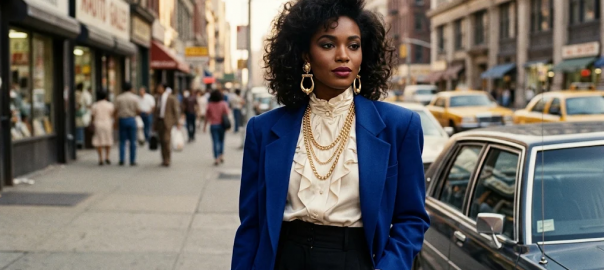
Pure Class vs. Modern Anxiety: The Enduring Allure of 1920s Elegance
Tue, Nov 17 2026 /Mpelembe Media/ — While modern commentators frequently romanticize the 1920s as a pinnacle of effortless class and poise, cultural historians note that both decades actually share intense periods of post-crisis dislocation, rapid technological modernization, and a deep psychological urge toward escapism through fashion and entertainment.
Here are Key themes observed:
- Trauma-driven escapism and expressive dress: Historians featured in The Zoe Report and the Fashion Institute of Technology observe that periods following widespread crises—such as the 1918 influenza pandemic and COVID-19—consistently spark dramatic bursts of expressive, celebratory, and boundary-pushing fashion.
- Nostalgia versus complex reality: A Smithsonian Magazine analysis points out that the “Roaring Twenties” was far from uniform glamour; rather, it was marked by immense social friction, uneven recovery, and political polarization, making modern nostalgia for that era a selective remembering of its aesthetic highlights.
- Mass media and spectacle culture: Commentary from Kopernik Global Investors notes that just as radio and tabloids amplified viral sensations and speculative fever in the 1920s, digital platforms and social media drive the rapid trend cycles and heightened anxiety observed in the 2020s.
From 1920s Class to 2020s Anxiety: 3 Impactful Takeaways on Modern Nostalgia and the Evolution of Style
There is a quiet, pervasive ritual in modern life: sitting in the glow of a smartphone, wrapped in mass-produced loungewear, and staring longingly at silver-screen footage from a century ago. We scroll past our tumultuous newsfeeds and fixate on crisp wool lapels, hand-stitched silk cloche hats, and an effortless poise that seems completely extinct in our chaotic present. It is a romantic impulse as old as humanity itself—the belief that the past possessed a dignity that our own era has squandered.
This cultural tension recently played out in a viral exchange on X, sparked by digital archivist and self-described “nostalgia monster” JJ (@ThatOtherJJ). A self-proclaimed “time traveller” who “dreams in neon” while posting vintage photographs online, JJ ignited a surprisingly deep conversation about century-long aesthetic shifts, modern stress, and the stories we tell ourselves about the passing of time.
Examining this social media moment reveals three distinct insights into how historical nostalgia, sartorial evolution, and modern anxiety intersect today.
Takeaway 1: Nostalgia Acts as an Antidote to Contemporary Anxiety
The impulse to look back is rarely just about clothes; it is about seeking psychological shelter from the present storm. In his viral post, JJ distilled a century of history into a striking contrast:
“I love this! The 1920s is pure class. 2020 gave me anxiety.” — JJ (@ThatOtherJJ)
Why does an era defined by a century-old calendar feel so comforting? The answer lies in the selective curation of history. When modern observers look at the 1920s, they see immaculate tailoring, silent film glamour, and structural elegance. What the mind glosses over are the severe realities of that decade—the lingering trauma of the First World War, economic instability, and the aftermath of the 1918 influenza pandemic.
Instead, the vintage aesthetic serves as a psychological shield. By romanticizing the polished surfaces of the 1920s, modern digital citizens create a sanctuary from the relentless, hyper-visible chaos of the 2020s. Elegant historical images offer a sense of order, quiet mastery, and visual harmony that contemporary life, with its constant notifications and existential headlines, rarely provides.
Takeaway 2: The Narrative of Modern Aesthetic Decline
As the conversation expanded, participants shifted from personal comfort to broader cultural critique, arguing that the quality of both fashion and life itself has systematically eroded over the last hundred years. Commenter Iain Sankey (@IainSankey) articulated this perspective:
“All the 20th century clothes look quite elegant in their own way, particularly the 20s, 30s and 50s. It’s been downhill all the way this century, as with most other aspects of life.” — Iain Sankey (@IainSankey)
Sankey’s reflection taps into a pervasive cultural cynicism: the narrative of aesthetic decline. By singling out the 1920s, 1930s, and 1950s, he highlights eras defined by deliberate craftsmanship, tailored silhouettes, and high-quality textiles. In contrast, the 21st century is often viewed through the lens of cheap fast-fashion, disposable synthetic fabrics, and a shift toward ultimate casualness.
This sartorial degradation is frequently treated as a metaphor for a larger societal decay. When people claim fashion has gone “downhill,” they are often expressing a sense that attention to detail, pride in public presentation, and shared standards of grace have dissolved alongside the physical durability of our wardrobes.
Takeaway 3: The Rapid Pivot to Future Uncertainty
Digital discourse rarely remains suspended in gentle nostalgia for long. On modern social platforms, sweet reflections on the past almost invariably decay into anxieties about the future. Following the nostalgic appreciation of mid-century elegance, commenter Lucem Viator (@LucemViator) abruptly shifted the timeline forward, grimly predicting a aesthetic shift toward “2030 muslim garb.”
This rapid evolution demonstrates the mechanics of modern digital spaces. In a matter of replies, an innocent exchange about 1920s tailoring transformed into futuristic doomposting and culture-war anxiety. It highlights how quickly public commentary weaponizes historical comparisons to project xenophobic or demographic fears into the coming decades. Nostalgia in the digital age is rarely just about admiring yesterday; it frequently functions as a battleground for modern anxieties about demographic change, identity, and an uncertain tomorrow.
The Persistent Illusion of the Past
The online dialogue surrounding century-long style shifts captures an ongoing tension between 20th-century romanticism and 21st-century reality. While curated historical aesthetics offer an undeniable sense of beauty and escape from contemporary burnout, they also reveal our deep dissatisfaction with the present and our anxiety regarding what lies ahead.
Has modern style truly declined over the past century, or does nostalgia simply blind us to the realities of the past while amplifying the chaos of the present?