
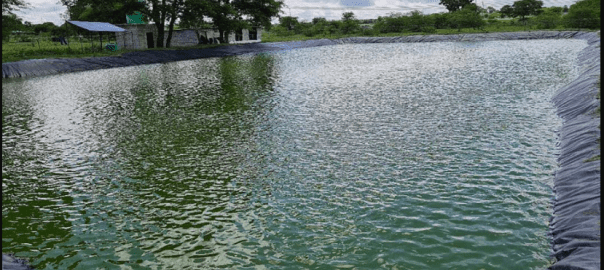
Dec. 22, 2025 /Mpelembe Media/ — This is an outline of a sustainable, community-focused framework for fish farming in Zambia that prioritises holistic wellness over commercial profit. It advocates for integrated agriculture-aquaculture designs, such as “Smart Ponds” that use nutrient-rich water to irrigate vegetable gardens. To ensure environmental protection, the guide suggests using indigenous species and organic feeds like Black Soldier Fly larvae instead of expensive, imported chemicals. The sources also provide practical toolkits, including community training modules, budget estimates, and risk management plans to foster local resilience. Ultimately, the material serves as a comprehensive manual for building circular food systems that improve nutrition and ecological health.
Integrated aquaculture designs prioritise community nutritional wellness over commercial profit margins by shifting from intensive, high-input models toward Integrated Agriculture-Aquaculture (IAA), a system that treats the fish pond as a “battery” for a holistic food ecosystem.
To achieve this, these designs focus on the following key strategies:
Prioritising Nutrient Density over Biomass
Commercial operations typically focus on the weight (biomass) of the fish for sale, but social-impact designs prioritise nutrient density. This is accomplished by:
Promoting Small Indigenous Species (SIS): Instead of focusing only on large Tilapia, these projects encourage species that can be eaten whole. Consuming the heads and bones provides essential calcium, zinc, and Vitamin A, which are vital for reducing stunting in children.
Organic Feed Systems: Using Black Soldier Fly (BSF) larvae and local mixes (like maize bran and sunflower cake) ensures fish are high in Omega-3 fatty acids and free from the growth hormones or antibiotics often found in intensive commercial pellets.
The “Circular Loop” Resource Management
In these designs, “waste” is treated as a valuable resource to boost community food security.
Liquid Gold: Nutrient-rich pond water is used as an organic fertiliser for community vegetable gardens rather than being discarded. This nitrogen-rich water can double the yield of crops like cabbage and rape.
Vegetated Dykes: Pond banks are planted with nutrient-dense crops like Amaranth, Pumpkin leaves, or Moringa. These plants benefit from the pond’s moisture while providing an immediate source of vitamins for the community.
Community-Centred Distribution Models
To ensure health benefits reach the most vulnerable, the “sell-all” commercial approach is replaced with fair-share models:
Staggered Harvesting: Instead of one large harvest for market sale, communities are encouraged to harvest fish gradually to provide a constant, reliable source of protein for children.
The “First Harvest” Basket: A percentage of the most nutrient-dense fish is set aside specifically for pregnant women and households with children under five.
Nutritional Education: Projects include workshops on producing fish powder or nutrient broth from the whole fish, ensuring no part of the animal’s nutritional value is wasted.
Resilience-Based Infrastructure
While commercial farms may prioritise ease of harvest with shallow ponds, social-impact designs use deeper earthen ponds (1.5m to 2m). This depth provides climate resilience against droughts and heatwaves, keeping fish cooler and reducing the stress and disease that often necessitate chemical interventions in profit-driven systems.
Analogy: While a commercial fish farm operates like a high-output factory designed for a single product, an integrated community pond functions like a living village garden; it is a central hub where the water, soil, and livestock work in harmony to ensure that every member of the community, especially the most vulnerable, has a seat at the table.
In the Zambian environment, deeper earthen ponds—specifically those measuring 1.5m to 2m at the deep end—are recommended over shallow commercial designs to ensure climate resilience and biological stability.
The sources highlight several critical reasons for this recommendation:
Drought Resistance: Given Zambia’s recent history of droughts, deeper ponds are essential because they retain water for longer periods and are more resistant to evaporation during dry spells.
Temperature Regulation: During the hot October season or intense heatwaves, the surface water can reach temperatures that stress the fish. A deeper pond allows fish to migrate to the bottom where the water remains significantly cooler.
Disease Prevention: By keeping the fish cooler and less stressed, deeper ponds naturally reduce the incidence of disease. In the Zambian context, most fish diseases are exacerbated by the stress of overcrowding and overheating.
Habitat Security: Depth provides a natural “refuge” or “sanctuary.” In a social-impact design, this structural resilience ensures the pond remains a reliable “battery” for the community’s food system even when external environmental conditions are harsh.
While commercial operations often prefer shallow ponds to make harvesting easier and faster, the sources suggest that for a community-focused project in Zambia, the long-term survival of the stock during climate fluctuations is more important than the ease of the final harvest.
Analogy: A deep pond acts much like a house with a cool basement during a scorching summer; while the roof and upper floors may bake in the sun, the inhabitants have a safe, tempered space to retreat to until the heat passes.
Black Soldier Fly (BSF) larvae are considered a “game-changer” for organic fish farming in Zambia because they provide a sustainable, high-protein alternative to expensive commercial feeds.
The benefits of using BSF larvae include:
High Nutritional Value
BSF larvae are composed of approximately 40% protein, making them an excellent replacement for traditional fish meal. Fish raised on these larvae tend to be more nutrient-dense and higher in Omega-3 fatty acids compared to those raised on cheap, soy-based commercial pellets. Furthermore, because BSF is a natural food source, the resulting fish are free from the growth hormones or antibiotics sometimes found in intensive commercial operations.
Significant Cost Reduction
In Zambian aquaculture, commercial feed is often the largest recurring expense, with prices reaching over K 900 per bag in 2025. By producing BSF larvae locally, farmers can reduce their farming input costs by roughly 40%. This independence from expensive, imported supply chains is vital for the long-term sustainability of community-led projects.
“Zero-Waste” Circular Economy
BSF larvae are a key component of a circular food system. They can be grown on kitchen waste, market scraps, or manure, effectively turning organic “waste” into high-quality protein. This process creates a “Health Loop” where farm by-products are recycled to strengthen the soil, the fish, and the community.
Ease of Management and Safety
Self-Harvesting: BSF larvae have a natural “self-harvesting” instinct; when they are ready to pupate, they will crawl out of their feeding area into a collection container via a simple ramp, reducing the labour required for farmers.
Disease Prevention: Unlike common houseflies, Black Soldier Flies do not carry diseases, making them a safe biological tool for produce destined for human consumption.
Environmental Protection: Using BSF larvae allows farmers to stick to land-based earthen ponds rather than open-lake cages, which prevents uneaten commercial feed from rotting on lake floors and causing environmental damage.
Community and Educational Value
The BSF “Love Hotel” (the breeding structure) serves as a powerful educational tool. It demonstrates to the community and school children how biological principles can turn “maggots” into valuable fish food, inspiring a new generation of eco-farmers.
Analogy: Using Black Soldier Fly larvae is like having a biological factory that takes the community’s leftover “trash” and instantly converts it into “gold” (high-quality protein), ensuring the farm stays profitable and the community stays healthy without needing to buy outside supplies.
The “Smart Pond” design, characterized by an improved earthen pond measuring 1.5m to 2m at the deep end, provides several critical benefits tailored specifically for the Zambian environment and social-impact goals.,
The primary advantages of this specific depth design include:
Climate Resilience and Drought Resistance: Unlike shallow commercial ponds, deeper ponds retain water for longer periods. This is vital given Zambia’s recent droughts, as it ensures the pond does not dry out as quickly during periods of low rainfall.,,
Temperature Regulation: During the “hot October season” or intense heatwaves, surface water can become dangerously warm. A deeper pond allows fish to migrate to the bottom where the water remains cooler, providing a thermal refuge.,
Disease and Stress Reduction: By keeping the water temperature stable and cool, the design reduces stress on the fish. Since most fish diseases in the Zambian context are caused by the stress of overcrowding and overheating, this depth acts as a natural preventative measure.,
Biological Stability: The depth allows for a more stable ecosystem, which is essential for “social-impact” projects that prioritise long-term community wellness over the quick, easy harvests favoured by commercial operations.
Habitat Refuge: Depth provides a natural sanctuary or “sanctuary” where fish can retreat from surface-level disturbances or predators.,
While commercial fisheries often prefer shallow ponds to make netting and harvesting faster, the “Smart Pond” design prioritises the survival and health of the stock across fluctuating seasons.
Analogy: You can think of a deep earthen pond as a well-insulated home with a cool basement; even when the “roof” (the surface water) is baking in the Zambian sun, the residents (the fish) have a safe, tempered space to retreat to until the weather improves.
The “ball test” is a practical, low-cost method used to verify if soil has a high enough clay content to hold water without leaking. This test is a critical part of the initial site selection process for building an earthen “Smart Pond”.
The procedure and results are as follows:
The Process: A community member takes a handful of moist soil and squeezes it firmly into a ball. The ball is then thrown into the air and caught.
Verification of Suitability: If the ball stays together upon being caught, the soil is deemed perfect for pond construction because its high clay content will prevent water from seeping out.
Indication of Failure: If the ball crumbles or falls apart, the soil is unsuitable, indicating that a pond built in that location would likely leak.
This test ensures that the pond can function as a reliable “battery” for the community’s food system, maintaining the water levels necessary for fish survival and vegetable irrigation during the dry season.
Analogy: Testing soil with the ball test is much like working with modelling clay versus dry sand; just as only the clay can be shaped into a bowl that holds water, only soil that passes the ball test can be trusted to act as a waterproof container for your fish.
The full guide is available for download here