
Tag Archives: Airtel

08Sep/26

African Payment Pitfalls and $25,000 Tax Traps

The Three Pillars of African Payments

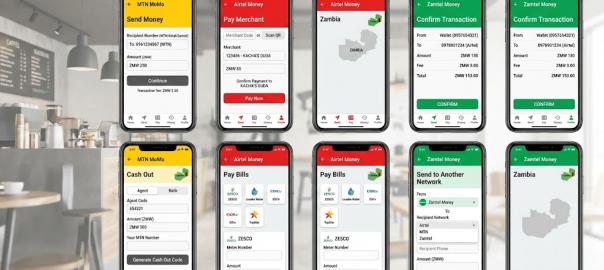
Tue Sep 08 2026 /Mpelembe Media/ — For a student entering the world of fintech, the African payment landscape can initially seem overwhelming. Unlike Western markets where credit cards are the standard, the African ecosystem is built on a “Hybrid Imperative.” In markets like Zambia, global tools like Stripe are often used for international billing, but they lack localized settlement and struggle with poor conversion rates due to bank-side fraud rules. To reach the actual local consumer, businesses must tap into the infrastructure that people already use: mobile money.The ecosystem is supported by three primary players:

  1. Mobile Network Operators (MNOs):  The foundational infrastructure providers that issue digital wallets and manage the movement of local currency.
  2. Payment Gateways:  Intermediaries that bridge the gap between global standards and local methods across multiple countries.
  3. Payment Aggregators:  Specialized “simplifiers” that bundle multiple mobile money connections into a single, developer-friendly interface.Learning Insight: The “So What?”  While credit and debit cards are the global gold standard for SaaS, they represent only a minor fraction of transactional volume in many African nations. In the retail ecosystem of Southern Africa, mobile money is the dominant force. Understanding how to connect to these networks is the key to unlocking the market.While these three pillars work together, the journey starts at the foundational “source”: the MNOs.

Continue reading →

29Jul/26

How Shoprite Became Africa’s Operating System

The Digital Integration and Social Evolution of African Retail: An Analysis of Mobile Wallet Adoption and Community Impact

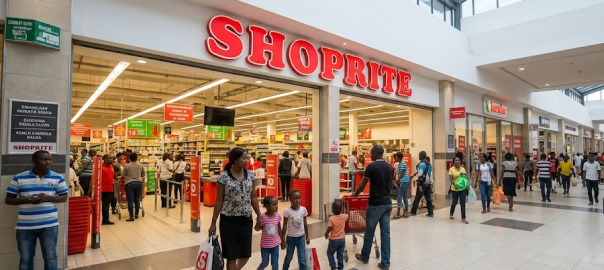
Wed, July 29 2026 /Mpelembe Media/ — The landscape of retail in Africa is undergoing a profound transformation, characterized by the rapid digitization of payment ecosystems and a deep, institutional commitment to social impact. Driven by high mobile penetration and the need for inclusive financial services, retailers are rethinking traditional commercial infrastructures to better serve unbanked populations. A leading example of this dual evolution is observed in Zambia, where Shoprite Holdings has seamlessly integrated mobile wallet payments into its point-of-sale systems while simultaneously expanding its extensive community resilience programs. Continue reading →

08Mar/26

Starlink Direct-to-Cell: Global Deployment and Performance Analysis

Your Smartphone’s Next Roaming Partner is 350 Miles Up: 5 Surprising Realities of Starlink’s “Cell Towers in Space”

March 8, 2026 /Mpelembe Media/ — The provided sources examine the emergence and rapid expansion of Direct-to-Cell (D2C) technology, specifically focusing on Starlink’s efforts to provide Supplemental Coverage from Space (SCS). Research highlights that these satellite-based networks allow unmodified 4G LTE smartphones to connect directly to orbiting satellites, effectively eliminating terrestrial dead zones in remote areas like national parks. While initial commercial services in the United States and New Zealand focused on text messaging and emergency alerts, the technology is evolving to support voice, high-speed data, and IoT applications. Significant milestones include Airtel Africa and MTN Zambia partnering with SpaceX to launch services across the African continent, successfully piloting the first satellite-based fintech transactions. Despite technical hurdles like lower signal power and Doppler shifts, regulatory bodies worldwide are modernizing frameworks to accommodate this hybrid orbital-terrestrial model. Ultimately, these sources position D2C as a transformative tool for global digital inclusion, promising near-universal connectivity without the need for traditional ground infrastructure.

How does Starlink’s direct-to-cell technology work with unmodified smartphones?
What are the expected data speeds for satellite-to-mobile services?
How is this technology being used for emergency response and fintech?

Continue reading →