
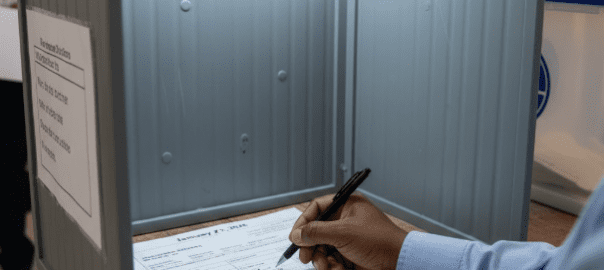
Jan. 25, 2026 /Mpelembe Media/ — The year 2026 represents a critical juncture for African democracy as numerous nations across the continent prepare for high-stakes elections. While countries like Zambia and Benin face tests of institutional integrity and leadership transitions, others such as Uganda and Ethiopia continue to struggle with political suppression and internal conflict. Long-standing leaders in the Republic of the Congo and Djibouti maintain their grip on power, whereas nations like Libya and South Sudan face deep uncertainty regarding their ability to hold votes at all. These upcoming polls occur against a backdrop of regional instability and varying levels of public trust in the electoral process. Ultimately, the collective results of these contests will determine if the continent is moving toward a systemic democratic shift or further entrenched authoritarianism. Through this comprehensive calendar, the source highlights the diverse political challenges and socioeconomic factors shaping the future of African governance.
Across several African nations scheduled to hold elections in 2026, democratic stability is being challenged by a combination of entrenched incumbency, political repression, regional conflict, and institutional weaknesses.
The calendar includes the following countries and anticipated dates:
Elections with Specific Dates
Uganda: A general election was held on January 15, 2026.
Republic of the Congo: A presidential election is scheduled for March 22.
Benin: Following local and parliamentary elections in January, a presidential election is set for April 12.
Ethiopia: A general election is scheduled for June 1.
Zambia: A general election will take place on August 13.
Gambia: A presidential election is scheduled for December 5.
Elections with Confirmed Months (Exact Dates Unconfirmed)
Democratic Republic of Congo: Presidential elections are expected in March,.
Djibouti: A presidential poll is scheduled for April.
Libya: A general election is planned for April, though experts consider it “very unlikely” to occur due to the legacy of civil war.
Somalia: A presidential election is scheduled for June.
Morocco: Parliamentary elections are expected to take place in September.
South Sudan: A general election is planned for December.
Other Scheduled Elections (Dates/Months Unconfirmed)
Cabo Verde and São Tomé and Príncipe: Both island nations are due to go to the polls in 2026.
Somaliland: The autonomous region is scheduled to hold parliamentary and municipal elections during the year.
While these dates are planned, the sources note that in several countries, such as South Sudan and Libya, significant obstacles remain that could impact the likelihood of these votes proceeding as scheduled.
The following key factors are identified in the sources as significant threats to democratic stability:
Political Repression and Lack of Inclusion
In several countries, the democratic process is undermined by the suppression of opposition voices and restrictive legal frameworks.
Uganda: The 2026 cycle began with a “tense” general election where President Yoweri Museveni secured a seventh term amid widespread repression. International observers and human rights groups criticized the environment, which included the house arrest of opposition leader Bobi Wine.
Benin: Once considered a regional democratic model, Benin now faces concerns over restrictive electoral reforms and a lack of political inclusion.
Ethiopia: Ahead of its June general election, observers have criticized the use of exclusionary tactics, vote rigging, and political repression.
Entrenched Power and Institutional Independence
The long-term hold on power by specific leaders and the perceived lack of independence in state institutions remain persistent concerns.
Republic of the Congo: Politics continue to be dominated by President Denis Sassou Nguesso, who has held office for most of the period since 1979. To “maintain public order,” the military is permitted to vote five days early, a practice that has drawn scrutiny in previous cycles.
Zambia: While its electoral integrity is viewed as relatively strong, critics argue that President Hakainde Hichilema is attempting to bolster his electoral prospects by introducing a law that significantly expands the number of parliamentary seats from 167 to 280.
Conflict and Regional Instability
Ongoing violence and the threat of new wars create environments where holding fair or timely elections is difficult.
Ethiopia: The country is grappling with significant internal instability and post-conflict recovery efforts. Furthermore, there are growing fears of a reignited conflict with neighboring Eritrea.
Libya and South Sudan: Years of civil war make it “very unlikely” that Libya will successfully hold its planned April polls, while South Sudan continues to face obstacles ahead of its scheduled December vote.
West Africa: Benin’s upcoming election is unfolding against a backdrop of multiple coups that have recently shaken the West African region.
Economic Pressures and Governance
In some democracies, stability is tied directly to the government’s ability to provide for its citizens. In Zambia, for example, the stability of the democratic transition depends heavily on public perception of governance, service delivery, and youth employment amid significant economic pressures.
The expansion of Zambia’s parliamentary seats from 167 to 280 is a central point of contention in the lead-up to the August 2026 general election, with potential impacts on both the demographic representation of the legislature and the political prospects of the incumbent president.
According to the sources, the impact of this expansion includes:
Bolstering the Incumbent’s Prospects: Critics of President Hakainde Hichilema argue that the introduction of the law to expand the seats is a strategic move intended to bolster his electoral prospects as he seeks a second term.
Shifting Demographic Representation: The new law includes specific allocations for women, youth candidates, and persons with disabilities. While this could lead to a more diverse parliament, it is also viewed through a political lens by those who believe it is designed to secure support from these specific voting blocs.
Influencing Public Perception of Governance: Although Zambia’s electoral integrity is generally considered “relatively strong,” Hichilema’s success depends heavily on public perception of his governance. The expansion of parliament occurs alongside significant economic pressures, concerns over youth employment, and service delivery; therefore, the success of this institutional change may be judged by voters as part of his broader record on governance.
Navigating a Fragmented Opposition: The expansion comes at a time when the opposition is fragmented. By increasing the number of seats and focusing on underrepresented groups, the move may further complicate the ability of a divided opposition to challenge the ruling party’s legislative dominance.
The fragmented state of the opposition in Zambia provides a political opening for President Hakainde Hichilema, yet the sources indicate that this division alone does not guarantee his victory. Instead, his re-election chances are tied to several intersecting factors:
Shift in Focus to Governance: Despite the opposition’s lack of unity, the sources emphasize that Hichilema’s path to a second term will depend largely on public perceptions of governance. This suggests that even if the opposition is divided, the incumbent remains vulnerable to voter dissatisfaction regarding service delivery and economic performance,.
Strategic Institutional Changes: To navigate the landscape of shifting political alliances and a fragmented opposition, Hichilema is accused by critics of using legislative maneuvers to consolidate power,. Specifically, the proposal to expand parliamentary seats from 167 to 280 is viewed as a strategy to “bolster his electoral prospects” by creating new opportunities to secure support through targeted allocations for women, youth, and persons with disabilities.
The Weight of Economic Pressures: The sources suggest that the opposition’s fragmentation may be secondary to the “test” of Hichilema’s incumbency: the economy. Issues such as youth employment and the government’s response to “crippling” national challenges—like the recent drought mentioned in the sources—are expected to be the primary drivers of voter intent, potentially outweighing the tactical advantage of a divided opposition,.
Ultimately, while a fragmented opposition theoretically reduces the likelihood of a single, strong challenger, Hichilema’s success rests on his ability to convince the electorate of his governance record while simultaneously restructuring the legislative framework to his advantage.
In Zambia, the “crippling” drought acts as a critical test of President Hakainde Hichilema’s incumbency, as it directly impacts the core factors that will determine his re-election success: economic performance and service delivery.
The sources highlight several ways the drought influences public perception of his governance:
Pressure on Economic Performance: Hichilema’s re-election chances in August 2026 are tied heavily to Zambia’s economic health. Because the drought is described as “crippling,” it likely exacerbates existing economic pressures, making it more difficult for the administration to meet public expectations regarding stability and growth.
A Test of Service Delivery: Public perception of Hichilema’s governance is driven by the government’s ability to provide essential services. A severe drought typically strains water and power supplies; therefore, the administration’s effectiveness in managing these resource shortages is a primary metric by which voters will judge his governance record.
Opportunities for Innovation: Interestingly, the sources suggest the drought has created a specific “chance for solar power to shine”. How the Hichilema government leverages this crisis to implement long-term infrastructure solutions, such as renewable energy, may shift public perception from viewing the drought as a failure of service delivery to an opportunity for modernizing the nation’s energy sector.
Impact on the Youth Vote: With youth employment being a significant factor in voter intentions, any economic contraction caused by the drought could negatively impact Hichilema’s standing with younger voters unless his governance can mitigate these effects.
Ultimately, while the opposition remains fragmented, the drought ensures Hichilema’s second-term prospects will depend less on his political rivals and more on the public’s perception of his competence in handling this national crisis.
Solar power infrastructure improvements could bolster President Hakainde Hichilema’s re-election campaign by directly addressing the voter priorities of service delivery and economic performance.
The following factors explain how these improvements could influence the 2026 election:
Addressing the Energy Crisis: Zambia is currently facing a “crippling drought” that serves as a significant test of Hichilema’s incumbency. This environmental crisis has created a specific “chance for solar power to shine” as an alternative energy solution. Successful implementation would demonstrate the government’s ability to provide essential services despite national challenges.
Improving Public Perception of Governance: The sources state that Hichilema’s chances for a second term depend “largely on public perceptions of governance”. By modernizing the energy sector through solar infrastructure, the administration can build a record of proactive leadership and effective crisis management.
Stimulating the Economy and Employment: Voter intentions are expected to hinge on economic performance and youth employment. Infrastructure projects, such as large-scale solar installations, can create jobs and provide the stable energy supply necessary to ease economic pressures, thereby appealing to the youth demographic.
Mitigating Incumbency Risks: Since Hichilema’s re-election is being tested by shifting political alliances and a fragmented but critical opposition, delivering tangible results in service delivery (like reliable electricity) is a key strategy to maintain his electoral prospects.
By transforming the drought from a purely negative economic pressure into an opportunity for infrastructure modernization, Hichilema can provide a concrete example of governance success to present to the electorate in August 2026.
Solar power addresses Zambia’s service delivery challenges by acting as a critical alternative energy solution during periods of environmental crisis. According to the sources, its role is defined by the following factors:
Mitigating the Impact of Drought: Zambia is currently facing a “crippling drought” that has severely tested the country’s infrastructure. The sources indicate that this drought has specifically created a “chance for solar power to shine” as a means to maintain or restore essential services that may be failing due to water shortages.
Improving Public Perception of Governance: In the lead-up to the August 2026 general election, President Hakainde Hichilema’s re-election chances depend heavily on “public perceptions of governance”. Because service delivery is a primary metric by which voters judge his performance, implementing solar power to address energy or water shortfalls is a direct way to demonstrate effective governance.
Meeting Voter Intentions: The sources state that voter intentions in the upcoming election will depend on economic performance and service delivery. By utilizing solar infrastructure to stabilize the national power grid or provide energy to rural areas, the government can address these specific voter concerns, particularly as the country faces economic pressures.
Infrastructure Modernization: As noted in our conversation history, the drought has forced a shift toward renewable energy. Successfully deploying solar power allows the government to modernize the energy sector, potentially easing the long-term service delivery issues that have been exacerbated by traditional, climate-dependent power sources.
In summary, solar power serves as a strategic tool to bridge the service delivery gap created by the drought, thereby helping the administration meet the electorate’s demands for reliable utility services.
While the experts do not explicitly mention rural service delivery, they emphasize the critical role of solar power in addressing Zambia’s broader service delivery challenges during a period of national crisis.
Solar energy plays the following roles in the context of national service and governance:
Mitigating Environmental Crises: Zambia is currently experiencing a “crippling drought” that has tested the government’s ability to provide consistent services. This drought has created a specific “chance for solar power to shine” as an alternative and more resilient energy source.
Influencing Voter Intentions: The sources state that service delivery is one of the primary factors—alongside economic performance and youth employment—that will determine voter intentions in the August 2026 general election. By utilizing solar energy to improve service reliability, the government aims to meet these voter expectations.
Defining Governance Success: President Hakainde Hichilema’s re-election prospects depend “largely on public perceptions of governance”. Successfully deploying solar energy to solve utility gaps caused by the drought serves as a tangible demonstration of effective governance and infrastructure management.
Strategic Opportunity for the Incumbent: As noted in our conversation history, the deployment of solar infrastructure allows the administration to address economic pressures while modernizing the energy sector, which is essential for maintaining stability in a competitive political environment.
Note: This focus on the national impact of solar power and its relationship to the 2026 election cycle; it does not provide specific details on its implementation in rural versus urban settings. You may want to independently verify how these solar initiatives are specifically being distributed to rural communities.
While the focus is on service delivery as a broad pillar of voter scrutiny, it specifically links this scrutiny to the government’s ability to manage national crises and provide for the population’s economic needs.
Based on the sources, the specific areas under voter scrutiny include:
Energy and Electricity: Due to a “crippling drought,” the reliability of the national power grid is a major concern. This has elevated the importance of solar power as a critical service delivery area that could determine public perceptions of governance.
Youth Employment: The sources explicitly state that voter intentions in Zambia will depend on youth employment. This is a key metric by which the success of President Hichilema’s administration is being judged, especially as he faces “economic pressures”.
Economic Performance: Beyond specific utilities, the broader category of economic performance is cited as a primary factor influencing voters. This includes how the government manages the economy to provide a stable environment for its citizens.
Post-Conflict Recovery and Federal Governance (Ethiopia): While the conversation has focused on Zambia, the sources note that in Ethiopia, voter scrutiny is directed toward post-conflict recovery efforts and debates over federal governance following years of instability.
Public Order and Security (Republic of the Congo): In the Republic of the Congo, the government prioritizes the maintenance of public order as a key service, to the extent that the military is permitted to vote early to ensure security on polling day.
This does not provide an exhaustive list of other specific services like healthcare or education, focusing instead on how the drought and economic performance act as the primary tests of Hichilema’s incumbency regarding service delivery.
Ultimately, the 2026 vote will determine whether Hichilema’s efforts to modernize the energy sector and restructure the legislature are sufficient to overcome the significant economic and environmental pressures currently facing the Zambian electorate.