Tag Archives: Benin

24Aug/26

Why joblessness and diamonds fuel civil war

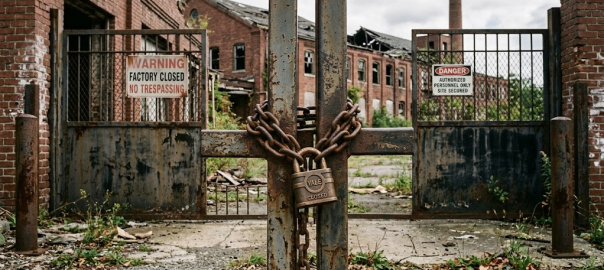
The Dual Private Sector Dilemma: Why IMF Market-Led Growth Models Fail to Create Jobs in Fragmented African Economies

Mon, Aug 24 2026 /Mpelembe Media/ — The economic relationship between sub-Saharan Africa and the International Monetary Fund (IMF) has its roots in the 1944 Bretton Woods Conference, where the few developing nations present failed to secure explicit references to their development financing needs in the Articles of Agreement. From its inception, the IMF maintained a rigid, short-term balance-of-payments focus, famously denying Ethiopia’s first request for financial assistance on the grounds that its needs were neither immediate nor temporary. By the 1980s and 1990s, this short-term framework was formalized into neoliberal Structural Adjustment Programs (SAPs), which mandated strict conditionalities such as market deregulation, extensive privatization of state-owned enterprises, and rapid trade opening. Although promoted as pathways to long-term macroeconomic stability, these interventions frequently triggered severe adverse social consequences, including declining real wages, heightened poverty, and the systematic deterioration of basic health and social welfare systems. In response to widespread critique in the late 1990s, the IMF purported to shift its operational model, replacing traditional SAPs with the Enhanced Structural Adjustment Facility (ESAF) and, subsequently, various credit facilities under the Poverty Reduction and Growth Trust (PRGT). However, empirical evidence indicates that these contemporary programs represent “SAPs in disguise,” with loan conditionalities and stringency steadily rising, and core prescriptions of fiscal consolidation and state retrenchment remaining largely unchanged. Continue reading

03Aug/26

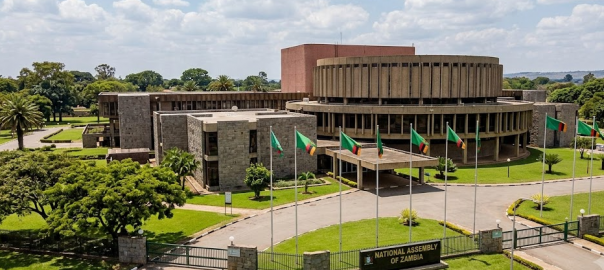
Zambia’s Debt Miracle and Democratic Backsliding

For Zambian voters, the 2026 election represents a critical choice balancing long-term macroeconomic recovery against immediate, severe household pressures. While President Hakainde Hichilema’s administration successfully restructured the nation’s default-era debt and introduced popular programs like universal free education, ordinary citizens are heavily squeezed by a high cost of living, rising food costs, and inflation exacerbated by a historic drought. A primary concern voters should watch out for is the post-election handling of the country’s structural electricity crisis. To avoid grueling 20-hour blackouts during the campaign cycle, the state utility ZESCO has relied on costly emergency regional power imports. Because this spending is fiscally unsustainable, voters face the high risk of a post-election fiscal correction, which will likely involve steep, inflation-inducing retail tariff hikes or a return to severe load-shedding. Furthermore, due to widespread grassroots dissatisfaction with local representation, there is a strong potential for split-ticket voting, meaning voters may back the incumbent president while actively rejecting sitting members of parliament and local councilors. Continue reading

25Jan/26

A Democratic Sea Change: Africa’s 2026 Election Calendar

Jan. 25, 2026 /Mpelembe Media/ — The year 2026 represents a critical juncture for African democracy as numerous nations across the continent prepare for high-stakes elections. While countries like Zambia and Benin face tests of institutional integrity and leadership transitions, others such as Uganda and Ethiopia continue to struggle with political suppression and internal conflict. Long-standing leaders in the Republic of the Congo and Djibouti maintain their grip on power, whereas nations like Libya and South Sudan face deep uncertainty regarding their ability to hold votes at all. These upcoming polls occur against a backdrop of regional instability and varying levels of public trust in the electoral process. Ultimately, the collective results of these contests will determine if the continent is moving toward a systemic democratic shift or further entrenched authoritarianism. Through this comprehensive calendar, the source highlights the diverse political challenges and socioeconomic factors shaping the future of African governance. Continue reading

22Dec/25

2025 Africa Cup of Nations

Dec. 22, 2025 /Mpelembe Media/ — The 2025 Africa Cup of Nations, a premier football tournament hosted by Morocco will span from 21 December 2025 to 18 January 2026, the competition features 24 national teams divided into six distinct groups. The document lists specific match dates, kick-off times, and various stadium locations across the country, starting with the opening group stages and concluding with the final in Rabat.
Continue reading