Tag Archives: un global

21Oct/26

A Strategic Guide to Diaspora Investment, Incentives, and Land Acquisition in Zambia

Bridging Homeland and Diaspora: Civic Engagement, Traditional Gastronomy, and Travel Formalities for Zambians in the UK

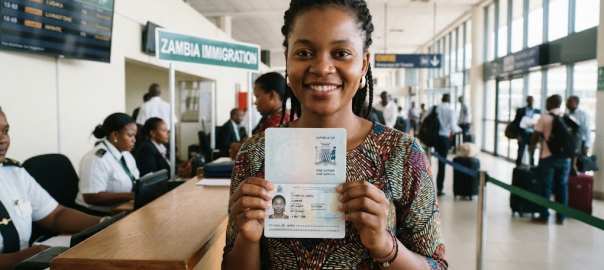
Wed Oct. 21, 2026 /Mpelembe Media/ — The transnational migration corridor connecting Zambia’s Copperbelt region to suburban centers across Greater London reflects a vital flow of skilled professionals, students, and families who maintain deep socio-economic, civic, and cultural ties. To support local community integration in the United Kingdom while driving social and economic development in Zambia, an extensive organizational ecosystem operates across multiple tiers. Grassroots groups like the London Association of Zambians (LazUK) deliver civic networking and localized peer support, while commercial promotion platforms such as UK Zambian Events Ltd host business expos and cultural festivals to celebrate heritage and facilitate cross-border trade. On a broader national scale, registered charities including the Zambia Society Trust (ZST) and the Scotland Zambia Partnership (SCOZAP) coordinate grassroots development—funding healthcare delivery at St Francis Mission Hospital, nurse sponsorships, community schooling through Kwasha Mukwenu, and poverty alleviation projects. Institutional engagement is anchored by the Ministry of Foreign Affairs and International Cooperation through its dedicated Diaspora Web Portal, which officially recognizes overseas citizens as the nation’s “Eleventh Province” and encourages active involvement in domestic land acquisition, agriculture, and climate resilience. Furthermore, international advocacy organizations like the Organization of Zambians Abroad (OZA) and professional bodies like the British Association of Social Workers (BASW) Diaspora Special Interest Group provide constitutional advocacy, trade joint ventures, and structured induction standards for overseas-qualified social workers and professionals. Continue reading →
03Aug/26

Zambia’s Debt Miracle and Democratic Backsliding

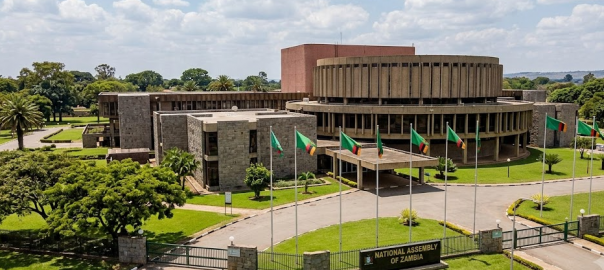
For Zambian voters, the 2026 election represents a critical choice balancing long-term macroeconomic recovery against immediate, severe household pressures. While President Hakainde Hichilema’s administration successfully restructured the nation’s default-era debt and introduced popular programs like universal free education, ordinary citizens are heavily squeezed by a high cost of living, rising food costs, and inflation exacerbated by a historic drought. A primary concern voters should watch out for is the post-election handling of the country’s structural electricity crisis. To avoid grueling 20-hour blackouts during the campaign cycle, the state utility ZESCO has relied on costly emergency regional power imports. Because this spending is fiscally unsustainable, voters face the high risk of a post-election fiscal correction, which will likely involve steep, inflation-inducing retail tariff hikes or a return to severe load-shedding. Furthermore, due to widespread grassroots dissatisfaction with local representation, there is a strong potential for split-ticket voting, meaning voters may back the incumbent president while actively rejecting sitting members of parliament and local councilors. Continue reading →

03Aug/26

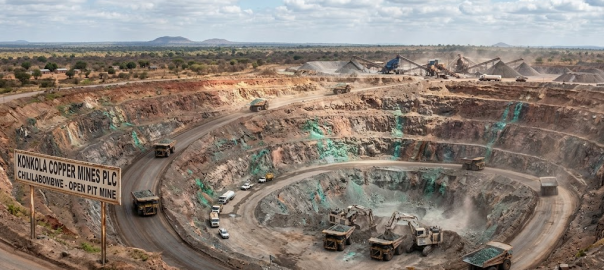
How Copper Debt Poisoned Zambian Democracy

From Reform to Repression: Zambia’s Authoritarian Turn Under the Shadow of Digital Neo-Colonialism

Mon, Aug 01 2026 /Mpelembe Media/ — The abrupt cancellation of RightsCon 2026 in Lusaka, Zambia, just days before its scheduled opening in May 2026, has exposed the profound intersection of foreign coercion and domestic democratic erosion. Although the Zambian government officially claimed the postponement was to ensure alignment with “national values,” organizers and independent reports revealed that the cancellation was directly triggered by immense pressure from the Chinese Communist Party. Chinese diplomats essentially leveraged their vast economic investments in the country to demand the exclusion of Taiwanese civil society delegates and the moderation of panels critical of Beijing’s digital authoritarianism. Because the conference was slated to be held in a facility donated by the Chinese government, and coincided with negotiations over critical development grants, the Zambian state capitulated to these extraterritorial censorship demands. Continue reading →