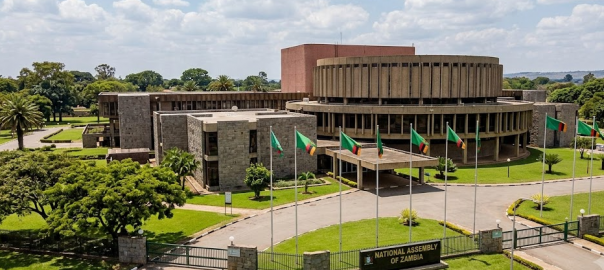
For Zambian voters, the 2026 election represents a critical choice balancing long-term macroeconomic recovery against immediate, severe household pressures. While President Hakainde Hichilema’s administration successfully restructured the nation’s default-era debt and introduced popular programs like universal free education, ordinary citizens are heavily squeezed by a high cost of living, rising food costs, and inflation exacerbated by a historic drought. A primary concern voters should watch out for is the post-election handling of the country’s structural electricity crisis. To avoid grueling 20-hour blackouts during the campaign cycle, the state utility ZESCO has relied on costly emergency regional power imports. Because this spending is fiscally unsustainable, voters face the high risk of a post-election fiscal correction, which will likely involve steep, inflation-inducing retail tariff hikes or a return to severe load-shedding. Furthermore, due to widespread grassroots dissatisfaction with local representation, there is a strong potential for split-ticket voting, meaning voters may back the incumbent president while actively rejecting sitting members of parliament and local councilors. Continue reading
Tag Archives: Congo
How Colonialism Built the HIV Pandemic
The Perfect Storm: How Urbanization and Colonial Medicine Ignited the Global AIDS Crisis
Sun, Aug 02 2026 /Mpelembe Media/ — The human immunodeficiency virus (HIV) originated as a zoonotic infection when the simian immunodeficiency virus (SIV) crossed from wild primates into humans. Scientists trace the pandemic strain, HIV-1 Group M, to chimpanzees in southeastern Cameroon, likely crossing the species barrier between 1890 and the early twentieth century through the “cut hunter” transmission route, where individuals were exposed to infected primate blood while butchering bushmeat. Following this initial crossover, the virus traveled along river systems to Léopoldville, now Kinshasa, in the Democratic Republic of the Congo. Continue reading
Why we hunt monsters and failed startups
The Anatomy of Monomania: Why We Soul-Settle and Suffer for Our “White Whales”
Mon, July 27 2026 /Mpelembe Media/ — This analysis explores the intersection of biography, media criticism, and the material culture of corporate failure. One primary text provides an in-depth review of Walter Isaacson’s biography of Albert Einstein, focusing on the physicist’s unique creative process and the tragic history of his son’s mental illness. Another review critiques the unconventional documentary Zodiac Killer Project, which examines the formulaic nature of the true-crime genre through the lens of a failed film production. Complementing these are accounts of bird watching as a psychological pursuit and a discussion among collectors of “fucked company” swag. This latter community values authentic artifacts from collapsed or fraudulent entities like Theranos and Enron as tangible reminders of human hubris and historical mismanagement. Together, these sources highlight how society documents and remembers extraordinary lives, notorious crimes, and industrial catastrophes. Continue reading
Why Ebola Borders Must Stay Open
The 2026 Bundibugyo Ebolavirus Epidemic and Research Landscape
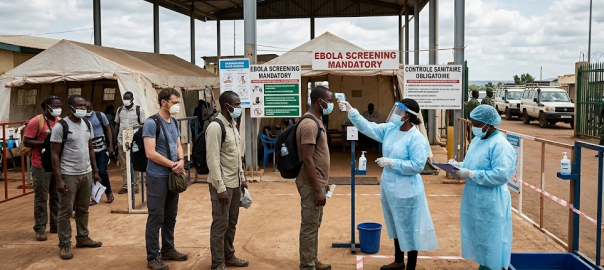
Thur, May 21 2026 /Mpelembe Media/ — The 2026 Global Health Emergency In May 2026, the World Health Organization (WHO) declared the outbreak of the Orthoebolavirus bundibugyoense (Bundibugyo virus) in the Democratic Republic of the Congo (DRC) and Uganda a Public Health Emergency of International Concern (PHEIC). The epidemic, which originated in the Ituri Province of the DRC and expanded into Kampala, Uganda, has exposed significant vulnerabilities in international disease surveillance and containment. The rapid spread of the virus has been exacerbated by a combination of cross-border dynamics, high-traffic mining operations, and regional humanitarian crises. Continue reading
A Democratic Sea Change: Africa’s 2026 Election Calendar
Jan. 25, 2026 /Mpelembe Media/ — The year 2026 represents a critical juncture for African democracy as numerous nations across the continent prepare for high-stakes elections. While countries like Zambia and Benin face tests of institutional integrity and leadership transitions, others such as Uganda and Ethiopia continue to struggle with political suppression and internal conflict. Long-standing leaders in the Republic of the Congo and Djibouti maintain their grip on power, whereas nations like Libya and South Sudan face deep uncertainty regarding their ability to hold votes at all. These upcoming polls occur against a backdrop of regional instability and varying levels of public trust in the electoral process. Ultimately, the collective results of these contests will determine if the continent is moving toward a systemic democratic shift or further entrenched authoritarianism. Through this comprehensive calendar, the source highlights the diverse political challenges and socioeconomic factors shaping the future of African governance. Continue reading
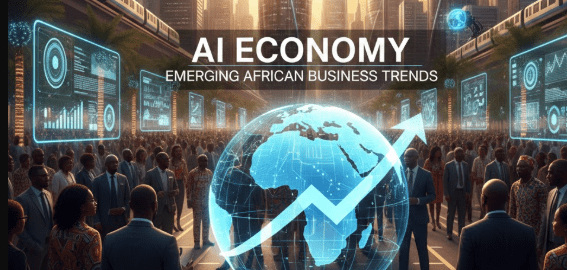
The AI Economy and Emerging African Business Trends
Jan. 1, 2026 /Mpelembe Media/ — China’s strategic framework for international cooperation is based on the four pillars of the Global Development, Security, Civilization, and Governance initiatives. These programs are presented as a comprehensive Chinese solution to modern crises, aiming to reform the global governance system while promoting a shared future for humanity. By focusing on a people-centered approach, the initiatives prioritize addressing poverty, resolving conflicts through dialogue, and respecting the diversity of cultures. The sources emphasize that these efforts particularly support the Global South by advocating for sovereign equality and a move away from unilateral hegemony. Ultimately, the text argues that these public goods provide a pragmatic roadmap for achieving lasting peace and universal prosperity through multilateral action. Continue reading
2025 Africa Cup of Nations
Dec. 22, 2025 /Mpelembe Media/ — The 2025 Africa Cup of Nations, a premier football tournament hosted by Morocco will span from 21 December 2025 to 18 January 2026, the competition features 24 national teams divided into six distinct groups. The document lists specific match dates, kick-off times, and various stadium locations across the country, starting with the opening group stages and concluding with the final in Rabat.
Continue reading
Global Peace Index: Fragmentation and Conflict Escalation
Nov. 18, 2025 /Mpelembe Media/ — The report offers an extensive analysis of the current state of global peace, highlighting a deterioration in peacefulness for the sixth consecutive year, driven primarily by increases in Ongoing Conflict and Militarisation. It details rising geopolitical fragmentation, an increase in the number of internationalised conflicts, and a major jump in global military spending to a record $2.7 trillion in 2024. The report also examines the economic impact of violence, noting it reached $19.97 trillion and that developing countries are heavily burdened by debt, often spending more on servicing it than on public services, leading to increased domestic conflict risk in regions like Sub-Saharan Africa and the Middle East. Finally, the analysis identifies nine key factors that escalate conflict intensity and uses case studies—such as the Tigray War and the Kashmir conflict—to illustrate the risks of future large-scale violence. Continue reading
Zambia and Gambia explained
Jan. 16, 2024 /Human Interest/ — Zambia and Gambia, despite their similar-sounding names, are quite different countries in Southern and West Africa, respectively. Here’s a breakdown of their key differences: Continue reading
Beyond the Minerals: Uncovering the Vibrant Tapestry of DR Congo and Zambia
Sept. 15, 2023 /Economy/ — While the Democratic Republic of Congo (DRC) and Zambia are indeed known for their mineral wealth, particularly copper and cobalt, their identities extend far beyond these resources. Let’s dive deeper into the rich tapestry of these fascinating African nations: Continue reading