Tag Archives: Kampala

21May/26

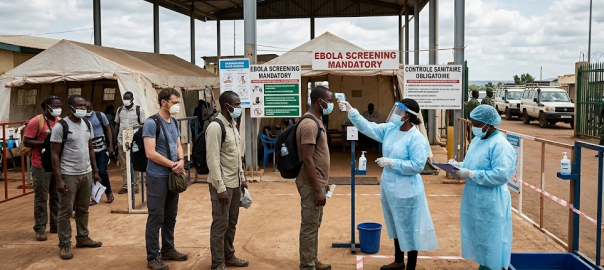
Why Ebola Borders Must Stay Open

The 2026 Bundibugyo Ebolavirus Epidemic and Research Landscape

Thur, May 21 2026 /Mpelembe Media/ — The 2026 Global Health Emergency In May 2026, the World Health Organization (WHO) declared the outbreak of the Orthoebolavirus bundibugyoense (Bundibugyo virus) in the Democratic Republic of the Congo (DRC) and Uganda a Public Health Emergency of International Concern (PHEIC). The epidemic, which originated in the Ituri Province of the DRC and expanded into Kampala, Uganda, has exposed significant vulnerabilities in international disease surveillance and containment. The rapid spread of the virus has been exacerbated by a combination of cross-border dynamics, high-traffic mining operations, and regional humanitarian crises. Continue reading
06Oct/23

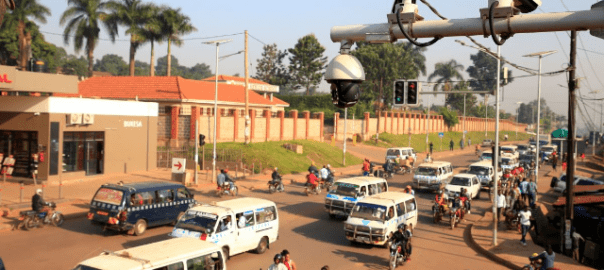
Exporting surveillance to Africa

By Kim Harrisberg | South Africa correspondent

Privacy experts are calling for citizens to be protected from growing surveillance in Africa, following a new report by the Institute of Development Studies (IDS) and the African Digital Rights Network (ADRN).

Their report, “Mapping the supply of surveillance technologies to Africa” focuses on Nigeria, Ghana, Morocco, Malawi and Zambia importing surveillance tech from countries including the U.S., Britain, China, Israel as well as the EU amounting to more than $1bn every year. Continue reading

27Mar/23

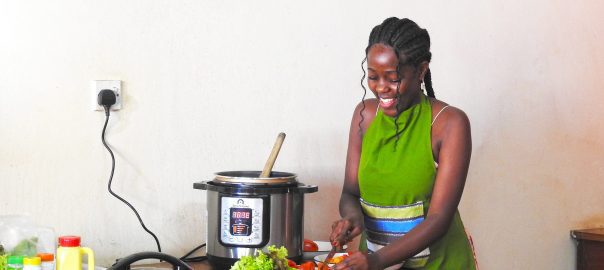
UpEnergy issues world’s first carbon credits linked to electric clean cooking devices deployed in sub-Saharan Africa

UpEnergy, a leading social enterprise based in Kampala, Uganda, announced it has issued the world’s first ever carbon credits linked to emissions savings from the use of electric clean cooking devices. The emissions reductions were created in a new UpEnergy-led project aimed at replacing traditional, biomass burning stoves with an innovative electric stove created by climate tech startup PowerUP. The PowerUP electric pressure cooker (EPC) is designed for low-income households in several countries across sub-Saharan Africa. The credits, which are verified by The Gold Standard, represent the opportunity for African consumers with access to electricity to abandon the toxic burning of unsustainable, wood-based fuels and breathe cleaner air with healthier, zero-emissions electric cooking. Continue reading