
Bridging Homeland and Diaspora: Civic Engagement, Traditional Gastronomy, and Travel Formalities for Zambians in the UK
Wed Oct. 21, 2026 /Mpelembe Media/ — The transnational migration corridor connecting Zambia’s Copperbelt region to suburban centers across Greater London reflects a vital flow of skilled professionals, students, and families who maintain deep socio-economic, civic, and cultural ties. To support local community integration in the United Kingdom while driving social and economic development in Zambia, an extensive organizational ecosystem operates across multiple tiers. Grassroots groups like the London Association of Zambians (LazUK) deliver civic networking and localized peer support, while commercial promotion platforms such as UK Zambian Events Ltd host business expos and cultural festivals to celebrate heritage and facilitate cross-border trade. On a broader national scale, registered charities including the Zambia Society Trust (ZST) and the Scotland Zambia Partnership (SCOZAP) coordinate grassroots development—funding healthcare delivery at St Francis Mission Hospital, nurse sponsorships, community schooling through Kwasha Mukwenu, and poverty alleviation projects. Institutional engagement is anchored by the Ministry of Foreign Affairs and International Cooperation through its dedicated Diaspora Web Portal, which officially recognizes overseas citizens as the nation’s “Eleventh Province” and encourages active involvement in domestic land acquisition, agriculture, and climate resilience. Furthermore, international advocacy organizations like the Organization of Zambians Abroad (OZA) and professional bodies like the British Association of Social Workers (BASW) Diaspora Special Interest Group provide constitutional advocacy, trade joint ventures, and structured induction standards for overseas-qualified social workers and professionals.
Cultural preservation within the diaspora is deeply centered on sustaining traditional culinary practices, anchored by the national staple nshima—a thick maize meal porridge served alongside indigenous relishes, dried fish (kapenta), and fresh greens. Sourcing authentic ingredients across the UK relies on a specialized dual-tier supply network that bridges digital Zambian vendors, e-commerce grocers, and physical Southern African butcheries. E-commerce platforms like UK Zambian Food source products directly from Zambian farmers using vacuum cold-chain packaging to ship fresh and preserved traditional delicacies nationwide, including chibwabwa (pumpkin leaves), lumanda, chikanda (African polony), katapa (cassava leaves), kalembula (sweet potato leaves), and Kariba bream. Broader staple provisions—such as multi-kilogram bags of white maize meal (including Iwisa brand), white puna yam, and dried spices—are distributed across major UK cities by online grocers including Ofoodi UK, Crown Food Store, 4way Foods, and The Ethnic Store. In addition, physical butcheries and specialized shops along transit corridors in South West London, such as Snoggy’s in Putney and Wimbledon, Tara’s Biltong in Earlsfield, and the South African Shop in Central London, complement this inventory by offering grass-fed beef biltong, droëwors, custom boerewors sausages, braai cuts, and coarse mealie meal.
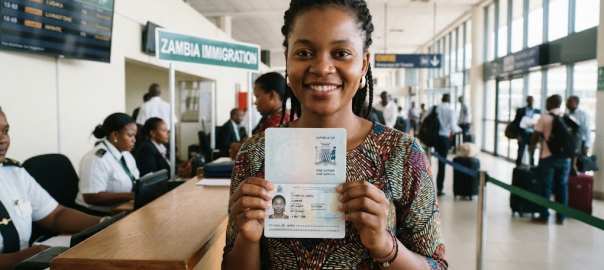
Navigating administrative, legal, and travel requirements between the two jurisdictions involves adherence to established consular protocols and aviation networks. Official consular services in the United Kingdom are managed by the Zambian High Commission at Zambia House in Kensington, London, which oversees passport renewals, civil registration, and Travel Documents of Identity (TDI) for direct emergency travel back to Zambia. Under current entry regulations, British passport holders enjoy visa-free entry into Zambia for up to 90 days for tourism or 30 days for business within a 12-month period, provided their passport holds at least 6 months of remaining validity from arrival and contains a minimum of 2 blank pages. While Zambia legally recognizes dual nationality, border protocols dictate that dual citizens clear Zambian immigration using their Zambian travel documents and re-enter the UK on their British passports. Air connectivity between London and the Copperbelt relies on long-haul transit hubs, as direct flights to Simon Mwansa Kapwepwe International Airport (NLA) in Ndola do not currently operate from Europe. Travelers commonly utilize single-ticket itineraries with Ethiopian Airlines via Addis Ababa—with Flight ET829 flying directly from Addis Ababa to Ndola—or transit through Johannesburg’s O.R. Tambo International Airport before connecting to Lusaka or Ndola via regional carriers such as Airlink, South African Airways, Zambia Airways, and Proflight Zambia. Intra-Zambian transit is anchored by domestic carriers like Proflight Zambia, which operates up to five daily 45-minute flights between Lusaka (LUN) and Ndola (NLA), alongside extensive domestic routes to provincial hubs.
Beyond Borders: 4 Surprising Ways the Zambian and African Diaspora is Shaping Culture, Cuisine, and Connectivity in the UK
Stepping out into the damp, overcast chill of a British winter morning, members of the Zambian and broader African diaspora often carry with them a vivid sensory contrast—the golden October warmth of Lusaka, the earthy aroma of rain hitting dry soil, or the fragrant smoke of a weekend family braai . Living thousands of miles from home presents a unique dual reality: the daily demand to integrate into British civic life balanced against an enduring commitment to preserve one’s heritage and roots.
How do diaspora communities maintain cultural identity, stay connected across thousands of miles, and build thriving ecosystems in the UK? The answer lies far beyond passive nostalgia. It is found in the deliberate construction of active trans-local corridors, economic pathways, and civic institutions.
Through community-led registered charities, specialized world-food e-commerce networks, and strategic air transport links, the diasporic infrastructure bridging the United Kingdom with Southern and Central Africa is stronger, more organized, and more dynamic than ever before.
1. From Informal Gatherings to Strategic Impact: The Evolution of SCOZAP
The trajectory of the Scotland Zambia Partnership (SCOZAP) illustrates how grassroots micro-geographies of community resilience can evolve into recognized, structural policy actors. Founded in 2004 as the informal Scotland Zambia Association (SCOZAA), the group initially functioned as a modest social safety net. Its primary goal was to bring together Zambians and friends of Zambia across Scotland to combat social isolation and foster mutual support. Over the years, this informal gathering grew into a vibrant network exceeding 500 members.
A defining strategic shift occurred in 2017 following a comprehensive community consultation aimed at evaluating the population’s needs and long-term trajectory. The consultation revealed overwhelming consensus: the diaspora required a formal, recognized institution to expand its impact in both host and home countries. Consequently, in October 2017, the organization formally registered as a Scottish charity (SCO47771) under its current name, the Scotland Zambia Partnership.
Today, SCOZAP operates through structured objectives that extend well beyond social gatherings:
- Community Integration : Encouraging active civic participation to eliminate social exclusion among diaspora members.
- Cultural Exchange : Facilitating open-minded environments that build intercultural understanding and appreciation across Scottish society.
- Health and Wellbeing : Organizing sports and recreational initiatives designed to engage previously isolated individuals.
- Sustainable Development : Partnering with Scottish and international institutions to eradicate poverty and advance sustainable development in Zambia, aligning its core mission with the UN Global Goals.
“The main aim of SCOZAP is to reduce social inequalities and improve people’s life chances in Scotland and Zambia.”
This institutional transition from SCOZAA to SCOZAP marks a significant evolution in diaspora governance. By formalizing their structure, diaspora communities transition from informal, reactive social networks into proactive transnational institutions. They become capable of driving structured development, forming international civil partnerships, and advocating for policy alignment across borders.
2. Tastes of Home Delivered Nationwide: The Rise of World Food Infrastructure
Foodways serve as vital cultural anchors within diasporic life. However, preserving traditional culinary practices in a foreign country historically required living near physical ethnic markets in major metropolitan centers. Today, specialized digital grocery supermarkets such as 4way Foods and Crown Food Store have transformed this dynamic, building sophisticated e-commerce supply chains that deliver authentic African staples directly to doorsteps nationwide.
These digital fulfillment networks connect major urban centers and regional hubs across the UK, including:
- London
- Manchester
- Birmingham
- Leeds
- Cardiff
- Nottingham
- Sheffield
- Essex
- Kent
By securing direct supply chains for specialized ingredients, these platforms stock essential staples required for authentic regional cooking:
- Iwisa Maize Meal : The essential white cornmeal milled for preparing Zimbabwean Sadza or South African Pap .
- Golden Penny Semovita : A refined wheat semolina flour widely used to make a smooth, elastic “swallow” dough for rich West African soups and stews.
- Nigerian Puna Yams : Fresh white yams ( Dioscorea rotundata ) prized for their dense, starchy texture in boiled, fried, or pounded yam dishes.
- Gari : A versatile, processed cassava staple fundamental to West African diets.
- Egusi : High-protein melon seeds essential for classic traditional soup preparations.
- Suya Spice : A distinct, aromatic spice blend formulated for authentic grilled meats.
- Teff Flour : The ancient, nutrient-dense grain flour essential for fermenting traditional flatbreads like injera .
The growth of nationwide digital grocery logistics enables the re-territorialization of traditional foodways. Families residing outside primary metropolitan hubs—whether in suburban towns or provincial regions—no longer face geographic isolation from their culinary roots. This logistics network allows younger generations born in the UK to experience authentic traditional tastes without reliance on compromised local substitutes.
3. The Linguistic and Culinary Heritage Behind Diaspora Delicacies
Culinary traditions often carry deep spatial memory, linguistic history, and cultural identity. Within Southern African diaspora communities across the UK, few foods hold as much symbolic and social weight as Boerewors , a classic sausage that acts as a living cultural artifact.
- Linguistic Etymology : Rooted in Afrikaans, the word combines “Boere” (farmers) and “Wors” (sausage), translating literally to “farmer’s sausage.”
- Key Ingredient Profile : Coarsely ground meat (beef or mixed meats) blended with a precise, traditional seasoning blend of coriander, black pepper, cloves, nutmeg, vinegar, and salt.
- Traditional Preparation & Serving : Traditionally coiled into a continuous spiral and cooked slowly over an open flame on a braai (grill/BBQ). It is classically served alongside pap (maize porridge) and chakalaka (a spicy vegetable relish), or garnished with grilled onions and tomatoes.
- Modern Serving Variations : Adapted into UK street food and casual dining contexts, served hot in a bakery roll, paired with chips (fries), or incorporated into modern BBQ platters.
The preservation of this specific spice profile and its agricultural name highlights how food retains cultural continuity. When diaspora families gather in UK gardens or community halls to light a braai and grill Boerewors, the experience transcends mere dining—it serves as a sensory bridge to home, reinforcing shared heritage and community ties across generations.
4. 50 Minutes to Home: The Essential Flight Networks Connecting London, Ndola, and Lusaka
Physical transport infrastructure remains the ultimate lifeline sustaining cross-border mobility, trade, and familial ties between the UK and Southern Africa. Travel networks connect major global gateways like London Heathrow (LHR) directly to Zambia’s regional hubs via international carriers such as Ethiopian Airlines. Upon arrival in Zambia, passengers transition into essential domestic feeder routes managed by regional carriers like Proflight Zambia, connecting the national capital to industrial centers.
Logistics & Operational Data Point,Specification / Value
Average Direct Flight Time (Ndola to Lusaka),50 minutes (45–50 mins)
Weekly Flight Frequency (Ndola to Lusaka),55 flights per week
Most Punctual Carrier,Proflight Zambia (85.0% on-time performance)
Warmest Month in Lusaka,October (18ºC to 34ºC)
The direct connection between Ndola (NLA)—the commercial and industrial heart of the mineral-rich Copperbelt province—and Lusaka (LUN), the national political and financial capital, represents a crucial economic corridor. Operating 55 direct flights per week with an average flight time of just 50 minutes, domestic carriers provide reliable, predictable transit. With Proflight Zambia delivering an 85.0% on-time performance rate, dual-residence entrepreneurs, cross-border investors, and visiting families can move efficiently between industrial project sites in the Copperbelt and government or commercial offices in Lusaka before returning to the UK.
Conclusion
The vibrant bridge connecting the United Kingdom to Zambia and the broader African continent rests on three interconnected pillars: formal community institutions like SCOZAP that drive civil development, digital world-food supply chains that preserve culinary heritage, and robust air transport networks that maintain physical connectivity between key economic hubs. Together, these structural elements transform dispersed diaspora populations into organized, transnational networks capable of sustaining cultural identity while driving economic growth. How will these evolving diaspora networks continue to reshape the global movement of ideas, culture, and capital in the years ahead?