
Invisible Prisons: Escaping High-Control Groups, Stalking, and Mental Abuse
April 9, 2026 /Mpelembe Media/ — Distinguishing loneliness from objective social isolation. This analysis highlights that you can experience profound loneliness even when surrounded by people. This often happens in environments like busy cities due to “stimulus overload,” where a constant barrage of noise and interactions causes people to emotionally withdraw to protect themselves. To combat this hollow feeling, humans rely on “shared reality”—the perception of having common feelings, beliefs, or attitudes with others about the world. Establishing a shared reality with even just one person helps reduce uncertainty and fosters a genuine sense of connection and meaning, which acts as a powerful buffer against the pain of loneliness.
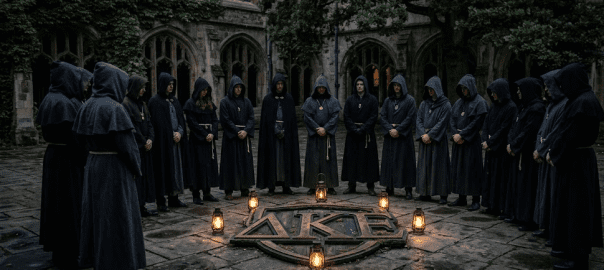
Religious Trauma and Cult Recovery Expanding on the first steps to safely leave a cult, the sources reveal the deep psychological impact of high-control groups. These organizations enforce compliance through “cult programming,” which utilizes fear, guilt, isolation, and rigid doctrines to suppress critical thinking and individual identity. When members finally leave, they typically plunge into a disorienting “in-between time”—a chaotic period where they have lost their previous community and worldview but have not yet established a new one.
This profound rupture can result in Religious Trauma Syndrome (RTS), characterized by symptoms like panic attacks, depression, intense grief, and identity confusion. Recovery is a gradual, non-linear process. It requires focusing on basic survival and physical safety first, followed by trauma-informed therapies (like EMDR) to process the abuse, reclaim personal autonomy, and build a new, authentic support system.
Stalking, Surveillance, and Legal Defenses Safety is paramount for individuals fleeing abusive environments, as some high-control groups and abusive partners employ stalking to intimidate and control former members. Stalking can involve physical following, but it increasingly relies on technology-facilitated abuse, such as GPS trackers, hidden cameras, and social media monitoring.
Protecting oneself requires strict digital security, including the use of encrypted messaging apps (like Signal or Wickr), privacy-focused browsers, and sometimes professional counter-surveillance sweeps to remove hidden devices. From a legal standpoint, victims of stalking and harassment have rights; they can pursue civil lawsuits for damages, utilizing statutory anti-stalking laws and common-law claims like intentional infliction of emotional distress or invasion of privacy.
The Hidden Architecture of Control: 5 Surprising Realities About Your Safety and Sanity
1. Introduction: The Unseen Forces Shaping Our Lives
We often conceptualize security through the tangible: a heavy deadbolt, a biometric lock, or the perceived safety of a dense urban crowd. Yet, the most profound modern threats to our well-being are frequently psychological and invisible, operating within a “hidden architecture” that governs our daily existence. You may recognize the sensation—a subtle, hollow ache of being “alone in a crowd,” or a persistent state of high alert that defies rational explanation. This is often the result of affective blunting or emotional compression , where the external pressures of a hyper-connected world actually sever our internal sense of safety. To reclaim our sanity, we must look beyond physical locks and understand how stalking, social isolation, and coercive control intersect to shape our lives.
2. The Protection Gap: Why Law Enforcement Often Arrives Too Late
In the realm of human security, we identify a critical “Protection Gap”—the high-risk interval between the onset of harassment and formal legal intervention. Data from the Crime Survey for England and Wales reveals a staggering disparity: while approximately 1.5 million adults experienced stalking in the year ending March 2024, only 129,000 police incidents were recorded.This gap exists because stalking is a dynamic, escalating process that often begins with digital intimidation before manifesting as physical intrusion. In the case of Karl Chads, what began as unwanted contact rapidly transformed into a home break-in and attempted assault. For the victim, the “architecture of control” is built using mainstream, affordable technology.”Many offenders use hidden cameras, listening devices, or GPS trackers to collect information and track movement. These tools are easily available through mainstream retailers and often go unnoticed until significant harm is done.”Bridging this gap requires more than just awareness; it requires Technical Surveillance Counter Measures (TSCM) and the gathering of evidence to strict evidential standards . Private intelligence often plays a role here, providing the verifiable documentation necessary to accelerate police action and close the gap before the threat becomes lethal.
3. The Lethality of Loneliness: Worse Than You Think
While stalking represents an external architecture of control, social isolation imposes a quiet, internal crisis. Research indicates that the impact of social isolation is as physically damaging as smoking 15 cigarettes a day. To understand this, we must differentiate between Loneliness (the subjective, distressing feeling of unfulfilled connection) and Social Isolation (the objective lack of regular contact).In our cities, we are often victims of the “urban anonymity effect.” To survive stimulus overload —the barrage of noise, lights, and crowds—we adapt by tuning out. This coping mechanism creates an emotional distance that leaves individuals feeling invisible despite physical proximity. From an evolutionary perspective, this is catastrophic.Being alone signals vulnerability to our biological systems, requiring the body to stay in a chronic state of vigilance. This persistent state of “high alert” uses immense mental energy and triggers systemic inflammation. The physical tolls are documented and severe:
- Heart disease, high blood pressure, and obesity.
- Weakened immune function and chronic inflammation.
- A significant decline in cognitive thinking skills and memory.
- Persistent low mood and disrupted sleep architecture.
4. The High-Performance Mask: Why “Social Grace” Can Lead to Deep Isolation
A specific paradox exists among high-performers: the more they “perform” social connection, the more isolated they become. This is the phenomenon of shallowing —the unconscious muting of emotional life to keep pace with professional and social demand. By putting “hard things” in a box to maintain productivity, individuals inadvertently numb their access to genuine joy.When a person connects through a curated “mask” of likability or charm, any resulting intimacy attaches to the mask rather than the real self. This leaves the individual feeling fundamentally unknown and unseen. As the expert lens reveals, this is a form of self-imposed control where the “perceived safety” of professional success replaces authentic vulnerability.”The difference between loneliness and solitude is your perception of who you’re alone with and who made the choice.”Solitude is a chosen, restorative act of being with oneself; loneliness is an unchosen disconnection that feels like captivity.
5. Religious Trauma Syndrome (RTS): The Two-Fold Injury
Religious Trauma Syndrome (RTS) is a distinct set of symptoms experienced by those emerging from authoritarian, high-control environments. Unlike standard PTSD, RTS involves a two-fold trauma : first, the prolonged abuse of indoctrination where the individual is told they are “not okay” and “not safe”; and second, the trauma of the “Exit,” which entails the loss of one’s entire social support system and worldview simultaneously.This transition often triggers shattered assumptions theory , where the victim loses the fundamental belief that the world is benevolent. Marginalized groups, particularly LGBTQIA+ individuals, are at extreme risk, as they are often pressured to alter their very identity to fit authoritarian expectations, leading to deep C-PTSD symptoms.”RTS occurs in response to ‘perceived captivity’ and the fear of a ‘violent, all-powerful God.’ It manifests as cognitive confusion, identity loss, and developmental delays caused by the restriction of critical thinking and information control.”
6. Digital Discretion: The New First Step to Freedom
Escaping an architecture of control—whether a stalker or a cultic group—requires a technical strategy centered on agency . In previous decades, “abduction and debriefing” were common, but we now know these methods cause mental anguish similar to the abuse itself. Today, maintaining digital anonymity is the most effective way to empower a victim’s autonomy, providing the psychological antidote to captivity.To reclaim freedom, the following technical measures are essential:
- Encrypted Messaging: Platforms like Wickr allow for self-destructing messages and content shredding without requiring a phone number, preventing the creation of a digital paper trail.
- Secure Browsing: Using the Tor browser or Firefox private windows prevents search history and location data from being monitored by those in power.
- Hidden Operating Systems: Systems such as TAILS (The Amnesic Incognito Live System) can be run from a USB stick, leaving no trace on the host computer’s hard drive and protecting the user against device confiscation.By choosing these tools, individuals move from being “targeted” to being “agents” of their own safety.
7. Conclusion: Cracking the Door Open
Reclaiming safety and sanity is a radical act of reclamation. It begins with the awareness of the hidden patterns that seek to control us—whether they are electronic trackers in our cars or the psychological “masks” we wear to survive the workday. Naming these forces is the first step in dismantling the architecture that keeps us isolated.When we recognize our own isolation or the invisible pressures in our environment, we gain the capacity to hold space for others. Real connection often begins with a single, honest moment of vulnerability.How can you “crack a door” today for someone in your life who may be stoically suffering in silence or isolation?