Tag Archives: Electrical grid

30Jul/26

Southern Africa is breaking energy monopolies

Zambia’s 2024 Open Access Reforms: A Catalyst and Testing Ground for Regional Energy Liberalization

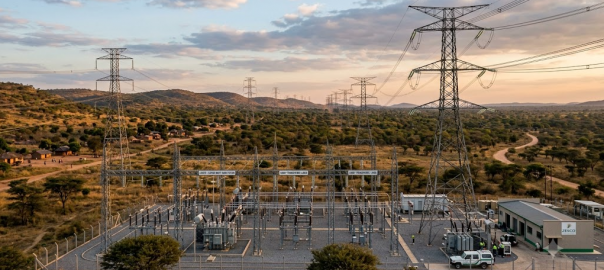
Thu, July 30 2026 /Mpelembe Media/ — The electricity supply industries in Southern Africa are undergoing a major structural shift, transitioning from vertically integrated, state-dominated monopolies toward decentralized and competitive wholesale power markets. This transformation is largely driven by persistent power deficits, climate-induced hydropower shortages, and the soaring energy demands of the region’s mining sectors. Continue reading


25Sep/24

AI supercharges data center energy use – straining the grid and slowing sustainability efforts

Ayse Coskun, Boston University

The artificial intelligence boom has had such a profound effect on big tech companies that their energy consumption, and with it their carbon emissions, have surged.

Continue reading

12Oct/22

Zambia Diesel Genset Market Size and Share Analysis Report 2022-2030 Featuring Atlas Copco, Kohler, Cummins, Caterpillar, & Aggreko – ResearchAndMarkets.com

DUBLIN–(BUSINESS WIRE)–The “Zambia Diesel Genset Market Size and Share Analysis by Power Rating, Application – Forecast to 2030” report has been added to ResearchAndMarkets.com’s offering.

“Zambia Diesel Genset Market Size and Share Analysis by Power Rating, Application – Forecast to 2030”

In 2021, the Zambia diesel genset market accounted for $13,762.1 thousand revenue, which is predicted to grow at a compound annual growth rate of 4.9% from 2021 to 2030. Continue reading

27Jun/22

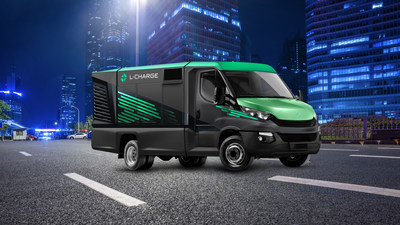
L-Charge plans to accelerate the deployment of EV Charging Infrastructure in Europe

While Norway, the Netherlands and Germany are leading the race on electrification and infrastructure provision with a planned ratio of 3 EVs per public charge point, many European countries are lagging behind. In contrast, there are currently 22 EVs per public charge point in Ireland, and 27.2 EVs per public charge point in the UK. Increasing the number of grid-tied chargers is often a difficult, lengthy and cost onerous process because of grid constraints and aging infrastructure. Continue reading