TV’s Golden Age of Treachery: Why The Celebrity Traitors Remains a Social Media Juggernaut
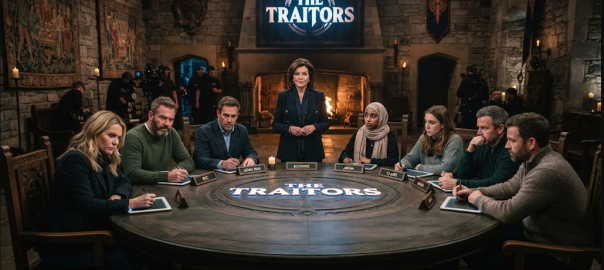
Fri 02 Oct 2026 /Mpelembe Media/ — The second series of The Celebrity Traitors has sparked a massive wave of live commentary, fan theories, and viral memes across X and TikTok following its premiere. A primary driver of current social media chatter is actor Richard E. Grant, who was chosen alongside Maya Jama as one of the initial Traitors. Grant immediately ignited viral reactions after accidentally confessing his Traitor status to the entire castle at the Round Table and attempting to pass it off as a joke, leading viewers to label him an instant series icon and compare his chaotic energy to former winner Alan Carr. The episode’s dramatic cliffhanger has further intensified online speculation, as Grant and Jama summoned comedian James Acaster and journalist Amol Rajan to plead for their survival inside coffins, leaving fans desperately debating on social feeds who will complete the Traitor trio and who will be eliminated. Beyond the round table drama, behind-the-scenes moments—such as host Claudia Winkleman revealing she had to hide in a bush because comedian Rob Beckett made her laugh during filming—have generated widespread TikTok edits. Combined with its gothic castle aesthetic and star-studded cast, the show continues to dominate online timelines and drive appointment viewing among younger Gen Z audiences. Continue reading