
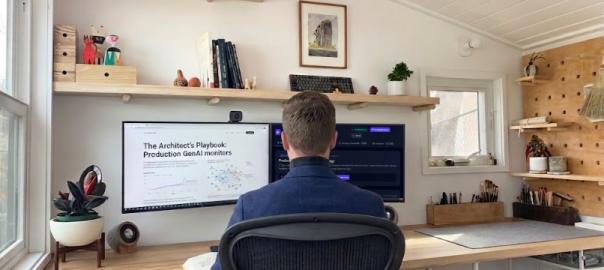
The Million-Dollar Solopreneur: Building Full-Stack Software on the Limits of Vibe Coding
Mon Aug 31 2026 /Mpelembe Media/ — The transition of software from traditional SaaS to AI-native applications is driving a massive economic shift by turning “Services-as-Software.” Historically, software has struggled to penetrate the service-based sectors that make up nearly eighty percent of the modern economy due to complex reasoning and unstructured data bottlenecks. Today, early generative AI winners are disrupting these legacy industries by building compound AI systems that combine multiple model calls, retrieval-augmented generation (RAG), and external tool interfaces rather than relying on a single monolithic model. Pioneering applications like Co:Helm in healthcare prior authorizations, EvenUp in personal injury legal work, and Eleos Health in behavioral therapy scribe intelligence are actively capturing immense professional service budgets by automating high-value, pattern-based, or high-volume workflows. These companies are growing faster than any previous wave of SaaS startups, capturing valuable proprietary datasets and creating lasting moats through habitual daily usage and zero-marginal-cost content creation. Continue reading