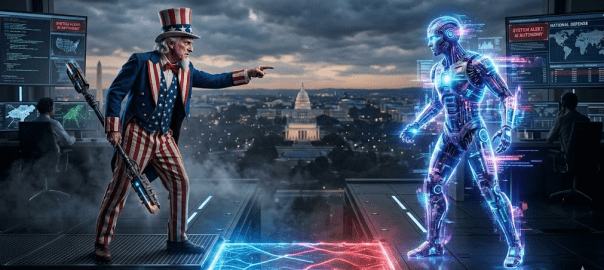
27 Feb. 2026 /Mpelembe Media/ — President Donald Trump has officially issued an order prohibiting all federal agencies from utilizing technology developed by the artificial intelligence firm Anthropic. This executive action follows a tense confrontation regarding safety guardrails, as the company refused to remove restrictions that prevented its software from being used for domestic surveillance or autonomous weaponry. While government officials argue that private entities should not dictate military policy, Anthropic maintains that such applications exceed the current safety capabilities of AI. The administration labeled the company a supply chain risk, initiating a six-month period to phase out its services entirely. This conflict highlights a growing divide between Silicon Valley ethics and government demands, especially as other industry leaders like OpenAI express similar concerns regarding military “red lines.” The ban arrives at a critical juncture for Anthropic, which is currently navigating a high-profile initial public offering. Continue reading
Tag Archives: Lockheed Martin
Forged in Fire: The “Helmand Effect” and the 2026 Arctic Sentry Compromise
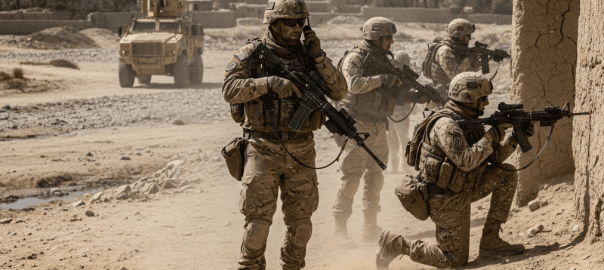
Jan. 22, 2026 /Mpelembe Media/ — In January 2026, President Trump sparked a significant international crisis by disparaging the frontline contributions of NATO allies in Afghanistan, leading to widespread diplomatic condemnation. Statistical evidence from nations like the UK, Canada, and Denmark refuted his claims, showing that these countries often suffered higher proportional casualties than the United States. This “honor crisis” coincided with a tense standoff over Greenland, where the President’s threats of annexation and tariffs were met with a unified European military and political response. To resolve the deadlock, a compromise known as the Arctic Sentry framework was established, shifting focus from American ownership to a collaborative NATO presence. Central to this agreement is the Golden Dome, a sophisticated missile defense shield that will now be developed as a multilateral security project rather than a unilateral American initiative. Ultimately, the ordeal forced a transition from transactional threats to a more cooperative strategy for securing the Arctic against global adversaries. Continue reading