A new Special Report by Sustainability Magazine titled ‘Technology & Energy: Decarbonising the Built Environment’, focuses on how global property and real estate leaders are deploying innovative technologies to reduce carbon emissions, since buildings are responsible for a significant percentage of global energy use and carbon emissions. Key companies like Cushman & Wakefield, CBRE, and Johnson Controls are featured for their efforts in leveraging smart systems, electrification, and clean energy to achieve net-zero commitments. The report highlight that smart building technologies are instrumental in reducing energy consumption and underscore the growing market value of green building practices. Continue reading
Tag Archives: Sustainable technologies
AI supercharges data center energy use – straining the grid and slowing sustainability efforts
Ayse Coskun, Boston University
The artificial intelligence boom has had such a profound effect on big tech companies that their energy consumption, and with it their carbon emissions, have surged.
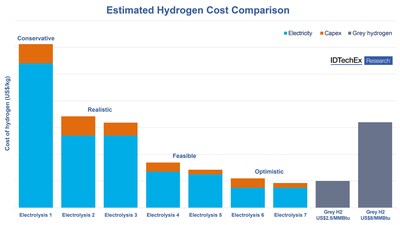
Green Hydrogen: IDTechEx Asks if It Can Be Cost Competitive
The clean hydrogen market is poised for growth, driven by decarbonization efforts and concerns around energy security. A number of ambitious targets and roadmaps are being set out by different governments and regions. Clean hydrogen can refer to a number of routes for producing hydrogen, but the primary among them are green and blue hydrogen. Blue hydrogen refers to hydrogen produced from natural gas or coal but with carbon emissions captured. Green hydrogen refers to the splitting of water via electrolyzers powered by renewable power sources. IDTechEx forecasts that the water electrolyzer market will grow to over US$120B by 2033. Continue reading
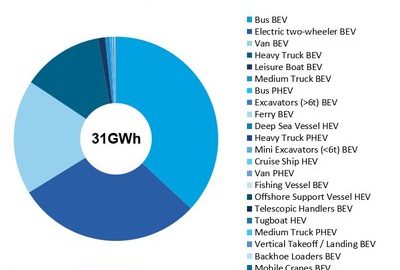
30 Giga-Watt Hours of Electric Vehicle Markets Beyond Cars, Reports IDTechEx
Electric vehicle markets are growing globally – in total IDTechEx’s latest master electric vehicle report “Electric Vehicles: Land, Sea & Air 2022-2042” finds 35.7 million electric vehicles (EV) were sold in 2021 and predicts this will rise to over 74 million by 2030. Continue reading