
Tag Archives: The Industrial Development Corporation

27Oct/26

Political Erasure and the Case for Structural Reform in Zambian State Media

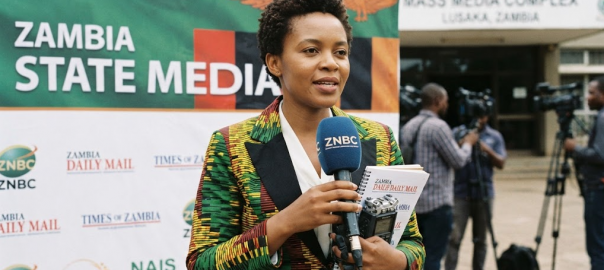
The Glass Cliff at Zambia Daily Mail: Historic Female Appointment Overshadowed by Newsroom Subversion

Mon, July 26 2026 /Mpelembe Media/ — The Zambia Daily Mail Independence Day publication scandal erupted on October 23, 2026, when a special commemorative feature chronicling Zambia’s political history and presidential lineage systematically excised the country’s sixth Republican President, Dr. Edgar Chagwa Lungu. While portraits and historical narratives for all other post-independence heads of state were published, Dr. Lungu’s complete omission sparked immediate national outcry, political backlash from opposition quarters, and severe displeasure from both State House and the Ministry of Information. Subsequent internal forensic investigations revealed that Chief Sub-Editor Jackson Sitengu unilaterally deleted Dr. Lungu’s portrait and textual references prior to transmitting press-ready files. Sitengu acted independently without approval from senior management, later explaining that he felt Dr. Lungu should be omitted due to ongoing political controversies surrounding his legacy and an unforced desire to align the publication with perceived state preferences. Continue reading →

13Sep/26

The Struggle is One Zambia, One Nation: Kenneth Kaunda

The Political and Economic Legacy of Kenneth Kaunda: A Comprehensive Analysis

1. Introduction: The Architect of Modern Zambia

In October 1964, Kenneth Kaunda ascended to the presidency of the newly independent Republic of Zambia, executing a transition of immense strategic complexity. Navigating the metamorphosis of the former British protectorate of Northern Rhodesia into a sovereign Republic required not merely administrative acumen, but the navigation of a post-colonial state inheriting a dualistic economy characterized by enclave mineral extraction and structural dependency. Kaunda emerged as a primary architect of the region’s decolonial architecture, a role that earned him the reverential titles of “Pan-Africanist” and the “Baobab of African politics”—symbolizing a towering, resilient figure whose influence provided the essential canopy for regional liberation. His core mission, as distilled from the regional collective memory, was the reclamation of an African destiny where the continent’s inhabitants could chart their own socio-economic trajectory, finally ending the era where natural resources were plundered while the populace remained in structural poverty. This mission was predicated on a governance model that sought to harmonize indigenous values with the requirements of a modern state. Continue reading →