Tag Archives: George

23Oct/26

Why Modern Election Polls Fail

The Mirage of Precision: How Partisan Nonresponse and Evolving Electorates Reshaped Election Polling

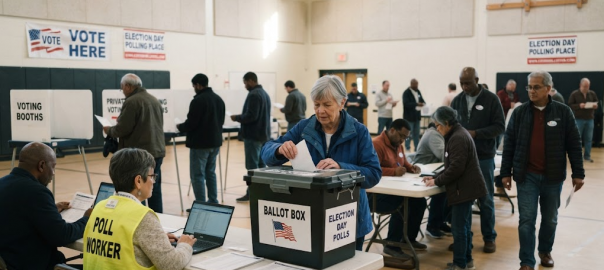
Fri Oct. 23, 2026 /Mpelembe Media/ — Modern pre-election polling has encountered severe structural challenges over recent presidential election cycles, primarily driven by partisan nonresponse bias rather than declining response rates alone. Across three consecutive presidential contests in 2016, 2020, and 2024, public polls systematically underestimated Republican vote shares relative to Democrats, producing signed errors that overstated Democratic margins by 3.1, 4.6, and 2.7 percentage points, respectively. While response rates dropped below five to ten percent across the industry, lower participation only generates systemic error when nonresponse correlates with political behavior. Voter cohorts exhibiting lower levels of institutional and social trust—disproportionately conservative, working-class, and rural populations—have increasingly opted out of survey research, creating persistent coverage gaps in raw polling samples. Continue reading →
09May/26

Jamaican Patois is not broken English

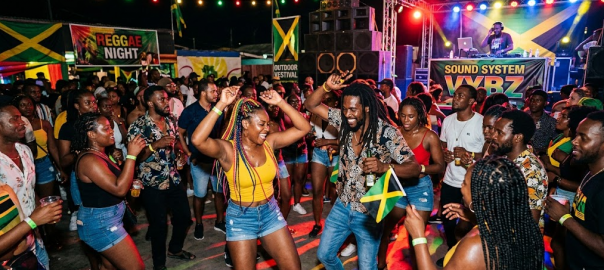
Sat, May 9  2026 /Mpelembe Media/ — The text portrays a flirtatious dialogue where the male protagonist expresses an intense desire for a woman’s affection and physical presence. Throughout the verses, the artists exchange lines about romantic attraction, the fulfillment of fantasies, and the undeniable chemistry shared between two people. By repeatedly asking when the other will surrender to their feelings, the song highlights a sense of urgency and longing. Ultimately, the narrative focuses on a mutual temptation and the hope of building a lasting romantic connection.
Beyond “Ya Mon”: 6 Surprising Truths About the Soul of Jamaican Patois Continue reading →

25Aug/23

Slavery stole Africans’ ideas as well as their bodies: reparations should reflect this

Jenny Bulstrode, UCL and Sheray Warmington, UCL

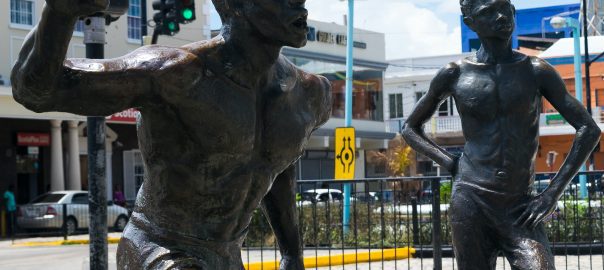
In a speech to mark Unesco’s campaign for the Remembrance of the Slave Trade and its Abolition, UN secretary-general António Guterres told the United Nations general assembly earlier this year that the inequalities created by 400 years of the transatlantic chattel trade persist to this day. “We can draw a straight line from the centuries of colonial exploitation to the social and economic inequalities of today,” he said.

Continue reading →

11Apr/23

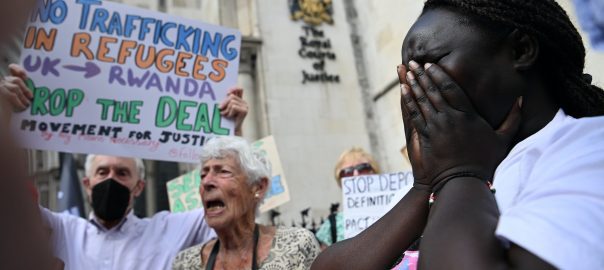
‘It’s like you’re a criminal, but I am not a criminal.’ First-hand accounts of the trauma of being stuck in the UK asylum system

Steve Taylor, Leeds Beckett University

Warning: this story contains graphic descriptions of violence. Pseudonyms are used to protect the interviewees’ identities.

Angela had already been in the UK as an asylum seeker for nine years and four months when we interviewed her. She was still in a state of limbo, unsure whether asylum would be granted, and her story was disturbing to hear.

Continue reading →