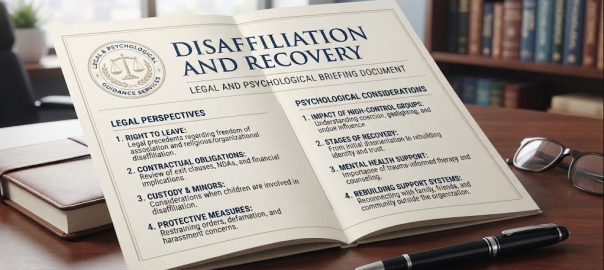
Navigating Disaffiliation: Legal Protections, Administrative Mechanics, and Psychological Recovery
Legal Autonomy and the Constitutional Right to Disassociate
Mon, July 26 2026 /Mpelembe Media/ — Under constitutional jurisprudence and associational law, individuals possess an absolute negative right to disassociate from private, fraternal, or high-control religious organizations. In the landmark decision Guinn v. Church of Christ of Collinsville, the Supreme Court of Oklahoma established that while internal religious discipline of active members is constitutionally protected under the Free Exercise Clause, an individual’s clear written resignation immediately revokes the organization’s jurisdiction over them. Once written notice is delivered, the entity loses its constitutional shield, leaving any subsequent public disclosure of private facts, shunning, or disciplinary measures subject to secular tort liability, including invasion of privacy and intentional infliction of emotional distress. Organizations cannot enforce mandatory lifelong membership or unilateral restrictions on exit unless they can demonstrate an explicit, knowing, and intelligent waiver of constitutional rights prior to the onset of disciplinary proceedings. Continue reading