Tag Archives: Attachment theory

27Jul/26

Why separated siblings instantly connect

The Science of “Mirroring”: Why Separated Relatives Experience Instant Chemistry Upon Reunion

Mon, July 27 2026 /Mpelembe Media/ — This report examines the extraordinary impact of genetics on human behavior and identity through stories of biological relatives reunited after decades apart. Highlighting the famous “Jim twins” and airport coworkers Dave Green and Andrea Urmston, the texts detail uncanny coincidences in the lives of siblings who grew up in different environments yet shared identical habits, names, and life choices. Scientific research, such as the Minnesota Study of Twins Reared Apart, is referenced to suggest that personality traits are often deeply rooted in our DNA. Beyond behavioral parallels, the articles explore the emotional gravity of fulfilling family promises and the complex psychological phenomena that can occur during such reunions. Collectively, the materials illustrate the enduring debate of nature versus nurture by showcasing how biological bonds persist despite long-term separation. Continue reading

09Jul/26

Why your biology needs other people

The Stoic Philosophy of Friendship: Autonomy from Fullness

Thur, July 09 2026 /Mpelembe Media/ — Seneca’s moral essays resolve the apparent contradiction between radical mental self-sufficiency (autarkeia) and the human yearning for companionship. In Letter 9, Seneca distinguishes between “needing” others to patch over an internal void (which breeds fragile, “fair-weather” utility friendships) and “desiring” friends to share a life that is already complete. The Stoic sage possesses the ultimate psychological autonomy—relying on internal virtue rather than external Fortune. Yet, because humans are naturally social cosmopolitans, we seek friendship for its own sake. True friendship is an active theater for projecting virtue and kindness, beautifully summarized by Hecato’s timeless formula: “If you would be loved, love”. Practically, Seneca’s Letter 3 sets out a strict temporal blueprint for relationships: exercise rigorous, analytical judgment before admitting someone to your life, but once they are chosen, trust them unconditionally, removing all defensive barriers. This framing invites us to connect from fullness, rather than lack.

Continue reading

14Apr/26

Why Distance Makes Some Couples Closer

April 14, 2026 /Mpelembe Media/ —  This research explores how long-distance couples utilize multiplayer video games to maintain emotional connections and foster intimacy despite physical separation. By analyzing the experiences of thirteen couples, the authors identify specific ways partners adapt game mechanics to express virtual affection and navigate different play styles. The study highlights significant gaps in current gaming technology, particularly regarding the lack of physical sensation and the inability to store digital mementos. To address these shortcomings, the researchers developed prototypes and design recommendations aimed at enhancing the relational maintenance capabilities of interactive software. Ultimately, the source advocates for new design standards that better support the unique emotional needs of partners living apart. Continue reading

24Feb/26

The Neurobiology of Heartache: The Shared Brain Pathways of Love Addiction, Childhood Trauma, and Prolonged Grief

24 Feb. 2026 /Mpelembe Media/ — This research explores the profound intersections between intense romantic love, debilitating grief, and clinical addiction. By examining these human experiences through psychological, neurobiological, and sociological lenses, a unified framework emerges: both obsessive love and prolonged grief are dysregulations of the brain’s fundamental reward and attachment systems. Continue reading

04Jul/22

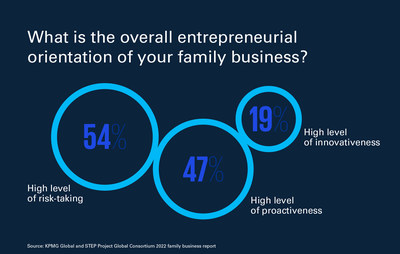
Formula for peak performance and staying power of family businesses revealed: Global report

Successful family businesses have common characteristics that drive their performance and continuity from one generation to the next, finds a new global report by KPMG Enterprise and the STEP Project Global Consortium. According to the report, three key characteristics help to sustain their success: a strong entrepreneurial orientation across the generations; family connection and attachment to the business; and ambitious next-generation leadership. Continue reading