Tag Archives: White South African people

19Oct/26

How Billionaires Turn Philanthropy Into Power

Technocratic Capital vs. Traditional Charity: The Billionaire Battle Over Philanthropy

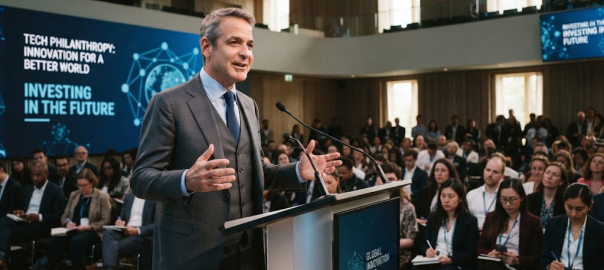
Mon Oct. 19, 2026 /Mpelembe Media/ — Prominent Silicon Valley leaders, most notably Elon Musk and Coinbase CEO Brian Armstrong, have spearheaded a systematic ideological shift away from traditional billionaire philanthropy. Armstrong and Musk argue that conventional non-profit grantmaking and large private foundations are inefficient, prone to administrative bloat, and routinely “captured by ideology,” rendering many charitable endeavors a net negative for society. Rooted in capitalist techno-determinism and Effective Accelerationism (e/acc), this perspective holds that civilizational advancement is best achieved not through non-profit redistribution, but by aggressively deploying private capital into high-risk, engineering-driven for-profit enterprises—such as electric vehicles, space exploration, and digital infrastructure. Consequently, leaders subscribing to this philosophy prioritize market innovation and founder-controlled capital allocation over legacy grantmaking models exemplified by Bill Gates or Warren Buffett. Continue reading →

13Jun/23

Is Elon Musk Zambian, just asking

June 13, 2023 /Technology/ — Elon Musk is not Zambian. He was born in Pretoria, South Africa, to a Canadian mother and a South African father. He moved to the United States when he was 17 years old to attend college.

The confusion may have arisen because Elon Musk’s father, Errol Musk, once owned an emerald mine in Zambia. However, Elon Musk has never lived in Zambia and has never claimed Zambian citizenship. Continue reading →

13Oct/22

What is cultural appropriation and why is it so harmful?

Adam Haupt, University of Cape Town

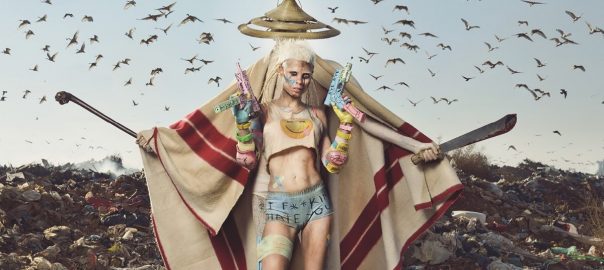
Die Antwoord is a South African band that uses hip-hop music to create a style it calls “zef”. Since it first appeared in 2009, Die Antwoord has been criticised for cultural appropriation (using cultural elements of a minority group in an exploitative way). It’s accused of copying the lyrics and styles of Cape Town artists rapping in South Africa’s Kaaps language, and of mimicking the visual styles of Cape Flats gang members. Adam Haupt has researched and written extensively on hip-hop and identity. He discusses cultural appropriation and the role of power in interactions between dominant and marginalised subjects in a case like Die Antwoord’s.

Continue reading →