Tag Archives: Mental health

29Oct/26

Why Positive Thinking Backfires

Cultivating Psychological Flexibility: Synthesizing Behavioral Therapy, Cognitive Science, and Existential Thought

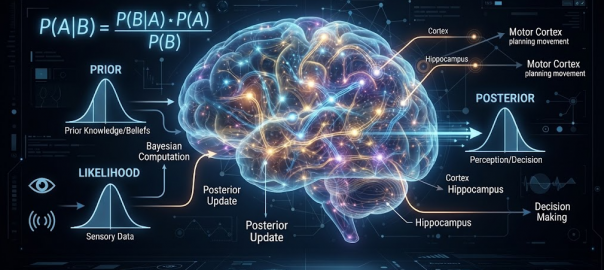
Thu, July 29 2026 /Mpelembe Media/ — Psychological Flexibility and Acceptance & Commitment Therapy (ACT) Psychological flexibility—defined as consciously contacting the present moment as a human being and guiding action based on chosen values—serves as the foundational mechanism of Acceptance and Commitment Therapy (ACT). Derived from Relational Frame Theory (RFT), ACT addresses the core problematic process of experiential avoidance, wherein individuals expend immense energy attempting to suppress, escape, or alter unpleasant thoughts, emotions, and bodily sensations. Cognitive fusion occurs when literal language and internal verbal rules dominate behavior, pulling individuals away from direct contingencies in their environment. Through core processes such as cognitive defusion, acceptance, present-moment awareness, self-as-context, values clarification, and committed action, ACT fundamentally alters an individual’s relationship to their internal experiences rather than attempting to forcibly modify cognitive content. Empirical research confirms that workplace interventions increasing psychological flexibility enhance employee health, innovation, software mastery, and performance targets while outperforming traditional individual-difference constructs like Emotional Intelligence or the Big Five personality traits. Continue reading →

29Oct/26

Hidden Drivers of Depression in Zambia

Beyond Individual Risk: How Community Context and Structural Inequalities Shape Mental Health Across Zambia

Thu, July 29 2026 /Mpelembe Media/ — National epidemiological evidence from the 2024 Zambia Demographic and Health Survey (ZDHS) demonstrates that approximately 8.2% of Zambian adults aged 15–59 years—or roughly one in twelve people—screen positive for probable depression, probable anxiety, or both. Utilizing validated screening tools including the Patient Health Questionnaire (PHQ-9) and Generalized Anxiety Disorder scale (GAD-7), the study establishes a national baseline for a population where epidemiological evidence was previously scarce. Symptom prevalence shows a distinct age trajectory, rising steadily from 4.2% among adolescents aged 15–19 to a peak of 11.5% among adults aged 40–44. While Zambia’s overall baseline is moderate compared to regional neighbors such as South Africa (where probable depression reaches 25.7%), it reflects a substantial mental health burden that remains largely undetected and untreated due to severe healthcare workforce constraints, structural low priority, and widespread social stigma. Continue reading →

18Jul/26

How Empathy Breaks Cognitive Confinement

The Battle Against ‘Stigma’: Empathy as Activism

Sat, July 18 2026 /Mpelembe Media/ — This theme of compassion is echoed in an overview of Princess Diana’s legacy, specifically her belief that personal happiness is invalid if it stems from the suffering of others. Her influence as a patron is further illustrated by Turning Point, a social care organization celebrating sixty years of service through an exhibition of symbolic objects that represent recovery and inclusion. Collectively, the texts document a shift toward person-centered care and the ongoing struggle to eliminate the social stigma surrounding addiction, disability, and mental illness. Together, they provide a multi-layered perspective on the progress of social welfare and the enduring power of empathy in public life. Continue reading →

25Nov/25

Critical Thinking: There is a thin line between genius and insanity

Nov. 25, 2025 /Mpelembe Media/ — This phrase, “There is a thin line between  genius and insanity,” is a compelling and long-standing stereotype that suggests a close connection between exceptional creativity and mental illness.

While it’s a popular idea, modern research indicates that it’s an oversimplification. There isn’t a single “thin line,” but rather a complex, non-linear relationship where certain traits and genetic factors are sometimes shared between highly creative individuals and those with specific mood disorders. Continue reading →

15May/25

5th Annual Mental Health Action Day

The fifth annual Mental Health Action Day, is an initiative spearheaded by SHOWTIME/MTV Entertainment Studios and TaskForce that brings together thousands of organisations and brands. The goal of this global movement is to shift the focus from awareness to action regarding mental health. A key element promoted this year is the A.S.K. framework (Acknowledge, Support, Keep-in-Touch) for providing emotional support. Several examples are provided of how Paramount Global and its partners, including local CBS stations and popular television shows, are supporting non-profits and encouraging communities to take concrete steps for mental well-being through various local events and initiatives. Continue reading

22Jan/24

Mental health consequences of relentless money pursuit

Jan. 22, 2024 /Healthcare/ — There can be a significant link between the pursuit of money at any cost and mental illness. Here are some ways of this connection: Continue reading →

16Jan/24

The culture of begging. why do people resort to humiliation when there options for self respect?

Jan. 16, 2024 /Human Interest/ —  It’s important to remember that resorting to begging is rarely done out of a desire for humiliation. It’s usually a complex situation driven by desperation and a lack of viable alternatives. Here are some factors to consider: Continue reading →

12May/23

Learn about loneliness and what can be done to solve the loneliness epidemic

NEW YORK, May 12, 2023 /Healthcare/ — Loneliness is a growing problem in the United States. In fact, the Surgeon General has called it an epidemic. Loneliness can have a negative impact on our physical and mental health, and it can even shorten our lifespan.

There are many things we can do to learn about loneliness and what we can do to solve the epidemic. Here are a few ideas: Continue reading →

02May/23

Can AI (Artificial Intelligence) suffer from mental illness?

There are a number of reasons why mental health apps may have worse privacy than other types of apps.

Mental health apps collect more sensitive data. Mental health apps often collect data about users’ mental health, which is considered to be sensitive information. This data can include information about users’ moods, thoughts, feelings, and behaviors. Continue reading →