
Tag Archives: Mukuka

02Nov/26

How Zambia’s Democracy Collapsed

Disappearances, Detentions, and Silenced Courts: Human Rights Observers Sound Alarm Over Zambia’s Post-Vote Deterioration

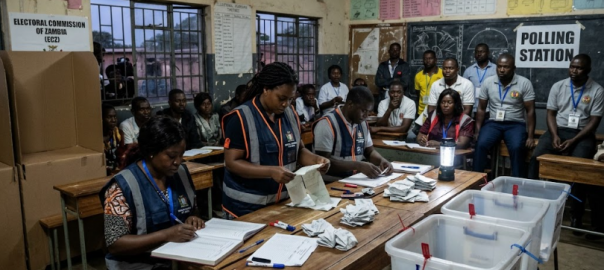
Sun, Nov 01 2026 /Mpelembe Media/ — Following the August 13, 2026 general elections, Zambia experienced an acute escalation of state repression and institutional erosion that reversed earlier commitments to democratic reform. While the Electoral Commission of Zambia (ECZ) officially declared incumbent President Hakainde Hichilema re-elected on August 18 with 60.7 percent of the vote against 38 percent for main opposition challenger Brian Mundubile of the Tonse Alliance (NRPUP), the electoral ecosystem was marred by significant structural controversies. Ahead of the polls, the pre-electoral environment had already contracted through the fast-tracked passage of the 2025 Cyber Security Act and Cyber Crimes Act, selective deployment of the colonial-era 1955 Public Order Act to disrupt opposition rallies, and the abrupt cancellation of the global RightsCon tech summit in Lusaka. International and regional observer missions from SADC, the African Union–COMESA, the EU, and the ICGLR highlighted that procedural fairness was compromised by state-backed intimidation, media curbs, and a temporary halt in vote tabulation. Continue reading →
20Aug/26

Zambia’s Landslide Victory and Opposition Crackdown

From Democratic Beacon to Shadow State — President Hichilema’s Co-option of the Judiciary and Post-Election Security Crackdowns

Thu, Aug 20 2026 /Mpelembe Media/ — Zambia’s standing as a historically resilient multiparty democracy in Southern Africa has been severely tested by the events surrounding the August 13, 2026, general election, which critics argue represent a systematic campaign by President Hakainde Hichilema’s administration to dismantle the country’s democratic framework. Although Hichilema came to power in 2021 on a reformist “New Dawn” platform pledging to restore the rule of law and depoliticize the civil service, his administration has increasingly co-opted state institutions to eliminate political opposition and consolidate executive hegemony, fueling fears of an engineered “life presidency”. The run-up to the election was marked by rising authoritarianism, including the weaponization of the Cyber Crimes Act of 2025 to arrest independent journalists like MacPherson Mukuka and Thomas Allan Zgambo, as well as a proposed Non-Governmental Organizations Bill designed to grant the government excessive control over civil society groups. Tensions escalated further following the death of former President Edgar Lungu in June 2025, which fragmented the opposition, and the Constitutional Court’s retroactive disqualification of Lungu from contesting the 2026 elections. Continue reading →