
Tag Archives: dopamine

29Mar/26

Navigating the Friendship Recession and the Cost of Connection

The Decline of the “Third Place” and the Rise of Global Isolation

March 30, 2026 /Mpelembe Media/ — The Core Issue: The “Friendship Recession” Modern society is experiencing a severe decline in social capital and interpersonal connections, a phenomenon widely referred to as the “friendship recession”. Data shows a quantifiable collapse in the size of our social networks: in 1990, 33% of Americans reported having 10 or more close friends, but by 2021, that number had plummeted to just 13%. Meanwhile, the percentage of individuals reporting zero close friends has quadrupled. This erosion of social capital—the “glue” that holds communities together through networks, trust, and reciprocity—is undermining both civic engagement and personal well-being.

Continue reading

26Mar/26

Suing social media for addictive design

Earthquake for Big Tech: Juries Hit Meta and YouTube with Multi-Million Dollar Verdicts Over Youth Social Media Addiction

March 26, 2026 /Mpelembe Media/ — A landmark legal shift is currently unfolding as social media giants face unprecedented liability for the mental health impacts of their platforms on minors.

Landmark Jury Verdicts In a first-of-its-kind bellwether trial in Los Angeles, a jury ordered Meta and Google (YouTube) to pay $3 million in compensatory damages and recommended an additional $3 million in punitive damages to a 20-year-old woman, known in court as K.G.M. or Kaley. The jury found that both companies acted negligently and with malice, oppression, or fraud by designing platforms that addicted the plaintiff as a child, exacerbating her depression, anxiety, and body dysmorphia. Meta was assigned 70% of the responsibility for the harm, while YouTube bore 30%. TikTok and Snap, initially named as co-defendants, settled the claims against them just before the trial began. Continue reading

24Feb/26

The Neurobiology of Heartache: The Shared Brain Pathways of Love Addiction, Childhood Trauma, and Prolonged Grief

24 Feb. 2026 /Mpelembe Media/ — This research explores the profound intersections between intense romantic love, debilitating grief, and clinical addiction. By examining these human experiences through psychological, neurobiological, and sociological lenses, a unified framework emerges: both obsessive love and prolonged grief are dysregulations of the brain’s fundamental reward and attachment systems. Continue reading

23Feb/26

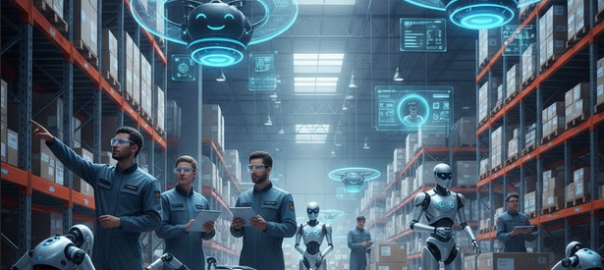
The Invisible Disaster: AI Replacement Dysfunction and Worker Anxiety

23 Feb. 2026 /Mpelembe Media — Researchers have identified a burgeoning psychological crisis labeled AI replacement dysfunction (AIRD), which stems from the pervasive fear of professional obsolescence. This condition manifests as a specific cluster of symptoms including insomnia, paranoia, and a loss of identity triggered by the constant threat of automated labor. While not yet an official medical diagnosis, experts argue that the existential anxiety caused by industry leaders predicting massive job losses constitutes an “invisible disaster.” Evidence suggests that high-profile layoffs at major tech firms are already validating these fears and negatively impacting employee mental health. To address this, the authors advocate for specialized clinical screening to distinguish technology-related distress from traditional psychiatric disorders. Ultimately, the source emphasizes that the societal shift toward AI requires new community and medical frameworks to support a vulnerable workforce. Continue reading

26Jan/26

The “Locked In” Era: Why Silicon Valley Founders are Trading Intimacy for Innovation

Jan. 26, 2026 /Mpelembe Media/ — There is a growing cultural trend where young tech entrepreneurs are intentionally choosing celibacy to maximize their professional output. By adopting a monastic lifestyle, these founders prioritize product development and company growth over romantic relationships or dating. Being “locked in” to their work requires removing the distractions of personal intimacy to remain competitive in Silicon Valley. Ultimately, this movement reflects a radical shift in work-life balance where emotional fulfillment is sacrificed for technological innovation. Continue reading

10Dec/25

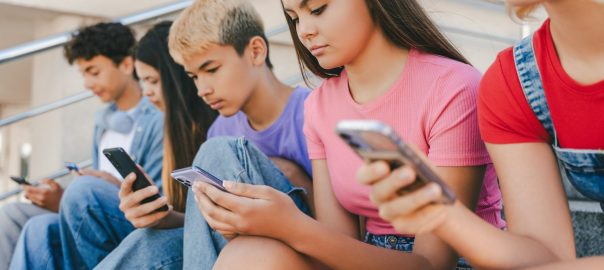
Social media, not gaming, tied to rising attention problems in teens, new study finds

Torkel Klingberg, Karolinska Institutet and Samson Nivins, Karolinska Institutet

The digital revolution has become a vast, unplanned experiment – and children are its most exposed participants. As ADHD diagnoses rise around the world, a key question has emerged: could the growing use of digital devices be playing a role?

Continue reading

13Dec/24

What is the drug captagon and how is it linked to Syria’s fallen Assad regime?

Nicole Lee, Curtin University

After the fall of the al-Assad regime in Syria, large stockpiles of the illicit drug captagon have reportedly been uncovered.

Continue reading

23Feb/24

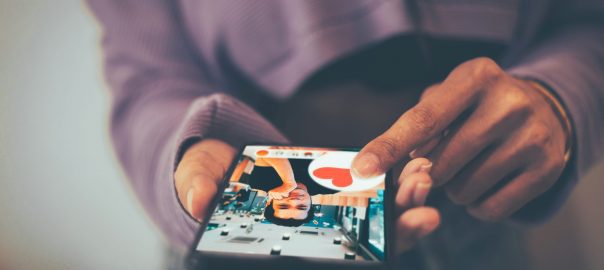
Dating apps are accused of being ‘addictive’. What makes us keep swiping?

Dr Anastasia Hronis, University of Technology Sydney

A class-action lawsuit filed in the United States against Match Group – the parent company of dating apps Tinder, Hinge and The League – is making headlines around the world.

Continue reading

15Nov/23

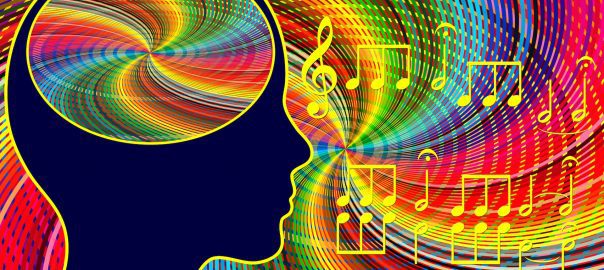
How music heals us, even when it’s sad – by a neuroscientist leading a new study of musical therapy

Leigh Riby, Northumbria University, Newcastle

When I hear Shania Twain’s You’re Still The One, it takes me back to when I was 15, playing on my Dad’s PC. I was tidying up the mess after he had tried to [take his own life]. He’d been listening to her album, and I played it as I tidied up. Whenever I hear the song, I’m taken back – the sadness and anger comes flooding back.

Continue reading