Tag Archives: Forms of government

01Nov/26

The Illusion of Democracy: Constitutional Manipulation and the Modern Dictator

How Modern Dictators Hold Absolute Power

Sun, Nov 01 2026 /Mpelembe Media/ —A dictatorship is a system of governance where a single individual or political party wields absolute power, typically emerging during periods of severe social unrest or economic instability. Within these regimes, personal autonomy, political choice, and human rights are heavily suppressed, and democratic institutions as well as opposition parties are dismantled. Rulers maintain authority through coercion, intimidation, unlawful imprisonment, violence, and state apparatuses such as secret police or indefinite detentions. Furthermore, autocrats frequently manipulate legal frameworks to preserve control; for instance, constitutional amendments in Russia altered presidential term limits to allow Vladimir Putin to remain in power through 2036. While autocracies concentrate unchecked authority strictly within an individual—a category that historically encompassed benevolent rulers—dictatorships can disperse authority across a governing party or ruling circle and inherently feature severe abuses of power. Continue reading →

10Mar/23

NEW REPORT: Global Freedom Declines for 17th Consecutive Year, but May Be Approaching a Turning Point

Global freedom declined for a 17th consecutive year in 2022 as 35 countries suffered deterioration in their political rights and civil liberties, according to a new report released today by Freedom House. A total of 34 countries made improvements during the year, however, meaning the gap between the numbers of countries that improved and declined was the narrowest it has ever been since the negative pattern began. The report suggests that the struggle for democracy may be approaching a turning point, and offers recommendations on how democratic governments and societies should work together to roll back authoritarian gains. Continue reading

13Sep/22

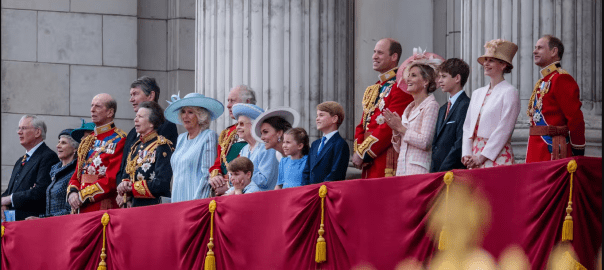
King Charles inherits crown with support for monarchy at record low – but future not set in stone

John Curtice, University of Strathclyde

The death of Queen Elizabeth II after 70 years on the throne has, of course, been met with widespread sadness and mourning. For most people in Britain, she is the only monarch they have known. Yet, inevitably, the mourning of her passing will be followed by a discussion about the future of the monarchy as an institution. After all, much has changed since 1951.

Although it may have provided the head of state for over a thousand years, in a modern democracy like Britain the monarchy will need to retain public consent if it is to survive.

Continue reading →