Tag Archives: Pakistan

01Nov/26

The Illusion of Democracy: Constitutional Manipulation and the Modern Dictator

How Modern Dictators Hold Absolute Power

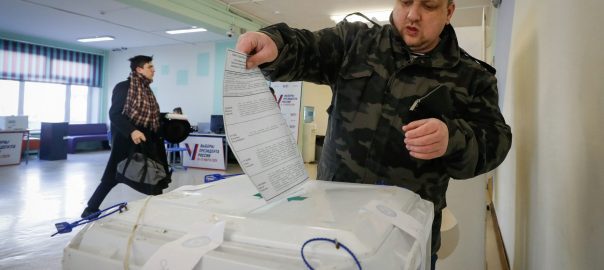
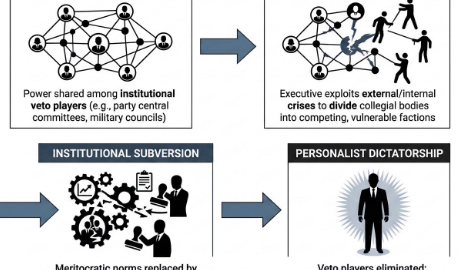
Sun, Nov 01 2026 /Mpelembe Media/ —A dictatorship is a system of governance where a single individual or political party wields absolute power, typically emerging during periods of severe social unrest or economic instability. Within these regimes, personal autonomy, political choice, and human rights are heavily suppressed, and democratic institutions as well as opposition parties are dismantled. Rulers maintain authority through coercion, intimidation, unlawful imprisonment, violence, and state apparatuses such as secret police or indefinite detentions. Furthermore, autocrats frequently manipulate legal frameworks to preserve control; for instance, constitutional amendments in Russia altered presidential term limits to allow Vladimir Putin to remain in power through 2036. While autocracies concentrate unchecked authority strictly within an individual—a category that historically encompassed benevolent rulers—dictatorships can disperse authority across a governing party or ruling circle and inherently feature severe abuses of power. Continue reading →
23Oct/26

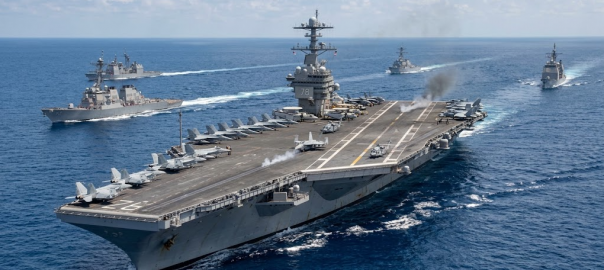
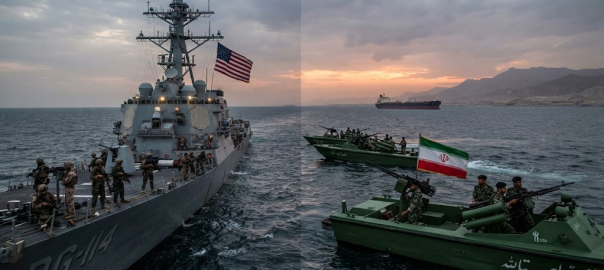
How Failed US-Iran Talks Triggered War

Losing the Coalition: How Domestic Immigration Raids and Foreign Conflicts Alienated Key Voters

Fri Oct. 23, 2026 /Mpelembe Media/ — The Republican Party faces an intensifying political and governance crisis heading into the November 3, 2026 midterm elections, driven by President Donald Trump’s career-low approval ratings between 32% and 35%. Broad public disapproval stems from an unfulfilled campaign promise to avoid endless foreign conflicts and lower consumer prices. Instead, the ongoing war with Iran—now in its seventh month despite initial predictions of a four-to-five-week duration—has combined with a persistent domestic affordability crisis to severely weaken GOP majorities in Congress. Continue reading →

27Aug/26

Trump’s Silverback Strategy and the Donroe Doctrine

A Weapon of Mass Disruption: Why the 2026 Iran War Exposed the Limits of American Might

Wed, Aug 26 2026 /Mpelembe Media/ — Donald Trump’s second term has transitioned into a highly volatile era characterized not by a passive “lame duck” status, but by what analysts call the “Silverback Presidency.” This statecraft style mirrors an aging mountain gorilla that, sensing its time is short and its dominance threatened, resorts to aggressive, unpredictable outbursts rather than yielding to institutional gridlock. Operating under a framework of personal grievance, vengeance, and an explicit rejection of the post-war rules-based order, Trump has openly asserted that his executive actions are limited only by his “own mind and morality”. Free from the perceived constraints of international law, the administration has launched high-stakes global maneuvers designed to forcefully project American power and secure a disruptive, nationalist legacy. Continue reading →

23Jul/26

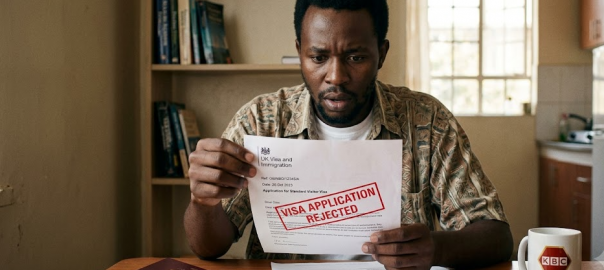
Your Passport Is a Geopolitical Weapon

The 20-Year Global Mobility Shift

Thu, July 23 2026 /Mpelembe Media/ — The 20-year retrospective analysis of global mobility reveals a profound geopolitical realignment, characterized by the expansion of average travel freedom alongside a starkly polarizing divide between the world’s most and least mobile populations.

Continue reading →

17Jun/26

How bulldozers beat Operation Epic Fury

The 2026 US-Iran Interim Peace Agreement and Its Fallout

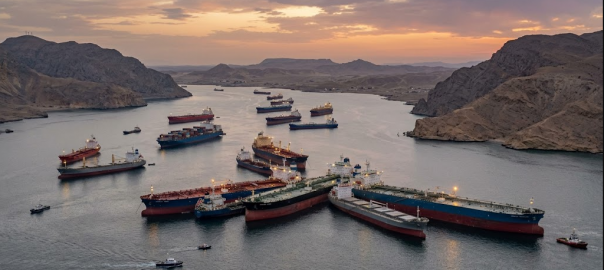
Wed, Jun 17 2026 /Mpelembe Media/ — In June 2026, the United States, under the Trump administration, and Iran agreed to an interim peace deal to halt a devastating four-month conflict that began in February. While the White House has attempted to frame the ceasefire as a victory that will reopen the Strait of Hormuz, geopolitical analysts and international media overwhelmingly characterize the war as one of the greatest strategic blunders in modern US history. The conflict cost the US an estimated $30 billion, resulted in the loss of advanced military hardware, and caused over 7,000 deaths, primarily in Iran and Lebanon. Continue reading →

15May/26

Why Giving Away Clean Stoves Fails

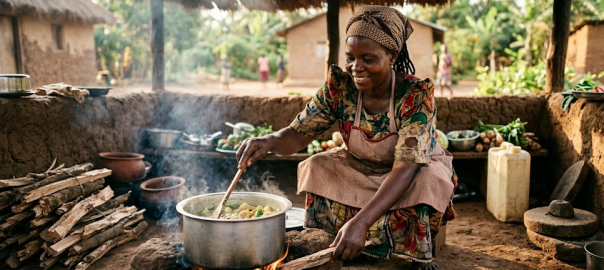
Fri, May 15 2026 /Mpelembe Media/ —The global reliance on traditional, polluting cooking fuels remains a critical health and environmental crisis, with over 2 billion people lacking access to clean alternatives like liquefied petroleum gas (LPG), biogas, and electricity. This dependence generates severe household air pollution (HAP), which is linked to nearly 3 million premature deaths annually and disproportionately impacts women and children, who also suffer the economic and educational toll of “time poverty” from daily fuel collection. Continue reading →

08Apr/26

The Fragile 2026 Iran War Ceasefire

Global Markets Rally as U.S. Halts Operation Epic Fury for Islamabad Negotiations

April 8, 2026 /Mpelembe Media/ — The 2026 war in the Middle East has reached a critical diplomatic turning point following a provisional two-week ceasefire between the United States and Iran, agreed upon on April 7, 2026. The truce, brokered through the mediation of Pakistani officials, was reached less than two hours before President Donald Trump’s deadline to launch devastating strikes against Iranian power plants and bridges. Prior to the agreement, Trump had escalated his rhetoric to unprecedented levels, warning that “a whole civilization will die” if Iran did not reopen the vital Strait of Hormuz to global shipping.

Continue reading →

06Apr/26

Why Friction Prevents Escalation

U.S. politicians across the political spectrum have reacted with intense alarm to the President’s recent expletive-laden threats toward Iran, with several questioning his mental fitness for office.

April 6, 2026 /Mpelembe Media/ — The current conflict between the United States, Israel, and Iran began in late February 2026 with joint U.S.-Israeli “preemptive” military strikes on Iran, aiming to either eliminate the country’s nuclear capabilities or force regime change. In retaliation, Iran launched drones and ballistic missiles against Israel, as well as U.S. military targets located in the Gulf States and Jordan. Now in its sixth week, the war has severely destabilized the Middle East, killing over 3,500 people across the region—including more than 1,900 in Iran and 1,400 in Lebanon—while displacing millions. Continue reading →

18Mar/24

Half the world will vote in 2024, but how many elections will be fair?

Toby James, University of East Anglia and Holly Ann Garnett, Royal Military College of Canada

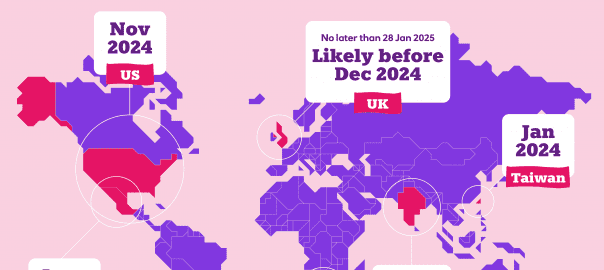
This year has been widely proclaimed to be the year of elections, with national elections expected in at least 64 countries. This means that half of the world’s population will have the opportunity to change their government, choose their representatives and indirectly shape policy. It began as a year of hope – and the prospect of democratic empowerment.

Continue reading →

02Jan/24

2024: The year of democratic elections

Jan. 2, 2024 /Politics/ — 2024 is shaping up to be a bumper year for elections! Here are some noteworthy examples beyond the UK and USA: Continue reading →