Tag Archives: Propaganda techniques

01Apr/26

April Fools’ in the Science Classroom: Using Pranks to Build Media Literacy

From Moon-Bats to Deepfakes: How Scientific Hoaxes Expose the Flaws in Our Information Ecosystem

April 1, 2026 /Mpelembe Media/ — The Evolution and Impact of Scientific Deception Throughout history, scientific hoaxes and misinformation have challenged our epistemological frameworks and tested the limits of institutional authority. While these deceptions have occasionally caused public harm, they also paradoxically serve as vital catalysts for improving methodological rigor, journalistic standards, and public media literacy. Continue reading

03May/25

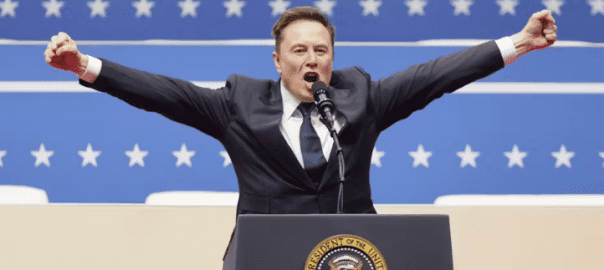
Perfect storm of tech bros, foreign interference and disinformation is an urgent threat to press freedom

Tom Felle, University of Galway

Media freedom has long been essential to healthy democracy. It is the oxygen that fuels informed debate, exposes corruption and holds power to account. But around the world, that freedom is under sustained attack.

Continue reading

02Jan/24

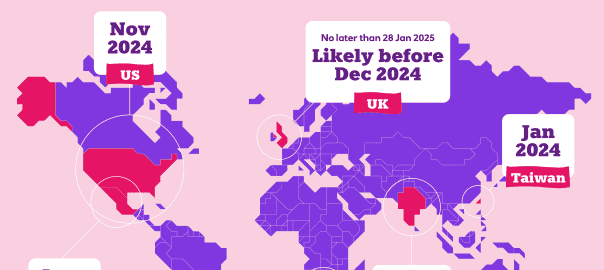
2024: The year of democratic elections

Jan. 2, 2024 /Politics/ — 2024 is shaping up to be a bumper year for elections! Here are some noteworthy examples beyond the UK and USA: Continue reading

17Apr/23

The future of AI-powered disinformation

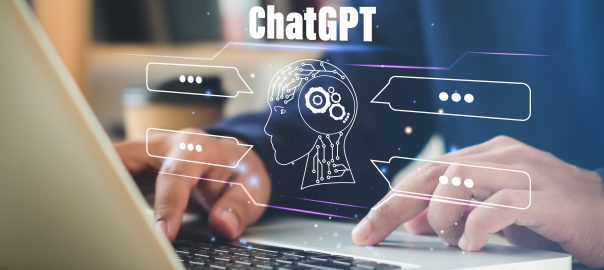
April 17, 2023 /MEDIA/ — The future of AI-powered disinformation is a concerning one. As AI technology continues to develop, it will become increasingly easy to create and spread false or misleading information. This could have a devastating impact on our society, as it could erode trust in institutions, undermine democracy, and lead to violence.

There are a number of ways in which AI could be used to spread disinformation. For example, AI could be used to create fake news articles, social media posts, and videos that are designed to look like they are from legitimate sources. AI could also be used to target people with personalized disinformation, based on their interests and beliefs.
Continue reading

15Aug/22

OPINION: Besides AI, regulation key to fight mis/disinformation

By Anya Schiffrin, director of the Technology, Media and Communications specialization at Columbia University’s School of International and Public Affairs.

When worries about online mis/disinformation became widespread after the 2016 U.S. election, there was hope that the tech giants would use artificial intelligence (AI) to fix the mess they created. The hope was that platforms could use AI and Natural Language Processing (NLP) to automatically block or downrank false. illegal or inflammatory content online without governments having to regulate.
Continue reading