Tag Archives: Immigration to the United States

17Oct/26

U.S. immigration: National Interest Waivers, and Consular Strategies for Zambian Travelers

Navigating Proclamation 10998: What the 2026 U.S. Travel Restrictions Mean for Zambian Passport Holders

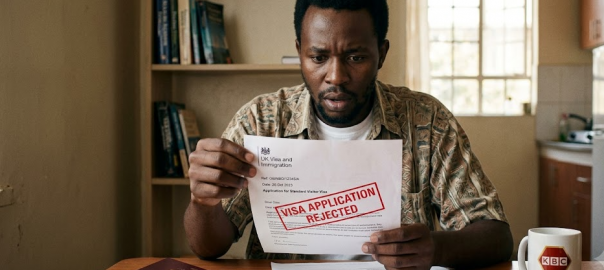
Sat Oct. 16, 2026 /Mpelembe Media/ — Effective January 1, 2026, Presidential Proclamation 10998 placed Zambia into a partial suspension tier that restricts entry and visa issuance for its passport holders. Under this executive directive, Zambian nationals who were outside the United States without a valid visa on the effective date are barred from obtaining immigrant visas as well as B-1/B-2 visitor visas, F academic student visas, M vocational student visas, and J exchange visitor visas. The United States government justified Zambia’s inclusion by citing Department of Homeland Security metrics showing a 10.73 percent overstay rate for B-1/B-2 visitor visas and a 21.02 percent overstay rate for student and exchange visitor categories. For nonimmigrant visa classifications that remain open, such as employment-based H-1B, L-1, and O-1 visas, consular officers are instructed to shorten validity periods, typically limiting approved visas to three months with single-entry authorization. The proclamation explicitly preserves existing valid visas issued prior to January 1, 2026, and provides categorical exemptions for U.S. lawful permanent residents, dual nationals traveling on an unrestricted passport, qualifying diplomatic personnel, and athletes participating in major international sporting events. Continue reading →
27Aug/26

Restructuring Trump’s Second-Term Immigration Policy

The High Cost of Silence: Tracing the Economic Fallout and Political Volatilities of America’s New Deportation Model

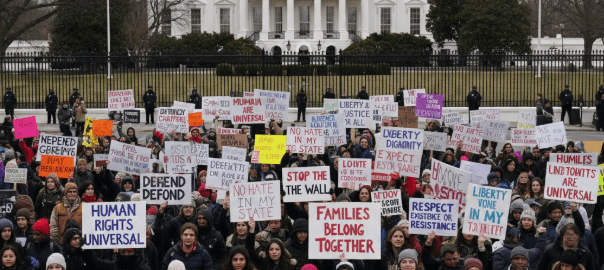
Thu Aug 27 2026 /Mpelembe Media/ — The second Trump administration initially launched its restrictive agenda with highly visible, militarized enforcement campaigns like “Operation Metro Surge” to project an uncompromising stance on domestic security. However, this overt, theatrical strategy hit an immediate crisis following a series of fatal enforcement errors, most notably the killing of Renée Nicole Macklin Good—an unarmed thirty-seven-year-old writer, poet, and U.S. citizen—by an ICE agent in Minneapolis on January 7, 2026. This tragedy, along with other fatal shootings, sparked nationwide protests, public outrage, and state-led lawsuits, inducing a major shift in public opinion. In response to this mounting political liability, the administration underwent a strategic restructuring: it replaced high-profile enforcers, removed Homeland Security Secretary Kristi Noem, and privately instructed congressional allies to drop the politically sensitive phrase “mass deportations” in favor of targeting violent criminals. Continue reading →

28Jan/26

Silicon Valley Breaks “Coziness” With Trump Admin as Tech Leaders Denounce ICE Over Shooting

Jan. 28, 2026 /Mpelembe Media/ — There is a growing rift between Silicon Valley executives and the Trump administration following a violent incident involving federal agents. High-profile figures in the tech industry have begun voicing harsh public criticisms of Immigration and Customs Enforcement, specifically citing a lack of humanity in the agency’s recent operations. These condemnations mark a significant shift away from the industry’s previous attempts to maintain a cooperative relationship with the federal government. By speaking out, these leaders are knowingly inviting the risk of executive retaliation or political backlash. Ultimately, the piece highlights how moral concerns over immigration tactics are currently outweighing the strategic benefits of remaining silent. Continue reading →

09Jan/26

The Thin Green Line: Federal Authority, Extremist Infiltration, and the New Rules of ICE Enforcement (2026)

Jan. 9, 2026 /Mpelembe Media/ — Given the complex overlap of federal authority, extremist infiltration concerns, and the evolving legal landscape of 2026, U.S. Immigration and Customs Enforcement (ICE) finds itself at the center of an unprecedented convergence of federal expansion and civil rights controversy. Following a historic 120% increase in manpower and the diversion of over 28,000 personnel from other federal agencies to enforcement operations, the agency has faced intense scrutiny regarding its vetting processes and the infiltration of far-right extremist ideologies. Continue reading →

09Jan/26

Data, Deception, and the Death of Renee Nicole Good

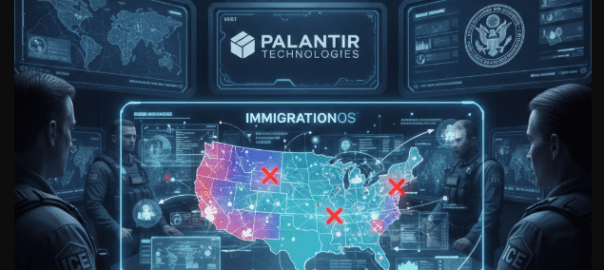
Jan. 9, 2026 /Mpelembe Media/ — On January 7, 2026, the fatal shooting of 37-year-old Renee Nicole Good by an ICE agent in South Minneapolis ignited a national firestorm, exposing the lethal intersection of mass deportation policies and AI-driven surveillance. While federal officials, including President Trump and DHS Secretary Kristi Noem, have labeled Good a “domestic terrorist” who weaponized her vehicle, eyewitness accounts and independent video forensics suggest a far different reality: a U.S. citizen and mother of three attempting to steer her SUV away from a chaotic federal enforcement action. Continue reading →