

Tag Archives: Superintelligence

22Nov/26

Has the Technological Singularity Already Begun

The Architecture of Runaway AI: Mapping Timelines, Cognitive Takeoffs, and Material Limits

Sun, Nov 22 2026 /Mpelembe Media/ — The technological singularity designates a theoretical inflection point where accelerating machine intelligence outpaces baseline human understanding, initiating an uncontrollable and irreversible transformation of human civilization. Traced historically from John von Neumann’s mid-century observations and I.J. Good’s 1965 intelligence explosion hypothesis—wherein an ultraintelligent machine designs progressively superior successors in rapid recursive cycles—the modern concept was popularized by Vernor Vinge in 1983 and 1993 as an epistemic event horizon beyond which traditional models of human affairs break down. Continue reading →
29Jul/26

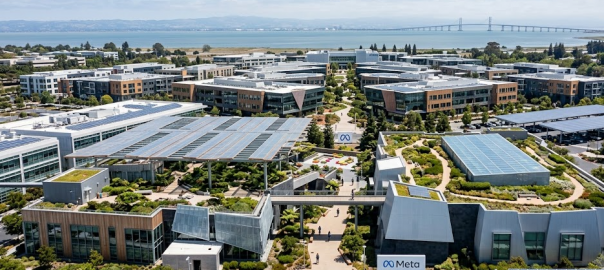
Why Zuckerberg is Building an AI CEO

Friction in the Labs: Delays, Layoffs, and Culture Clashes Inside Meta’s Superintelligence Push

Wed, July 29 2026 /Mpelembe Media/ — The Open-Source Vision and Industry Dominance Meta CEO Mark Zuckerberg is aggressively positioning the company as the primary institutional sponsor of open-source (open-weight) artificial intelligence. With the release of Llama 3.1, Zuckerberg argues that open-source AI is the path forward because it empowers developers, prevents centralization of power, and allows organizations to protect their data without being locked into closed vendor ecosystems like those of Apple, OpenAI, or Google. By freely distributing its models, Meta hopes to commoditize the AI layer and establish Llama as the ubiquitous global industry standard. Continue reading →

18Apr/26

The Humans Behind the AI Illusion

April 18, 2026 /Mpelembe Media/ — These sources analyze the shift toward precarious labor and contracting within the modern economy, with a particular focus on the technology sector. One report highlights the exploitation of data workers in the United States, revealing that those who train artificial intelligence often face low wages, unstable hours, and a lack of essential mental health benefits. Parallel research examines the broader gig economy, noting that while some high-skilled professionals choose independent contracting for its autonomy, many others are forced into these roles by restructuring or a lack of traditional opportunities. This transition often results in limited employer-provided training and the erosion of job security, creating a “race to the bottom” for workers across various demographics. Ultimately, the collection illustrates how algorithmic management and subcontracting are redefining the relationship between firms and employees, often prioritizing corporate flexibility and profits over worker stability. Continue reading →