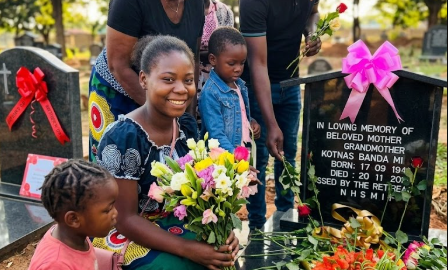
March 15, 2026 /Mpelembe Media/ — These sources explore different ways of honoring mothers through personal expression and cultural traditions. The first source features lyrics from Tupac Shakur, who offers a raw, emotional tribute to his mother’s resilience and sacrifices while raising him in poverty. In contrast, the second source provides a comparative look at how Mother’s Day is observed in Zambia versus the United Kingdom, noting differences in calendar systems and cultural focus. While the song emphasizes personal gratitude for a mother’s strength during hardship, the article explains the global diversity of the holiday’s timing and meaning. Together, they illustrate that maternal appreciation is a universal sentiment expressed through both individual storytelling and regional customs. Continue reading
Tag Archives: Zambia
Protecting Brands in Zambia: Powerful Customs Measures and New Arbitration Avenues
March 12, 2026 /Mpelembe Media/ — The African Regional Intellectual Property Organization (ARIPO) serves as a collaborative hub for 22 member nations to streamline the protection of patents, trademarks, and industrial designs through centralized protocols like the Harare Agreement. While ARIPO facilitates cross-border registration via digital tools and online gazettes, nations such as Zambia maintain their own robust legal frameworks, including the Industrial Property Act of 2017. Managed by PACRA, Zambia’s domestic system is currently transitioning to mandatory online trademark filings to improve administrative efficiency and align with international standards. Despite these modernizing efforts, experts argue for deeper regional integration within the Southern African Development Community (SADC) to better address public health and traditional knowledge. Current assessments, such as the Global Innovation Index, show that while Zambia shows strength in infrastructure, it still faces challenges in translating investments into high-level innovation outputs. Regional cooperation remains a vital strategy for these developing economies to pool limited resources and foster a predictable environment for global investors. Continue reading
Why AI Integration Depends on Zambian Copper
From Starlink to War Finance: Navigating the High-Stakes Paradox of the 2026 Economy
March 10, 2026 /Mpelembe Media/ — The provided text serves as a digital business and technology analysis hub known as the Mpelembe Network, focusing specifically on the African market. This platform highlights current global trends ranging from the geopolitical impact of war and inflation to advancements in artificial intelligence and satellite communications. It organizes content through a diverse system of trending tags that cover various academic disciplines, specific geographic regions, and major tech corporations. By bridging the gap between economic theory and modern innovation, the source offers a comprehensive view of the interconnected global economy. This specific snapshot emphasizes the growing importance of secure AI applications and data science within the modern business landscape. Continue reading
Starlink Direct-to-Cell: Global Deployment and Performance Analysis
Your Smartphone’s Next Roaming Partner is 350 Miles Up: 5 Surprising Realities of Starlink’s “Cell Towers in Space”
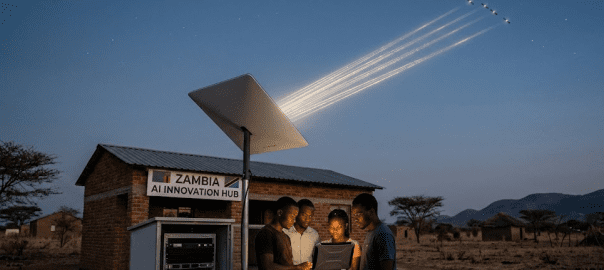
March 8, 2026 /Mpelembe Media/ — The provided sources examine the emergence and rapid expansion of Direct-to-Cell (D2C) technology, specifically focusing on Starlink’s efforts to provide Supplemental Coverage from Space (SCS). Research highlights that these satellite-based networks allow unmodified 4G LTE smartphones to connect directly to orbiting satellites, effectively eliminating terrestrial dead zones in remote areas like national parks. While initial commercial services in the United States and New Zealand focused on text messaging and emergency alerts, the technology is evolving to support voice, high-speed data, and IoT applications. Significant milestones include Airtel Africa and MTN Zambia partnering with SpaceX to launch services across the African continent, successfully piloting the first satellite-based fintech transactions. Despite technical hurdles like lower signal power and Doppler shifts, regulatory bodies worldwide are modernizing frameworks to accommodate this hybrid orbital-terrestrial model. Ultimately, these sources position D2C as a transformative tool for global digital inclusion, promising near-universal connectivity without the need for traditional ground infrastructure.
The Return of the Warriors: Inside Zambia’s Historic N’cwala Festival
28 Feb. 2026 /Mpelembe Media/ — The N’cwala (or Nc’wala) ceremony is a major annual cultural festival celebrated by the Ngoni people of Zambia’s Eastern Province. Held every year on the last Saturday of February at Mtenguleni village near Chipata, it primarily serves as a thanksgiving festival for the first fruits of the harvest and an occasion to pay homage to God, ancestral spirits, and the Paramount Chief Mpezeni. Continue reading
Beyond English: Scaling Zambia’s Local-Language AI Ecosystem for National Impact
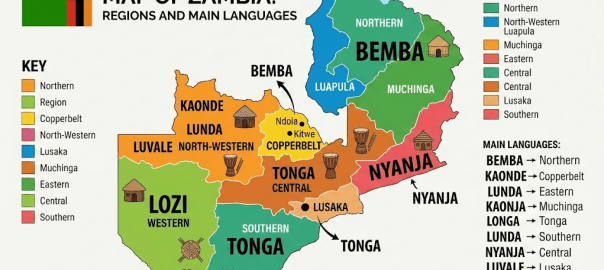
Understanding Zambia: Demographics, Linguistic Diversity, and the Push for AI
28 Feb. 2026 /Mpelembe Media/ — The artificial intelligence revolution is occurring primarily in English, which structurally excludes people who rely on local languages for their daily lives and deepens existing inequalities. Developing AI systems that “speak” local languages can bridge critical gaps in healthcare and education in the following ways: Continue reading
Leaked $1bn US-Zambia Health Deal Sparks Outrage Over Data and Mining Demands
25 Feb. 2026 /Mpelembe Media/ — A leaked draft of a $1bn health financing agreement between the US and Zambia has provoked widespread backlash and accusations of “shameless exploitation”. Under the proposed memorandum of understanding, Washington would provide health funding in exchange for severe and unprecedented conditions that advocates argue are vastly worse than deals struck with other African nations. Continue reading
Analyzing Zambia’s Progress: An Interview with Hakainde Hichilema
Zambia’s Strategic Evolution: From Landlocked to Land-Linked Economic Powerhouse
25 Feb. 2026 /Mpelembe Media/ — This is an analysis of John McDermott, The Economist chief Africa correspondent
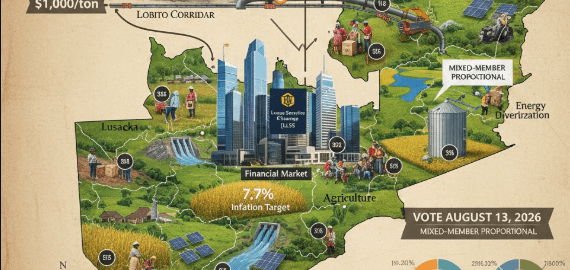
interview with Zambian President Hakainde Hichilema (often referred to as “HH”) ahead of the country’s upcoming August elections,. Hichilema is urging voters to “stay the course,” arguing that his administration has made significant strides in repairing the damage left by his predecessor, Edgar Lungu. He highlights several achievements, including securing a debt restructuring deal, delivering free education, enacting liberal reforms in power and agriculture, and initiating major infrastructure projects like the Lobito Corridor and Tazara railway renovations to transform Zambia into a “land-linked” nation. He also aims for the country to reach 1 million tonnes of copper production this year. Continue reading
Securing the Cyberspace: The Impact of Zambia’s 2025 Cyber Laws on Security and Civil Liberties
Zambia’s Digital Vault: 6 Takeaways from the New Cybersecurity Revolution
Feb. 24, 2026 /Mpelembe Media/ –Zambia is currently undergoing a rapid digital transformation characterized by the expansion of financial technology (FinTech), increased internet penetration, and a concerted government push toward a digital economy. However, this growth has been accompanied by a surge in cyber threats, including massive financial fraud, online scams, and critical data breaches. In response, the Zambian government overhauled its legal framework by enacting the Cyber Security Act (2025) and the Cyber Crimes Act (2025). While the government champions these laws as necessary for national security and child online protection, civil society and digital rights advocates warn that the legislation grants the state sweeping surveillance powers, threatening freedom of expression, privacy, and democratic participation Continue reading
Vionde Music Mixtapes: From 1970s Zamrock to Modern Zed Beats
Why We Sing: The Hidden Science of Love, Zambia’s Golden Soul, and the Art of the Perfect Mixtape
Feb 13, 2026 /Mpelembe media/ — The impulse to share a specific song with a partner is among our most enduring romantic rituals, yet it represents a profound transition in the human experience: the shift from music as a fleeting acoustic performance to music as a curated, tangible artifact. This act of intentional construction is not merely about entertainment; it is the building of a “sonic identity” that serves as a physical representation of intimacy. To understand why music maintains such a visceral grip on our romantic lives, we must look to the intersection of evolutionary ontogeny and cultural heritage. From the rhythmic scaffolding of our ancestors to the “Golden Soul” of 1970s Zambia, music functions as a sophisticated toolkit designed to signal fitness, accelerate trust, and preserve our collective “affective heritage.”