
Tag Archives: Karl Marx

29Aug/26

Notting Hill Carnival’s Radical DIY Roots

Sixty Years of Resistance, Culture, and Celebration: Proposed Headlines

Sat Aug 29 2026 /Mpelembe Media/ — From Resistance to Revelry: How Racial Justice and the Windrush Generation Birthed Europe’s Greatest Street Festival The Sound of Sovereignty: Claudia Jones, Duke Vin, and the Radical Pioneers of Carnival Claiming the Streets: The Sixty-Year Journey and Diamond Jubilee of the Notting Hill Carnival

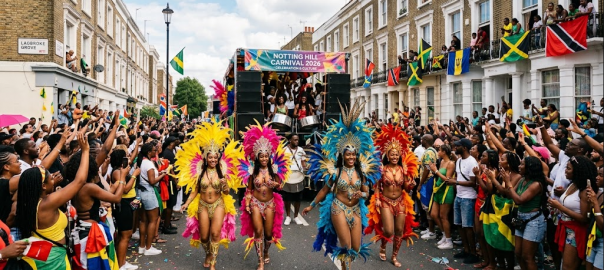
The Notting Hill Carnival was born out of a crucible of racial tension, discrimination, and active community resistance during the post-war Windrush era. Following the arrival of Caribbean migrants to West London, systemic prejudices such as the informal “colour bar” and housing exploitation in overcrowded slums created an increasingly hostile environment. In August 1958, these racial tensions erupted in violent riots across Notting Hill and Nottingham as white mobs attacked Black residents and their homes. The crisis deepened in May 1959 with the brutal, racially motivated murder of Kelso Cochrane, a thirty-two-year-old Antiguan carpenter. Cochrane’s death became a historic symbol of racial injustice, prompting over 1,200 people to march in solidarity at his funeral, which galvanized Black British civil rights activism across London. Continue reading
09Apr/26

TACO” (Trump Always Chickens Out) trade theory

Greedflation and the Global Market: How Empty Ultimatums are Costing the Consumer

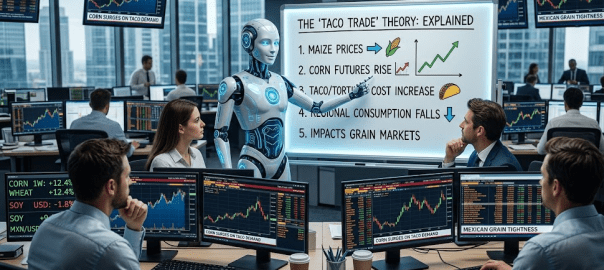
April 9, 2026 /Mpelembe Media/ —  The analysis explores the geopolitical and economic volatility surrounding the 2025–2026 trade policies of the Trump administration, specifically focusing on the “Taco trade” theory. This investment strategy, standing for “Trump Always Chickens Out,” suggests that markets often rally following aggressive tariff threats because traders anticipate a subsequent retreat or moderation. While some financial analysts view these maneuvers as negotiating tactics, macroeconomic reports warn of a “tax on certainty” that drives inflation and disrupts global supply chains. The texts also detail specific international frictions, such as 100% tariffs on Chinese goods and military tensions with Iran, which impact energy prices and strategic mineral control. Additionally, regional reactions are captured through public discourse in Louisiana regarding political monuments and legislative priorities. Collectively, the sources examine how authoritarian populism and executive discretion have transformed the global trade landscape into a transactional, high-stakes environment.

Continue reading