Greedflation and the Global Market: How Empty Ultimatums are Costing the Consumer
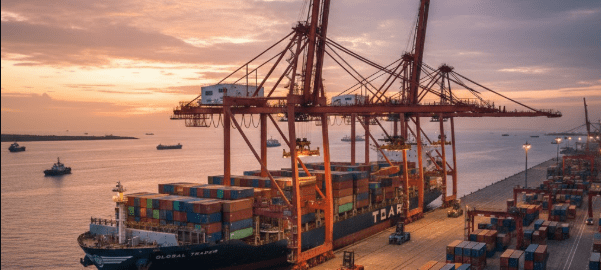
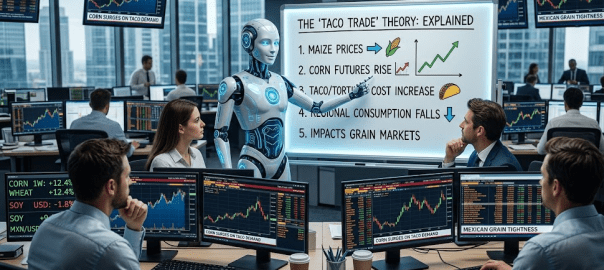
April 9, 2026 /Mpelembe Media/ — The analysis explores the geopolitical and economic volatility surrounding the 2025–2026 trade policies of the Trump administration, specifically focusing on the “Taco trade” theory. This investment strategy, standing for “Trump Always Chickens Out,” suggests that markets often rally following aggressive tariff threats because traders anticipate a subsequent retreat or moderation. While some financial analysts view these maneuvers as negotiating tactics, macroeconomic reports warn of a “tax on certainty” that drives inflation and disrupts global supply chains. The texts also detail specific international frictions, such as 100% tariffs on Chinese goods and military tensions with Iran, which impact energy prices and strategic mineral control. Additionally, regional reactions are captured through public discourse in Louisiana regarding political monuments and legislative priorities. Collectively, the sources examine how authoritarian populism and executive discretion have transformed the global trade landscape into a transactional, high-stakes environment.