Tag Archives: Tehran

17Jun/26

How bulldozers beat Operation Epic Fury

The 2026 US-Iran Interim Peace Agreement and Its Fallout

Wed, Jun 17 2026 /Mpelembe Media/ — In June 2026, the United States, under the Trump administration, and Iran agreed to an interim peace deal to halt a devastating four-month conflict that began in February. While the White House has attempted to frame the ceasefire as a victory that will reopen the Strait of Hormuz, geopolitical analysts and international media overwhelmingly characterize the war as one of the greatest strategic blunders in modern US history. The conflict cost the US an estimated $30 billion, resulted in the loss of advanced military hardware, and caused over 7,000 deaths, primarily in Iran and Lebanon. Continue reading

08Jun/26

Playing with Fire: How the 2026 Direct Conflict Reshaped the Middle East and Paralyzed Global Markets

Iran’s 2026 Systemic Collapse

The sources detail a massive geopolitical and economic upheaval centering around the 2026 Iran War, which fundamentally altered the Middle East and the global economy.

Sat, Jun 05 2026 /Mpelembe Media/ — The Geopolitical and Military Conflict: By early 2026, the long-standing “shadow war” between Israel and Iran erupted into a direct, high-intensity conflict. Driven by fears that Iran was mere days away from possessing weapons-grade uranium for a nuclear bomb, Israel and the United States launched unprecedented military strikes targeting Iranian nuclear facilities, air defenses, and energy infrastructure. This followed Israel’s systematic degradation of Iran’s “Axis of Resistance,” including the severe weakening of Hezbollah and Hamas, and the collapse of the Assad regime in Syria. Continue reading

09Apr/26

TACO” (Trump Always Chickens Out) trade theory

Greedflation and the Global Market: How Empty Ultimatums are Costing the Consumer

April 9, 2026 /Mpelembe Media/ —  The analysis explores the geopolitical and economic volatility surrounding the 2025–2026 trade policies of the Trump administration, specifically focusing on the “Taco trade” theory. This investment strategy, standing for “Trump Always Chickens Out,” suggests that markets often rally following aggressive tariff threats because traders anticipate a subsequent retreat or moderation. While some financial analysts view these maneuvers as negotiating tactics, macroeconomic reports warn of a “tax on certainty” that drives inflation and disrupts global supply chains. The texts also detail specific international frictions, such as 100% tariffs on Chinese goods and military tensions with Iran, which impact energy prices and strategic mineral control. Additionally, regional reactions are captured through public discourse in Louisiana regarding political monuments and legislative priorities. Collectively, the sources examine how authoritarian populism and executive discretion have transformed the global trade landscape into a transactional, high-stakes environment.

Continue reading

08Apr/26

The Fragile 2026 Iran War Ceasefire

Global Markets Rally as U.S. Halts Operation Epic Fury for Islamabad Negotiations

April 8, 2026 /Mpelembe Media/ — The 2026 war in the Middle East has reached a critical diplomatic turning point following a provisional two-week ceasefire between the United States and Iran, agreed upon on April 7, 2026. The truce, brokered through the mediation of Pakistani officials, was reached less than two hours before President Donald Trump’s deadline to launch devastating strikes against Iranian power plants and bridges. Prior to the agreement, Trump had escalated his rhetoric to unprecedented levels, warning that “a whole civilization will die” if Iran did not reopen the vital Strait of Hormuz to global shipping.

Continue reading

06Apr/26

Why Friction Prevents Escalation

U.S. politicians across the political spectrum have reacted with intense alarm to the President’s recent expletive-laden threats toward Iran, with several questioning his mental fitness for office.

April 6, 2026 /Mpelembe Media/ — The current conflict between the United States, Israel, and Iran began in late February 2026 with joint U.S.-Israeli “preemptive” military strikes on Iran, aiming to either eliminate the country’s nuclear capabilities or force regime change. In retaliation, Iran launched drones and ballistic missiles against Israel, as well as U.S. military targets located in the Gulf States and Jordan. Now in its sixth week, the war has severely destabilized the Middle East, killing over 3,500 people across the region—including more than 1,900 in Iran and 1,400 in Lebanon—while displacing millions. Continue reading

10Mar/26

How Operation Epic Fury Fractured Iran

The “Epic Fury” Fallout: 6 Takeaways That Are Redefining the Middle East

10 Feb. 2026 /Mpelembe Media/ —  These reports detail a 2026 military escalation involving coordinated U.S. and Israeli air strikes against Iran under the Trump administration. Operation “Epic Fury” resulted in the death of Supreme Leader Ali Khamenei and the destruction of significant nuclear and missile infrastructure, prompting Iranian retaliation against Israel and Gulf states. Experts describe the American strategy as maximalist but improvised, noting a lack of clear plans for regime change or post-war governance. The conflict has triggered global economic anxiety due to potential disruptions in the Strait of Hormuz and surging energy prices. Regional security is further complicated by Hezbollah’s involvement in Lebanon and the selection of Mojtaba Khamenei as Iran’s new hardline leader. Ultimately, the sources highlight a strategic dilemma for Washington: balancing the desire for a decisive victory against the risk of an endless regional war. Continue reading

10Mar/26

Anthropic Sues Pentagon Over “Unlawful” Blacklist in Major AI Ethics Showdown

The $200 Million Red Line: 5 Surprising Truths Behind the Anthropic-Pentagon War

March 10, 2026 /Mpelembe Media/ —  The conflict between artificial intelligence company Anthropic and the U.S. government escalated into a major legal and public battle after the company refused to allow its Claude AI model to be used for mass domestic surveillance or fully autonomous lethal weapons. The Pentagon demanded an unrestricted “any lawful use” clause, and when Anthropic refused to yield, the Trump administration retaliated aggressively.

Continue reading

07Mar/26

How is the U.S.-Israel-Iran conflict reshaping the global economy?

March 7, 2026 /Mpelembe Media/ — Geopolitical Risk Report: The 2026 West Asian Realignment and the Collapse of Regional Diplomacy

The U.S.-Israel-Iran conflict is triggering severe shocks across the global economy, primarily through disruptions to energy supplies, international trade routes, financial markets, and critical technology infrastructure.

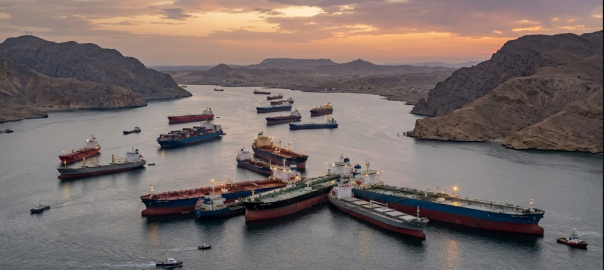
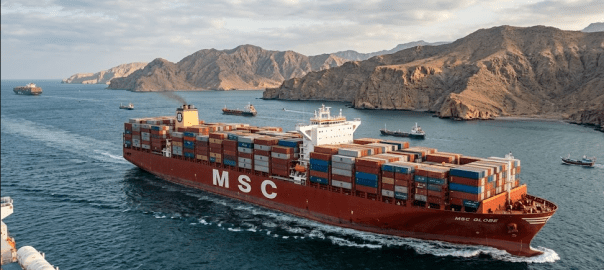
Energy Market Upheaval The most immediate economic threat stems from rising energy prices due to the disruption of the Strait of Hormuz—a crucial maritime chokepoint that normally handles about one-fifth of the world’s oil and liquefied natural gas (LNG). Following Iranian threats, commercial shipping through the strait has slowed to a near-standstill, with tanker traffic dropping by about 90% and multiple insurance firms canceling coverage for Gulf vessels. Continue reading

02Mar/26

A Region on the Brink: Stranded Civilians, Evacuation Chaos, and Suspended Aid in the Middle East

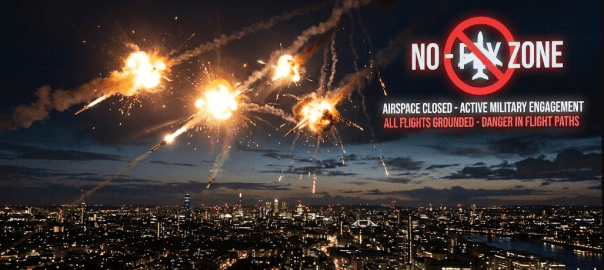
Hundreds of Thousands Stranded: Middle East Airspace Shutdown and Strait of Hormuz Closure Paralyze Global Transit

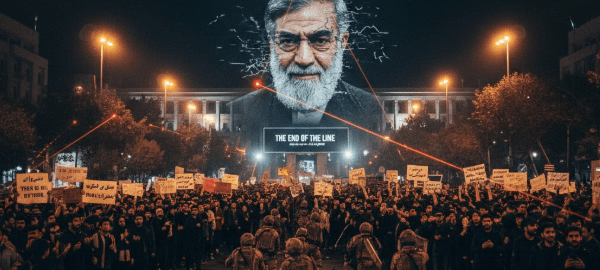
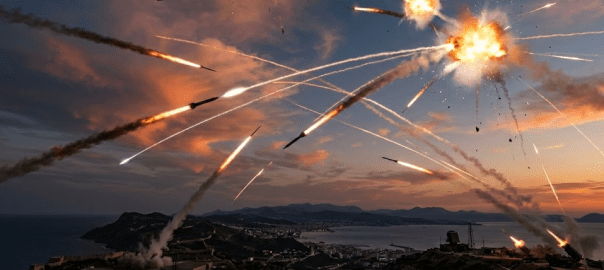
March 2, 2026 /Mpelembe Media/ — The United States and Israel launched a massive, coordinated military campaign—codenamed Operation Epic Fury and Operation Lion’s Roar—against the Islamic Republic of Iran. The coalition conducted nearly 900 strikes in the first 12 hours, targeting Iranian air defenses, missile production facilities, and IRGC command centers. The strikes successfully assassinated Supreme Leader Ali Khamenei and dozens of top Iranian military and government officials. In retaliation, Iran launched “Operation True Promise 4,” firing waves of ballistic missiles and drones at Israel and US military installations across the Persian Gulf, including bases in Qatar, Bahrain, Kuwait, and the UAE.

Continue reading

02Mar/26

Global Transit in Chaos: War in Iran Triggers Massive Airspace Closures and Threatens Energy Markets

Middle East in Turmoil: US-Israeli Strikes Kill Khamenei, Triggering Iranian Retaliation and Global Transit Paralysis

March 2, 2026 /Mpelembe Media/ — On February 28, 2026, the United States and Israel launched a massive, coordinated military campaign against Iran, targeting the country’s leadership, nuclear facilities, and military infrastructure. The strikes resulted in the assassination of Supreme Leader Ali Khamenei and dozens of top Iranian military and government officials, severely degrading the regime’s command-and-control structure. Continue reading