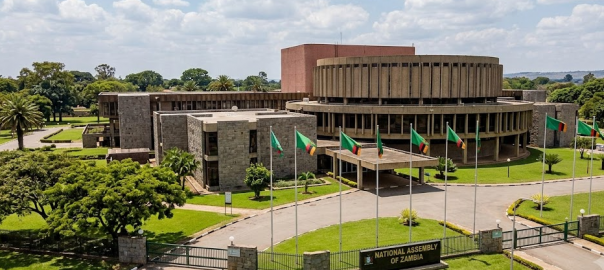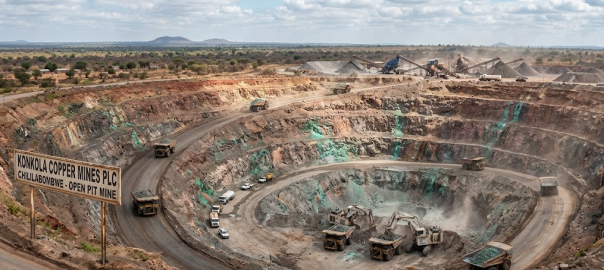
For Zambian voters, the 2026 election represents a critical choice balancing long-term macroeconomic recovery against immediate, severe household pressures. While President Hakainde Hichilema’s administration successfully restructured the nation’s default-era debt and introduced popular programs like universal free education, ordinary citizens are heavily squeezed by a high cost of living, rising food costs, and inflation exacerbated by a historic drought. A primary concern voters should watch out for is the post-election handling of the country’s structural electricity crisis. To avoid grueling 20-hour blackouts during the campaign cycle, the state utility ZESCO has relied on costly emergency regional power imports. Because this spending is fiscally unsustainable, voters face the high risk of a post-election fiscal correction, which will likely involve steep, inflation-inducing retail tariff hikes or a return to severe load-shedding. Furthermore, due to widespread grassroots dissatisfaction with local representation, there is a strong potential for split-ticket voting, meaning voters may back the incumbent president while actively rejecting sitting members of parliament and local councilors. Continue reading
03Aug/26