From Dance Mats to Club Bangers: The Evolution of Nightlife Narratives and Social Chemistry in Pop Music
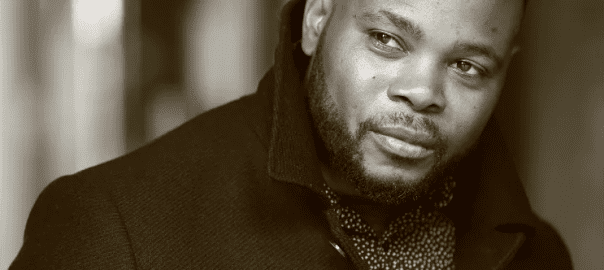
Sat Oct. 16, 2026 /Mpelembe Media/ — Modern nightlife in contemporary popular music functions as a dynamic microcosm of youth culture, where crowded dance floors, late-night bars, and house parties become vibrant stages for complex emotional negotiations and romantic chemistry. Across featured tracks like Chisenga’s “Loco feat. Joyce Tanmuoh,” artists capture energetic club settings where crowded dance floors, penthouse after-parties, and complicated relationship statuses form the backdrop for unexpected romantic connections. A key narrative device identified across these works is the spectator-protagonist, an individual who balances active participation in collective party rituals with an internal observation of peer dynamics and romantic desire. Works such as Brynn Cartelli’s “Girl Code,” Olivia Rodrigo’s “bad idea right?”, and Ed Sheeran’s “Shape of You” illustrate this tension by contrasting the social safety of friend circles against the impulsive pull of immediate physical attraction, ex-partner relapses, or late-night courtship. Continue reading →
Studio Alchemy and the Technological Architecture of the 1980s
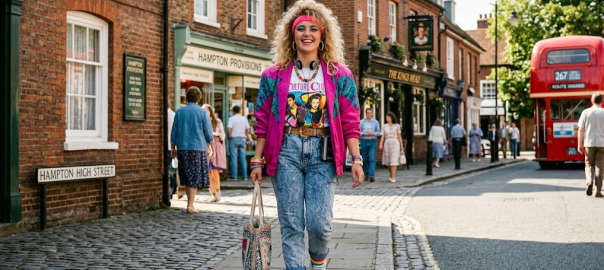
Sun 13 2026 /Mpelembe Media/ —The sonic landscape of 1980s pop music was fundamentally reshaped by studio experimentation and technological breakthroughs, most famously exemplified by the discovery of gated reverb. In late 1979 at Virgin’s Townhouse Studios in London, during sessions for Peter Gabriel’s third solo album, drummer Phil Collins was instructed to play without cymbals while experimenting with rhythms for the song “Intruder”. Recording engineer Hugh Padgham accidentally activated the Solid State Logic (SSL) 4000 console’s heavily compressed reverse-talkback listen microphone hanging in the reflective “Stone Room”. The resulting explosive room ambience was gated and triggered by the close-mic drum signal, causing the dense reverberation to slam shut into immediate silence the moment the signal dropped. This artificial, punchy drum sound became the signature acoustic signature of the decade, catapulted into mainstream culture by Phil Collins’ “In the Air Tonight” and subsequently emulated via digital hardware like the AMS RMX16 processor. The technique defined 1980s pop production and has experienced periodic modern revivals by contemporary artists such as Haim, Lorde, and Beyoncé. Continue reading →
The Phoenix of the Bronx: From 1970s Block Parties to the Olympic Games and Broadway
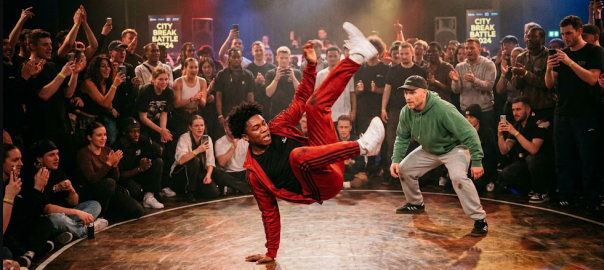
Sat, May 30 2026 /Mpelembe Media/ — The Origins of Street Dance Hip-hop dance originated in the 1970s as a powerful form of self-expression and community building for marginalized youth. In the South Bronx, African American and Puerto Rican teenagers developed breaking (b-boying/b-girling) as a creative outlet and a peaceful alternative to territorial gang violence. Concurrently, West Coast dancers in California independently invented “funk styles,” such as popping and locking, which were originally danced to funk music rather than hip-hop. Continue reading →
Decoding the Dance: How the Crip Walk Transformed from a Secret Gang Code to Global Entertainment
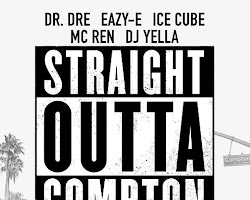
April 3, 2026 /Mpelembe Media/ — The C-Walk, originally known as the Crip Walk, was developed in 1970s Compton by gang member Robert “Sugar Bear” Jackson as a complex, non-verbal “secret code”. It utilized precise footwork to spell out gang identifiers like “C-R-I-P” and visually cross out the names of rival gangs. During the 1990s, West Coast hip-hop artists like Snoop Dogg and WC popularized the dance, transforming it from a localized ritual into a mainstream symbol of regional pride.
/Music/ — Now That’s What I Call Music (NOW) is a compilation series of popular music released in the United Kingdom since 1983. The series is known for its eclectic mix of genres, including pop, rock, dance, and R&B. NOW has been a popular source of music for young people in the UK for many years, and it has played a significant role in British pop culture.
The Origins of NOW
The idea for NOW was conceived by Virgin Records executive Simon Draper in 1982. Draper was inspired by the success of a similar series in the US called “K-Tel Records.” Draper believed that there was a market for a compilation series that featured the biggest hits of the day.
The first NOW album was released in 1983 and was an instant success. It sold over 1 million copies in the UK and topped the charts for 30 weeks. The album’s success was due in part to its strong tracklisting, which featured hits from artists such as Culture Club, Duran Duran, and Michael Jackson.
NOW’s Influence on British Pop Culture
NOW has had a significant impact on British pop culture for many years. The series has helped to launch the careers of many successful artists, including Oasis, Blur, and Spice Girls. NOW has also been a major force in the development of British dance music.
The series has been praised for its ability to capture the zeitgeist of British music. NOW albums have always been a reflection of the current musical landscape, and they have helped to define the sound of British pop music for many years.
NOW in the 21st Century
NOW is still a popular series today. The latest album, NOW 113, was released in 2023. NOW has also expanded into other areas, such as television and DVD.
The series is still significant in British pop culture because it continues to provide a snapshot of the current musical landscape. NOW is a valuable resource for anyone who wants to stay up-to-date on the latest music trends.
Here are some of the reasons why NOW is still significant in British pop culture:
It is a reflection of the current musical landscape.
It is a source of new music for young people.
It has helped to launch the careers of many successful artists.
It is a major force in the development of British dance music.
It is a valuable resource for anyone who wants to stay up-to-date on the latest music trends.
On August 11 1973, DJ Kool Herc and his sister Cindy threw the now legendary Back To School jam in the recreation room of 1520 Sedgewick Avenue in The Bronx, New York.
Herc’s party represented a coming together of music and the start of something new. The Bronx crowd did not want the dancehall sounds Herc had begun to play. They wanted soul and the tough percussion of funk. So, Herc changed up the sound and used the main switch for the lights like a strobe-light to add atmosphere. Little did they know, that his event would be commonly accepted by the hip-hop fraternity worldwide as the starting point of what was to become one of the most important creative movements of the last century.
July 31, 2023 /Entertainment/ — Hip hop has come a long way since its humble beginnings in the Bronx in the 1970s. It has evolved from a local street art form to a global phenomenon that encompasses all cultures and generations.
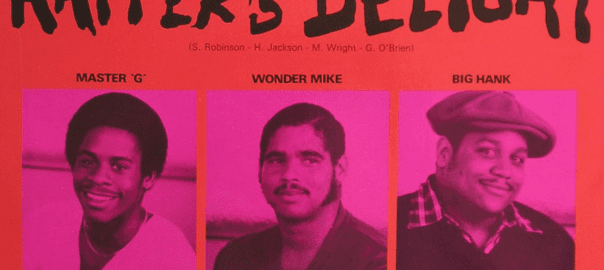
There are a number of factors that have contributed to hip hop’s rise to popularity. One of the most important factors was the release of the Sugarhill Gang’s “Rapper’s Delight” in 1979. This song was the first rap single to reach the top 40 of the Billboard charts, and it helped to introduce hip hop to a wider audience. Continue reading →
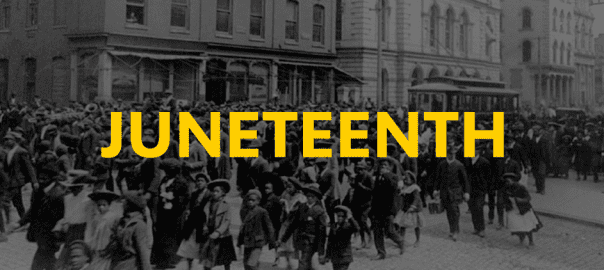
June 19, 2023 /Social/ — Juneteenth, also known as Freedom Day or Emancipation Day, is a federal holiday in the United States commemorating the end of slavery in the country. The holiday falls on June 19, which is the date in 1865 when Union soldiers arrived in Galveston, Texas to announce that the enslaved people in the state were free, two and a half years after the Emancipation Proclamation was signed.
Juneteenth has been celebrated by African Americans since the late 1800s, and it became a state holiday in Texas in 1980. In the decades since, every state but South Dakota has formally recognized Juneteenth as a state or ceremonial holiday. In 2021, President Joe Biden signed a bill making Juneteenth a federal holiday. Continue reading →