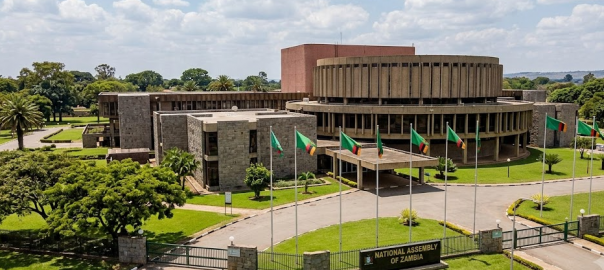
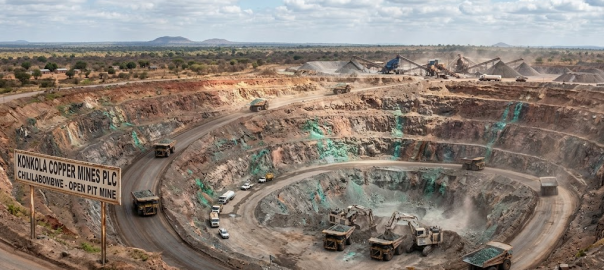
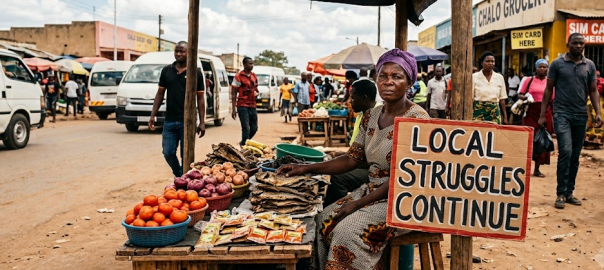
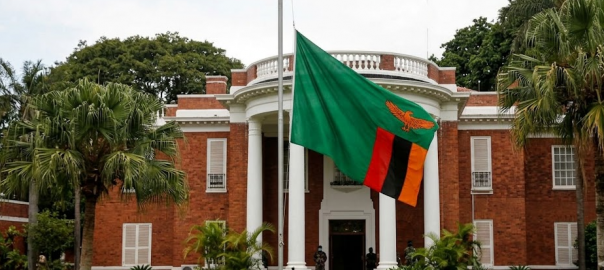
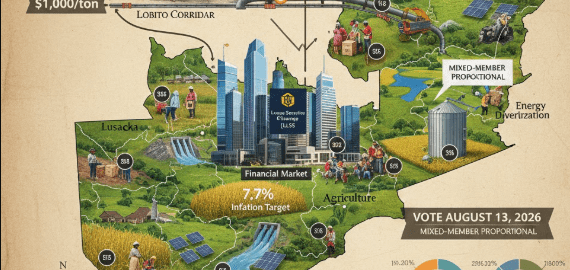
For Zambian voters, the 2026 election represents a critical choice balancing long-term macroeconomic recovery against immediate, severe household pressures. While President Hakainde Hichilema’s administration successfully restructured the nation’s default-era debt and introduced popular programs like universal free education, ordinary citizens are heavily squeezed by a high cost of living, rising food costs, and inflation exacerbated by a historic drought. A primary concern voters should watch out for is the post-election handling of the country’s structural electricity crisis. To avoid grueling 20-hour blackouts during the campaign cycle, the state utility ZESCO has relied on costly emergency regional power imports. Because this spending is fiscally unsustainable, voters face the high risk of a post-election fiscal correction, which will likely involve steep, inflation-inducing retail tariff hikes or a return to severe load-shedding. Furthermore, due to widespread grassroots dissatisfaction with local representation, there is a strong potential for split-ticket voting, meaning voters may back the incumbent president while actively rejecting sitting members of parliament and local councilors. Continue reading
Tag Archives: Hakainde Hichilema
How Copper Debt Poisoned Zambian Democracy
From Reform to Repression: Zambia’s Authoritarian Turn Under the Shadow of Digital Neo-Colonialism
Mon, Aug 01 2026 /Mpelembe Media/ — The abrupt cancellation of RightsCon 2026 in Lusaka, Zambia, just days before its scheduled opening in May 2026, has exposed the profound intersection of foreign coercion and domestic democratic erosion. Although the Zambian government officially claimed the postponement was to ensure alignment with “national values,” organizers and independent reports revealed that the cancellation was directly triggered by immense pressure from the Chinese Communist Party. Chinese diplomats essentially leveraged their vast economic investments in the country to demand the exclusion of Taiwanese civil society delegates and the moderation of panels critical of Beijing’s digital authoritarianism. Because the conference was slated to be held in a facility donated by the Chinese government, and coincided with negotiations over critical development grants, the Zambian state capitulated to these extraterritorial censorship demands. Continue reading
Zambia’s 2026 battle over development receipts
Sat, Aug 01 2026 /Mpelembe Media/ — The 2026 elections are unfolding within a
new governance paradigm that prioritizes decentralized development and performance-based outcomes over traditional dynastic patronage and performative rhetoric. The unprecedented expansion of the Constituency Development Fund (CDF)—which increased allocations per constituency from K1.6 million in 2021 to K40 million in 2026—has made localized, tangible development the primary test of political legitimacy. Consequently, the path to public office in 2026 will likely be determined by a candidate’s proven record of local service, effective management of public resources, and engagement in evidence-based campaign discourse, rather than relying on hereditary claims or social media influence. Continue reading
How Green Copper Overthrew Zambia’s Democracy
The Restroom Negotiations: How a Canadian Mining Giant Bought a Presidency and Rewrote Zambia’s Laws
Wed, July 22 2026 /Mpelembe Media/ — The provided documents explore the essential role of the mining industry in the global transition toward a low-carbon economy, particularly the rising demand for transition minerals. These sources emphasize that while mineral extraction underpins a vast portion of global wealth, it simultaneously presents significant environmental and social risks, such as habitat loss, water stress, and human rights concerns. To address these challenges, the Global Investor Commission on Mining 2030 outlines a framework for institutional investors to use their financial influence to promote responsible operations. By prioritizing capital allocation and active stewardship, investors can encourage better safety standards, equitable benefit distribution, and the adoption of circular economy principles. Ultimately, the reports argue that a strategic “reset” of the relationship between finance and mining is necessary to ensure the industry leaves a positive legacy for host communities. These materials serve as a roadmap for achieving a sustainable mining sector that balances industrial growth with ecological and ethical boundaries. Continue reading
Guy Scott: The Life and Legacy of a Zambian Statesman
The Return of the Warriors: Inside Zambia’s Historic N’cwala Festival
28 Feb. 2026 /Mpelembe Media/ — The N’cwala (or Nc’wala) ceremony is a major annual cultural festival celebrated by the Ngoni people of Zambia’s Eastern Province. Held every year on the last Saturday of February at Mtenguleni village near Chipata, it primarily serves as a thanksgiving festival for the first fruits of the harvest and an occasion to pay homage to God, ancestral spirits, and the Paramount Chief Mpezeni. Continue reading
Leaked $1bn US-Zambia Health Deal Sparks Outrage Over Data and Mining Demands
25 Feb. 2026 /Mpelembe Media/ — A leaked draft of a $1bn health financing agreement between the US and Zambia has provoked widespread backlash and accusations of “shameless exploitation”. Under the proposed memorandum of understanding, Washington would provide health funding in exchange for severe and unprecedented conditions that advocates argue are vastly worse than deals struck with other African nations. Continue reading
Analyzing Zambia’s Progress: An Interview with Hakainde Hichilema
Zambia’s Strategic Evolution: From Landlocked to Land-Linked Economic Powerhouse
25 Feb. 2026 /Mpelembe Media/ — This is an analysis of John McDermott, The Economist chief Africa correspondent
interview with Zambian President Hakainde Hichilema (often referred to as “HH”) ahead of the country’s upcoming August elections,. Hichilema is urging voters to “stay the course,” arguing that his administration has made significant strides in repairing the damage left by his predecessor, Edgar Lungu. He highlights several achievements, including securing a debt restructuring deal, delivering free education, enacting liberal reforms in power and agriculture, and initiating major infrastructure projects like the Lobito Corridor and Tazara railway renovations to transform Zambia into a “land-linked” nation. He also aims for the country to reach 1 million tonnes of copper production this year. Continue reading
A Democratic Sea Change: Africa’s 2026 Election Calendar
Jan. 25, 2026 /Mpelembe Media/ — The year 2026 represents a critical juncture for African democracy as numerous nations across the continent prepare for high-stakes elections. While countries like Zambia and Benin face tests of institutional integrity and leadership transitions, others such as Uganda and Ethiopia continue to struggle with political suppression and internal conflict. Long-standing leaders in the Republic of the Congo and Djibouti maintain their grip on power, whereas nations like Libya and South Sudan face deep uncertainty regarding their ability to hold votes at all. These upcoming polls occur against a backdrop of regional instability and varying levels of public trust in the electoral process. Ultimately, the collective results of these contests will determine if the continent is moving toward a systemic democratic shift or further entrenched authoritarianism. Through this comprehensive calendar, the source highlights the diverse political challenges and socioeconomic factors shaping the future of African governance. Continue reading
2026 Risk Report: Zambia’s Economic & Political Outlook
Jan. 8, 2026 /Mpelembe Media/ — In 2026, Zambia is positioned at a critical crossroads, transitioning from a period of climate-induced shocks (2024–2025) into a high-growth phase. The economy is projected to expand by 6.4%, a “rebound” driven primarily by a resurgence in the mining sector as copper production targets 1 million metric tons. This growth is supported by a more stable agricultural season and a strategic pivot toward renewable energy to mitigate future power deficits. Continue reading