
Tag Archives: Intelligence

28Jul/26

Why innovation needs useless knowledge

The Power of Curiosity: Why “Useless” Knowledge is the Engine of Human Progress

Tue, July 28 2026 /Mpelembe Media/ — This is a comprehensive analysis of the distinction between basic and applied research, outlining their unique motivations, methodologies, and societal roles. Basic research is described as a curiosity-driven endeavor aimed at expanding the frontiers of human knowledge and establishing theoretical foundations without immediate concern for utility. In contrast, applied research focuses on utilizing existing scientific frameworks to engineer practical solutions for specific, real-world challenges. The articles emphasize that these two approaches exist on a dynamic continuum, where fundamental discoveries frequently pave the way for later technological and medical breakthroughs. By examining various disciplines such as medicine, social sciences, and engineering, the texts illustrate how a balanced research ecosystem relies on the symbiotic relationship between pure intellectual inquiry and targeted problem-solving. Ultimately, the collection highlights that while their timelines and goals differ, both forms of investigation are essential for continuous innovation and the advancement of the human condition. Continue reading


09Jul/26

The Trap of Intelligent Stupidity

The Scientific Taxonomy of Mind: Intelligence vs. Stupidity

Thur, July 09 2026 /Mpelembe Media/ —  According to complex systems theorist David C. Krakauer, the common assumption that stupidity is merely a passive vacancy of thought is fundamentally incorrect. Standard psychometrics, such as IQ tests, attempt to reduce cognitive value to a single price-like metric, which is as reductionist as trying to understand the artistic value of a Picasso masterpiece solely by its auction price. Continue reading

03Mar/26

How DNA and Smartwatches Rewrite Health Insurance

March 2, 2026 /Mpelembe Media/ — By 2042, the global scientific community has undergone a profound transformation, shifting from a rigid, standardized “directed science” model to a “radically exploratory” paradigm. This evolution was catalyzed by a terrifying “crisis decade” (2026–2035) marked by intense political hostility, institutional stagnation, and the deadly resurgence of preventable diseases—like measles and whooping cough—due to declining vaccination rates. Forced to self-reflect, the scientific community rebuilt public trust by abandoning the pretense of absolute objectivity and instead embracing humility, uncertainty, and methodological pluralism.

Continue reading

14May/23

Hackers are just like anyone else

May 14, 2023 /Developers/ — There is no evidence to suggest that high IQ people are more likely to be dangerous or to have mental issues. In fact, studies have shown that people with high IQs are actually less likely to commit crimes or to have mental health problems. Continue reading

30Jan/23

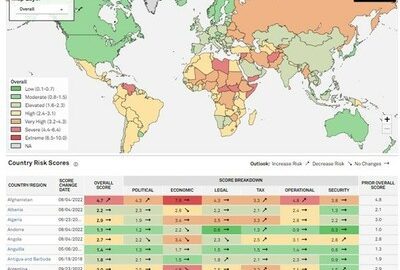
S&P Global Market Intelligence Launches Country Risk Scores & Economic Data and Insights on S&P Capital IQ Pro

S&P Global Market Intelligence, a provider of information services and solutions to global markets, today announced the launch of Country Risk Scores and Economic data and insights on its S&P Capital IQ Pro platform. This new enhancement will include high level country risk scores, country summaries and macroeconomic indicators on the division’s flagship workflow solution and data platform. Originally developed by IHS Markit, the addition of the sovereign and economic insights onto S&P Capital IQ Pro is one of the many product launches resulting from its merger with S&P Global. Continue reading