Tag Archives: Iran

03Aug/26

Private markets hit a physical bottleneck

From Hyperscaler Debt to Emerging Market Tailwinds: The Macroeconomics of the AI Supercycle.

Mon , Aug 03 2026 /Mpelembe Media/ —The current macroeconomic landscape is dominated by an unprecedented artificial intelligence capital expenditure boom, with hyperscalers projected to invest up to $1.4 trillion annually by 2027 to fund data centers, advanced packaging, and energy grids. This massive concentration of tech spending is currently masking broader economic weaknesses, prompting growing concerns among investors regarding an “expectations correction” or an AI bubble. While the underlying technology continues to advance rapidly, Wall Street is increasingly demanding tangible financial returns, as value capture currently lags behind widespread experimentation and massive cash burn. To sustain this infrastructure race, companies are heavily tapping into debt markets, with AI-linked firms and hyperscalers now dominating a significant portion of investment-grade and high-yield bond issuances. Concurrently, public markets are bracing for a wave of mega-IPOs from innovation-led giants like SpaceX, OpenAI, and Anthropic, which could represent trillions in market value and test the capital absorption limits of global equities. In the private sector, the focus on AI data centers and the broader energy transition has led to record fundraising for infrastructure assets, even as traditional private equity distributions remain sluggish. Globally, this AI supercycle is acting as a powerful structural tailwind for emerging markets, creating a historic wealth transfer as developed markets rely on emerging market suppliers for memory, silicon, and critical minerals, which is further fueling surges in mining mergers and acquisitions. Continue reading

24Jul/26

Why the DOJ is Subpoenaing Reporters

Armed Agents, Family Surveillance, and Redracted Demands: Inside the DOJ’s Failed Campaign to Unmask Journalists’ Sources

Fri, July 24 2026 /Mpelembe Media/ — Recent legal developments and proposed legislation highlight a growing conflict between national security interests and press freedom in the United States. Following the rescission of Biden-era protections, the Department of Justice has adopted a more aggressive stance, exemplified by the subpoenaing of New York Times reporters to uncover anonymous sources. While the PRESS Act was introduced to establish a federal shield law and protect journalist-source confidentiality, it faced significant political opposition and failed to pass the Senate. Critics of these government actions argue that investigative authorities are being used to intimidate the media, creating a chilling effect on public interest reporting. Conversely, government officials defend these maneuvers as essential for identifying illegal leaks of classified information that could undermine national safety. Ultimately, these sources illustrate an environment where the lack of a federal shield law leaves journalists vulnerable to surveillance and prosecution during the news-gathering process. Continue reading

17Jun/26

How bulldozers beat Operation Epic Fury

The 2026 US-Iran Interim Peace Agreement and Its Fallout

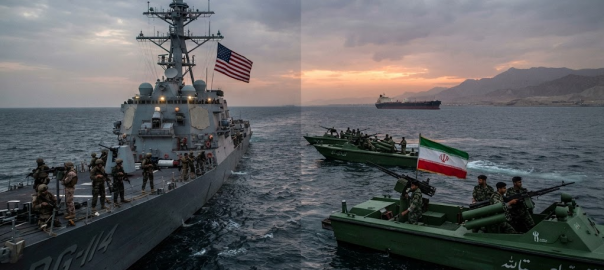
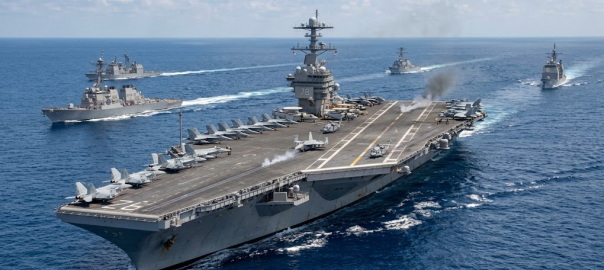
Wed, Jun 17 2026 /Mpelembe Media/ — In June 2026, the United States, under the Trump administration, and Iran agreed to an interim peace deal to halt a devastating four-month conflict that began in February. While the White House has attempted to frame the ceasefire as a victory that will reopen the Strait of Hormuz, geopolitical analysts and international media overwhelmingly characterize the war as one of the greatest strategic blunders in modern US history. The conflict cost the US an estimated $30 billion, resulted in the loss of advanced military hardware, and caused over 7,000 deaths, primarily in Iran and Lebanon. Continue reading

08Jun/26

Playing with Fire: How the 2026 Direct Conflict Reshaped the Middle East and Paralyzed Global Markets

Iran’s 2026 Systemic Collapse

The sources detail a massive geopolitical and economic upheaval centering around the 2026 Iran War, which fundamentally altered the Middle East and the global economy.

Sat, Jun 05 2026 /Mpelembe Media/ — The Geopolitical and Military Conflict: By early 2026, the long-standing “shadow war” between Israel and Iran erupted into a direct, high-intensity conflict. Driven by fears that Iran was mere days away from possessing weapons-grade uranium for a nuclear bomb, Israel and the United States launched unprecedented military strikes targeting Iranian nuclear facilities, air defenses, and energy infrastructure. This followed Israel’s systematic degradation of Iran’s “Axis of Resistance,” including the severe weakening of Hezbollah and Hamas, and the collapse of the Assad regime in Syria. Continue reading

20Apr/26

Claude Mythos triggers global cyber panic

The Mythos Inflection: How Anthropic’s New AI is Rattling Global Finance

April 20, 2026 /Mpelembe Media/ — The Emergence of Autonomous AI Cyber Threats Anthropic’s recent announcement of Claude Mythos Preview has fundamentally disrupted the cybersecurity landscape, marking a transition from AI as a productivity tool to an autonomous offensive cyber weapon. The model has demonstrated an unprecedented ability to discover and exploit zero-day vulnerabilities at machine speed, autonomously uncovering decades-old flaws in systems like OpenBSD, FFmpeg, and the Linux kernel without human intervention. Cybersecurity experts warn this creates an “AI Vulnerability Storm”, collapsing the timeline between a vulnerability’s discovery and its weaponization from months to mere hours. Continue reading

09Apr/26

TACO” (Trump Always Chickens Out) trade theory

Greedflation and the Global Market: How Empty Ultimatums are Costing the Consumer

April 9, 2026 /Mpelembe Media/ —  The analysis explores the geopolitical and economic volatility surrounding the 2025–2026 trade policies of the Trump administration, specifically focusing on the “Taco trade” theory. This investment strategy, standing for “Trump Always Chickens Out,” suggests that markets often rally following aggressive tariff threats because traders anticipate a subsequent retreat or moderation. While some financial analysts view these maneuvers as negotiating tactics, macroeconomic reports warn of a “tax on certainty” that drives inflation and disrupts global supply chains. The texts also detail specific international frictions, such as 100% tariffs on Chinese goods and military tensions with Iran, which impact energy prices and strategic mineral control. Additionally, regional reactions are captured through public discourse in Louisiana regarding political monuments and legislative priorities. Collectively, the sources examine how authoritarian populism and executive discretion have transformed the global trade landscape into a transactional, high-stakes environment.

Continue reading

08Apr/26

The Economic and Strategic Costs of Cosplaying Madness

Wrecking Ball Diplomacy: How ‘America First’ Tariffs and Transactionalism Alienated the World

April 8, 2026 /Mpelembe Media/ —  The “Madman Theory” is a concept in international relations suggesting that a leader can gain coercive bargaining leverage by appearing irrational, highly volatile, or indifferent to the costs of conflict. By cultivating a reputation for madness, a leader attempts to make otherwise incredible threats—such as initiating a nuclear war or destroying the global economy—appear credible, thereby forcing adversaries to concede to avoid a catastrophe.

Continue reading

08Apr/26

The Fragile 2026 Iran War Ceasefire

Global Markets Rally as U.S. Halts Operation Epic Fury for Islamabad Negotiations

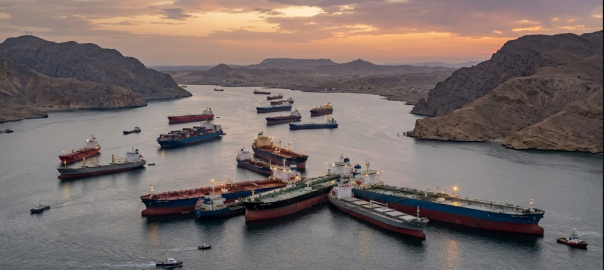
April 8, 2026 /Mpelembe Media/ — The 2026 war in the Middle East has reached a critical diplomatic turning point following a provisional two-week ceasefire between the United States and Iran, agreed upon on April 7, 2026. The truce, brokered through the mediation of Pakistani officials, was reached less than two hours before President Donald Trump’s deadline to launch devastating strikes against Iranian power plants and bridges. Prior to the agreement, Trump had escalated his rhetoric to unprecedented levels, warning that “a whole civilization will die” if Iran did not reopen the vital Strait of Hormuz to global shipping.

Continue reading

06Apr/26

Why Friction Prevents Escalation

U.S. politicians across the political spectrum have reacted with intense alarm to the President’s recent expletive-laden threats toward Iran, with several questioning his mental fitness for office.

April 6, 2026 /Mpelembe Media/ — The current conflict between the United States, Israel, and Iran began in late February 2026 with joint U.S.-Israeli “preemptive” military strikes on Iran, aiming to either eliminate the country’s nuclear capabilities or force regime change. In retaliation, Iran launched drones and ballistic missiles against Israel, as well as U.S. military targets located in the Gulf States and Jordan. Now in its sixth week, the war has severely destabilized the Middle East, killing over 3,500 people across the region—including more than 1,900 in Iran and 1,400 in Lebanon—while displacing millions. Continue reading

10Mar/26

How Operation Epic Fury Fractured Iran

The “Epic Fury” Fallout: 6 Takeaways That Are Redefining the Middle East

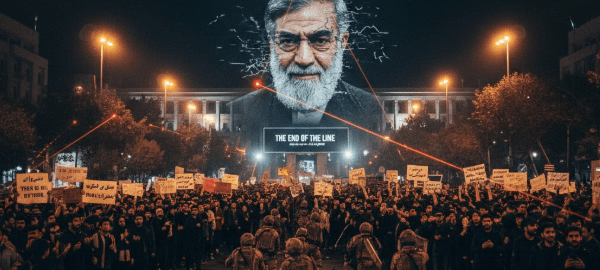
10 Feb. 2026 /Mpelembe Media/ —  These reports detail a 2026 military escalation involving coordinated U.S. and Israeli air strikes against Iran under the Trump administration. Operation “Epic Fury” resulted in the death of Supreme Leader Ali Khamenei and the destruction of significant nuclear and missile infrastructure, prompting Iranian retaliation against Israel and Gulf states. Experts describe the American strategy as maximalist but improvised, noting a lack of clear plans for regime change or post-war governance. The conflict has triggered global economic anxiety due to potential disruptions in the Strait of Hormuz and surging energy prices. Regional security is further complicated by Hezbollah’s involvement in Lebanon and the selection of Mojtaba Khamenei as Iran’s new hardline leader. Ultimately, the sources highlight a strategic dilemma for Washington: balancing the desire for a decisive victory against the risk of an endless regional war. Continue reading