Sampa the Great Reclaims Her Bloodline and Reinvents Zambian Rock on ‘Nu Zamrock’
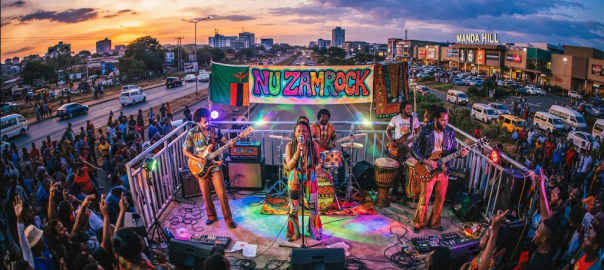
Sun, Nov 01 2026 /Mpelembe Media/ — Sampa the Great (Sampa Tembo) released her third studio album, Nu Zamrock, on October 30, 2026, through Loma Vista Recordings. Spanning 16 tracks across 37 minutes, the record represents an autobiographical reclamation, an intergenerational dialogue, and a modern sonic expansion of Zambia’s foundational 1970s rock movement. Co-executive produced by Sampa alongside Grammy-winning producer Cadenza, the album was crafted across intensive writing sessions in Botswana, production work in Lusaka with Zambian producers Magnus Mando (Mag44) and Solomon Moyo, and finishing sessions in Los Angeles. Rather than treating the project as retro-nostalgia, Sampa describes the record as “the future remembering where it came from,” blending overdriven psychedelic rock guitars and kalindula polyrhythms with hard-hitting hip-hop, poetry, and soul. Continue reading →
Digital Crate-Digging: Combining Visual Metadata, Embedded Streaming, and Sample Discovery
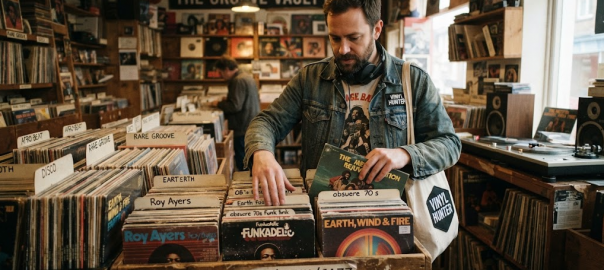
Mon, July 26 2026 /Mpelembe Media/ — Digital music archivism plays a vital role in safeguarding 20th-century sound recordings, bridging physical vinyl history with interactive digital crate-digging platforms. A prime exemplar in this domain is a digital repository indexing over 3,282 rare vinyl releases centered on 1970s soul and 1980s boogie, funk, R&B, and jazz. This collection documents a major transition in popular music, capturing the shift from 1970s analog studio arrangements with rich strings and live rhythm sections into 1980s electro-funk, synth-driven boogie, and early digital recording techniques. The underlying platform utilizes multi-tiered indexing by release year, sub-genre taxonomy, and physical release format, including LPs, rare 7-inch 45s, and extended 12-inch maxi-singles crucial to club mix culture. Furthermore, high-resolution front and back cover photography preserves essential historical documentation such as personnel credits, studio locations, track durations, mastering etchings, and sleeve conditions. To link static metadata with active listening, the archive incorporates embedded YouTube playback alongside an algorithmic “Random Spin” discovery feature that replicates the serendipity of digging through physical record bins. Continue reading →
From Dance Mats to Club Bangers: The Evolution of Nightlife Narratives and Social Chemistry in Pop Music
Sat Oct. 16, 2026 /Mpelembe Media/ — Modern nightlife in contemporary popular music functions as a dynamic microcosm of youth culture, where crowded dance floors, late-night bars, and house parties become vibrant stages for complex emotional negotiations and romantic chemistry. Across featured tracks like Chisenga’s “Loco feat. Joyce Tanmuoh,” artists capture energetic club settings where crowded dance floors, penthouse after-parties, and complicated relationship statuses form the backdrop for unexpected romantic connections. A key narrative device identified across these works is the spectator-protagonist, an individual who balances active participation in collective party rituals with an internal observation of peer dynamics and romantic desire. Works such as Brynn Cartelli’s “Girl Code,” Olivia Rodrigo’s “bad idea right?”, and Ed Sheeran’s “Shape of You” illustrate this tension by contrasting the social safety of friend circles against the impulsive pull of immediate physical attraction, ex-partner relapses, or late-night courtship. Continue reading →
Studio Alchemy and the Technological Architecture of the 1980s
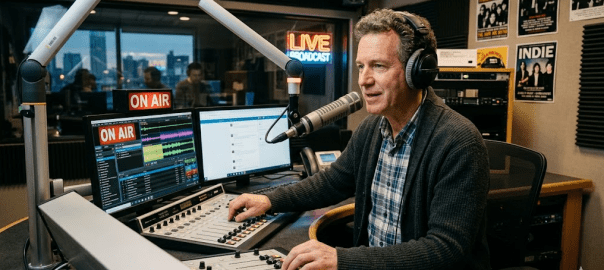
Sun 13 2026 /Mpelembe Media/ —The sonic landscape of 1980s pop music was fundamentally reshaped by studio experimentation and technological breakthroughs, most famously exemplified by the discovery of gated reverb. In late 1979 at Virgin’s Townhouse Studios in London, during sessions for Peter Gabriel’s third solo album, drummer Phil Collins was instructed to play without cymbals while experimenting with rhythms for the song “Intruder”. Recording engineer Hugh Padgham accidentally activated the Solid State Logic (SSL) 4000 console’s heavily compressed reverse-talkback listen microphone hanging in the reflective “Stone Room”. The resulting explosive room ambience was gated and triggered by the close-mic drum signal, causing the dense reverberation to slam shut into immediate silence the moment the signal dropped. This artificial, punchy drum sound became the signature acoustic signature of the decade, catapulted into mainstream culture by Phil Collins’ “In the Air Tonight” and subsequently emulated via digital hardware like the AMS RMX16 processor. The technique defined 1980s pop production and has experienced periodic modern revivals by contemporary artists such as Haim, Lorde, and Beyoncé. Continue reading →
Why We Sing: The Hidden Science of Love, Zambia’s Golden Soul, and the Art of the Perfect Mixtape
Feb 13, 2026 /Mpelembe media/ — The impulse to share a specific song with a partner is among our most enduring romantic rituals, yet it represents a profound transition in the human experience: the shift from music as a fleeting acoustic performance to music as a curated, tangible artifact. This act of intentional construction is not merely about entertainment; it is the building of a “sonic identity” that serves as a physical representation of intimacy. To understand why music maintains such a visceral grip on our romantic lives, we must look to the intersection of evolutionary ontogeny and cultural heritage. From the rhythmic scaffolding of our ancestors to the “Golden Soul” of 1970s Zambia, music functions as a sophisticated toolkit designed to signal fitness, accelerate trust, and preserve our collective “affective heritage.”
Black music record stores have always been more than just places to buy records. These spaces became lifelines for communities, cultural hubs where people gathered, shared stories and connected over a shared passion for music.
From the early days of the Windrush generation to the present, these stores have been a vital part of the Black cultural experience. For many, they were crucial in shaping not just their musical tastes, but their sense of identity and belonging.
Generations of parents have told their children to practice their musical instruments. Parents have good reason to keep on top of their children’s musical education, since learning an instrument is not only associated with better educational attainment but also cognition (thinking) and even intelligence scores in children. But does this musicality translate to better cognition later in life?
Jan. 29, 2024 /Entertainment/ — There’s a fascinating dynamic between music and mood, and it’s not always clear which one is leading the dance. Both perspectives – music influencing moods and moods influencing music – hold merit, and the relationship can be quite complex. Continue reading →
/Music/ — Now That’s What I Call Music (NOW) is a compilation series of popular music released in the United Kingdom since 1983. The series is known for its eclectic mix of genres, including pop, rock, dance, and R&B. NOW has been a popular source of music for young people in the UK for many years, and it has played a significant role in British pop culture.
The Origins of NOW
The idea for NOW was conceived by Virgin Records executive Simon Draper in 1982. Draper was inspired by the success of a similar series in the US called “K-Tel Records.” Draper believed that there was a market for a compilation series that featured the biggest hits of the day.
The first NOW album was released in 1983 and was an instant success. It sold over 1 million copies in the UK and topped the charts for 30 weeks. The album’s success was due in part to its strong tracklisting, which featured hits from artists such as Culture Club, Duran Duran, and Michael Jackson.
NOW’s Influence on British Pop Culture
NOW has had a significant impact on British pop culture for many years. The series has helped to launch the careers of many successful artists, including Oasis, Blur, and Spice Girls. NOW has also been a major force in the development of British dance music.
The series has been praised for its ability to capture the zeitgeist of British music. NOW albums have always been a reflection of the current musical landscape, and they have helped to define the sound of British pop music for many years.
NOW in the 21st Century
NOW is still a popular series today. The latest album, NOW 113, was released in 2023. NOW has also expanded into other areas, such as television and DVD.
The series is still significant in British pop culture because it continues to provide a snapshot of the current musical landscape. NOW is a valuable resource for anyone who wants to stay up-to-date on the latest music trends.
Here are some of the reasons why NOW is still significant in British pop culture:
It is a reflection of the current musical landscape.
It is a source of new music for young people.
It has helped to launch the careers of many successful artists.
It is a major force in the development of British dance music.
It is a valuable resource for anyone who wants to stay up-to-date on the latest music trends.