April 17, 2026 /Mpelembe Media/ — Andy Kershaw’s career as a pioneering radio broadcaster was defined by his relentless curiosity and rejection of Anglo-American rock hegemony in favor of global “roots” music. Beginning his BBC Radio 1 tenure in 1985 with the rare privilege of complete editorial freedom over his playlist, Kershaw mixed country, blues, reggae, folk, and a vast array of African, Caribbean, and Latin American dance music. His broadcasting philosophy was anchored in a Reithian motto he shared with his mentor, producer John Walters: “We’re not here to give the public what it wants. We’re here to give the public what it didn’t know it wanted”. Continue reading
Tag Archives: Russia
From Doret Legore to Kemi Badenoch: Unpacking Britain’s Post-Racial Paradox
The Bureaucratic Class and the Culture War: Kemi Badenoch’s Vision for Britain
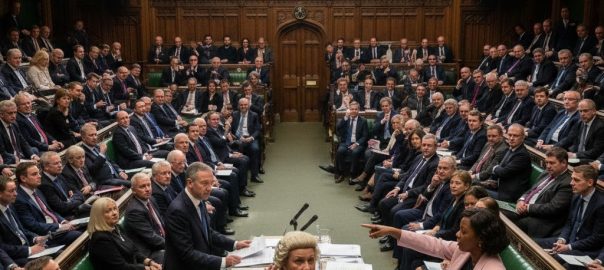
April 9, 2026 /Mpelembe Media/ — The provided sources revolve around the contemporary British political and cultural landscape, specifically focusing on debates over race, institutional power, and conservative ideology. The material can be summarized across three interconnected themes: Continue reading
TACO” (Trump Always Chickens Out) trade theory
Greedflation and the Global Market: How Empty Ultimatums are Costing the Consumer
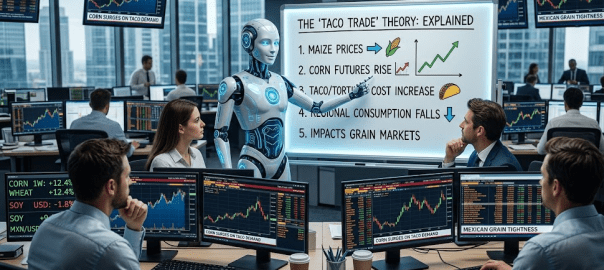
April 9, 2026 /Mpelembe Media/ — The analysis explores the geopolitical and economic volatility surrounding the 2025–2026 trade policies of the Trump administration, specifically focusing on the “Taco trade” theory. This investment strategy, standing for “Trump Always Chickens Out,” suggests that markets often rally following aggressive tariff threats because traders anticipate a subsequent retreat or moderation. While some financial analysts view these maneuvers as negotiating tactics, macroeconomic reports warn of a “tax on certainty” that drives inflation and disrupts global supply chains. The texts also detail specific international frictions, such as 100% tariffs on Chinese goods and military tensions with Iran, which impact energy prices and strategic mineral control. Additionally, regional reactions are captured through public discourse in Louisiana regarding political monuments and legislative priorities. Collectively, the sources examine how authoritarian populism and executive discretion have transformed the global trade landscape into a transactional, high-stakes environment.
How Operation Epic Fury Fractured Iran
The “Epic Fury” Fallout: 6 Takeaways That Are Redefining the Middle East
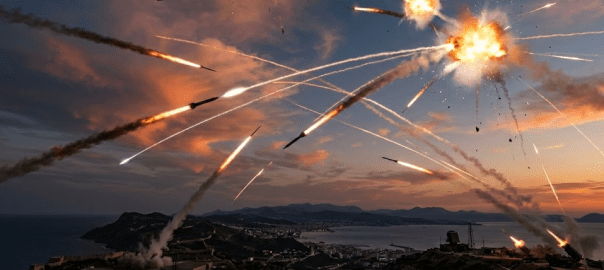
10 Feb. 2026 /Mpelembe Media/ — These reports detail a 2026 military escalation involving coordinated U.S. and Israeli air strikes against Iran under the Trump administration. Operation “Epic Fury” resulted in the death of Supreme Leader Ali Khamenei and the destruction of significant nuclear and missile infrastructure, prompting Iranian retaliation against Israel and Gulf states. Experts describe the American strategy as maximalist but improvised, noting a lack of clear plans for regime change or post-war governance. The conflict has triggered global economic anxiety due to potential disruptions in the Strait of Hormuz and surging energy prices. Regional security is further complicated by Hezbollah’s involvement in Lebanon and the selection of Mojtaba Khamenei as Iran’s new hardline leader. Ultimately, the sources highlight a strategic dilemma for Washington: balancing the desire for a decisive victory against the risk of an endless regional war. Continue reading
Why AI Integration Depends on Zambian Copper
From Starlink to War Finance: Navigating the High-Stakes Paradox of the 2026 Economy
March 10, 2026 /Mpelembe Media/ — The provided text serves as a digital business and technology analysis hub known as the Mpelembe Network, focusing specifically on the African market. This platform highlights current global trends ranging from the geopolitical impact of war and inflation to advancements in artificial intelligence and satellite communications. It organizes content through a diverse system of trending tags that cover various academic disciplines, specific geographic regions, and major tech corporations. By bridging the gap between economic theory and modern innovation, the source offers a comprehensive view of the interconnected global economy. This specific snapshot emphasizes the growing importance of secure AI applications and data science within the modern business landscape. Continue reading
How is the U.S.-Israel-Iran conflict reshaping the global economy?
March 7, 2026 /Mpelembe Media/ — Geopolitical Risk Report: The 2026 West Asian Realignment and the Collapse of Regional Diplomacy
The U.S.-Israel-Iran conflict is triggering severe shocks across the global economy, primarily through disruptions to energy supplies, international trade routes, financial markets, and critical technology infrastructure.
Energy Market Upheaval The most immediate economic threat stems from rising energy prices due to the disruption of the Strait of Hormuz—a crucial maritime chokepoint that normally handles about one-fifth of the world’s oil and liquefied natural gas (LNG). Following Iranian threats, commercial shipping through the strait has slowed to a near-standstill, with tanker traffic dropping by about 90% and multiple insurance firms canceling coverage for Gulf vessels. Continue reading
Global Transit in Chaos: War in Iran Triggers Massive Airspace Closures and Threatens Energy Markets
Middle East in Turmoil: US-Israeli Strikes Kill Khamenei, Triggering Iranian Retaliation and Global Transit Paralysis
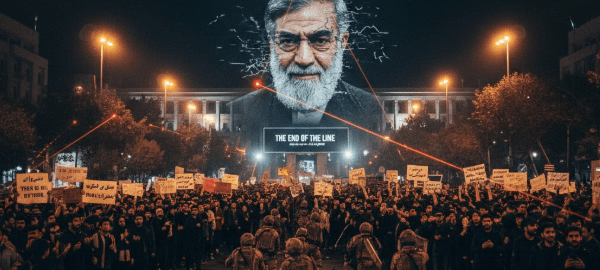
March 2, 2026 /Mpelembe Media/ — On February 28, 2026, the United States and Israel launched a massive, coordinated military campaign against Iran, targeting the country’s leadership, nuclear facilities, and military infrastructure. The strikes resulted in the assassination of Supreme Leader Ali Khamenei and dozens of top Iranian military and government officials, severely degrading the regime’s command-and-control structure. Continue reading
The Decapitation Strike on Supreme Leader Khamenei
Middle East in Flames: US-Israeli Strikes on Tehran Prompt Massive Iranian Counterattack
28 Feb. 2026 /Mpelembe Media/ — These reports detail a massive joint military operation by the United States and Israel against Iran on February 28, 2026, aimed at dismantling its nuclear program and security apparatus. President Donald Trump and Prime Minister Benjamin Netanyahu confirmed the strikes, with the later claiming that Supreme Leader Ayatollah Ali Khamenei was likely killed in an attack on his compound. In response, Iran and its regional allies launched retaliatory missile and drone barrages at Israel and several U.S. military bases in the Persian Gulf. International reactions vary, as Western leaders support the effort to prevent a nuclear-armed Iran while Oman, Russia, and China warn of a catastrophic regional war. Domestic chaos has gripped Iran, characterized by infrastructure damage, internet blackouts, and civilians attempting to flee the capital amidst calls for regime change. Continue reading
Pentagon Ultimatum: Anthropic Faces Blacklist and Federal Compulsion if AI Guardrails Aren’t Dropped by Friday
25 Feb. 2026 /Mpelembe Media/ — The U.S. Department of Defense has issued a strict ultimatum to the artificial intelligence company Anthropic, demanding that it remove its self-imposed ethical guardrails for military use by 5:01 PM on Friday, February 27, 2026. During a tense meeting at the Pentagon, Defense Secretary Pete Hegseth told Anthropic CEO Dario Amodei that the military requires unrestricted access to the company’s flagship AI model, Claude, for “all lawful purposes”. Continue reading
Epstein Files Release: DOJ Declares Mission Accomplished as 3.5 Million Pages Expose Elite Networks, Trigger Resignations, and Spark Privacy Outcry
02, Feb. 2026 /Mpelembe Media/ — The Department of Justice (DOJ) released a final tranche of documents on January 30, 2026, totaling over 3.5 million pages, 2,000 videos, and 180,000 images. While the DOJ identified over 6 million potentially responsive pages, it released only about half, discarding duplicates and non-relevant materials, and has declared its review complete and its legal obligations met. This assertion has drawn bipartisan criticism from lawmakers like Rep. Ro Khanna and Rep. Thomas Massie, who question why millions of pages remain withheld and are demanding access to unredacted files. Continue reading