Tag Archives: Uganda

07Aug/26

From Zamrock to Internet Kill-Switches

The Rise of Zed Beats and the Digital Music Revolution

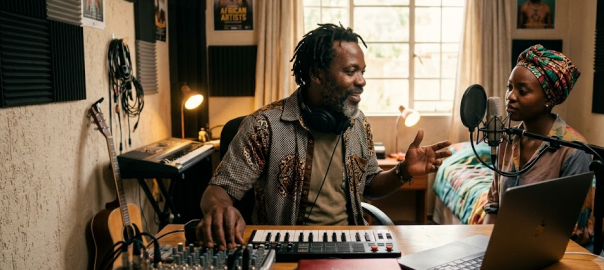
Fri , Aug 0& 2026 /Mpelembe Media/ — Zed Beats, which takes its name from the letter “Z” in Zambia, represents a dynamic hybrid music genre that emerged in the late 1980s. Young, self-taught producers began using affordable computer software to blend indigenous Zambian elements with popular global sounds like R&B, reggae, rap, hip-hop, Jamaican dancehall, Afrobeats, and amapiano. The rise of this digital movement was catalyzed by a major cultural void in the late 1980s and 1990s, when the devastating HIV/AIDS epidemic claimed the lives of a generation of veteran musicians who had anchored traditional live genres like Kalindula and Zamrock. To fill this void, which had left radio and television heavily dominated by foreign music, young enthusiasts utilized newly accessible computer technology to resurrect local music and forge a modern urban identity. Continue reading

06Aug/26

AI Automates the Industrialized Cybercrime Economy

Coordinated Policing Battles a Surge in Sophisticated, AI-Powered Scams Across Africa

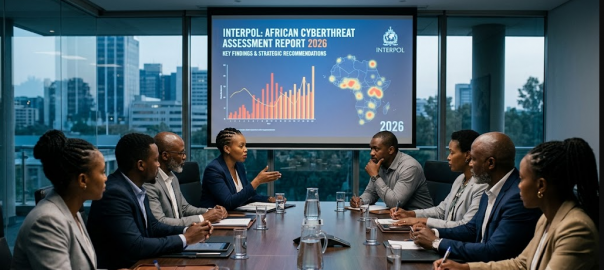
Thur , Aug 06 2026 /Mpelembe Media/ — Artificial intelligence has become the primary engine transforming cybercrime across Africa, driving 55 percent of all reported digital offenses and shifting the threat landscape from isolated incidents into an industrialized, borderless criminal ecosystem. This automation spans every stage of a cyberattack, from initial target reconnaissance and highly personalized phishing generation to execution, extortion, and operational evasion. Fueled by the continent’s rapid digital transformation, which reached over 1.1 billion registered mobile subscribers in 2025, cybercriminals have successfully scaled their operations to target massive audiences simultaneously. This has resulted in a devastating financial toll, with annual regional losses skyrocketing from $192 million in 2024 to $484 million in 2025, while the number of identified individual victims surged from 35,000 to 87,000. Continue reading

03Aug/26

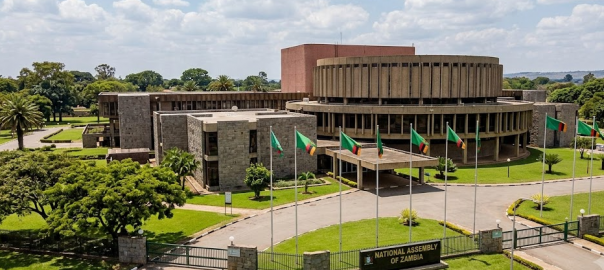
Zambia’s Debt Miracle and Democratic Backsliding

For Zambian voters, the 2026 election represents a critical choice balancing long-term macroeconomic recovery against immediate, severe household pressures. While President Hakainde Hichilema’s administration successfully restructured the nation’s default-era debt and introduced popular programs like universal free education, ordinary citizens are heavily squeezed by a high cost of living, rising food costs, and inflation exacerbated by a historic drought. A primary concern voters should watch out for is the post-election handling of the country’s structural electricity crisis. To avoid grueling 20-hour blackouts during the campaign cycle, the state utility ZESCO has relied on costly emergency regional power imports. Because this spending is fiscally unsustainable, voters face the high risk of a post-election fiscal correction, which will likely involve steep, inflation-inducing retail tariff hikes or a return to severe load-shedding. Furthermore, due to widespread grassroots dissatisfaction with local representation, there is a strong potential for split-ticket voting, meaning voters may back the incumbent president while actively rejecting sitting members of parliament and local councilors. Continue reading

21May/26

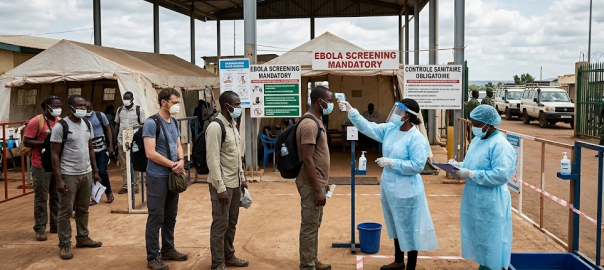
Why Ebola Borders Must Stay Open

The 2026 Bundibugyo Ebolavirus Epidemic and Research Landscape

Thur, May 21 2026 /Mpelembe Media/ — The 2026 Global Health Emergency In May 2026, the World Health Organization (WHO) declared the outbreak of the Orthoebolavirus bundibugyoense (Bundibugyo virus) in the Democratic Republic of the Congo (DRC) and Uganda a Public Health Emergency of International Concern (PHEIC). The epidemic, which originated in the Ituri Province of the DRC and expanded into Kampala, Uganda, has exposed significant vulnerabilities in international disease surveillance and containment. The rapid spread of the virus has been exacerbated by a combination of cross-border dynamics, high-traffic mining operations, and regional humanitarian crises. Continue reading

25Jan/26

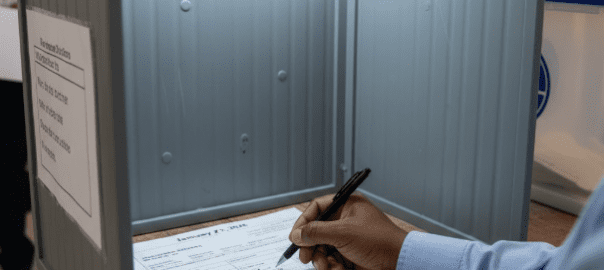
A Democratic Sea Change: Africa’s 2026 Election Calendar

Jan. 25, 2026 /Mpelembe Media/ — The year 2026 represents a critical juncture for African democracy as numerous nations across the continent prepare for high-stakes elections. While countries like Zambia and Benin face tests of institutional integrity and leadership transitions, others such as Uganda and Ethiopia continue to struggle with political suppression and internal conflict. Long-standing leaders in the Republic of the Congo and Djibouti maintain their grip on power, whereas nations like Libya and South Sudan face deep uncertainty regarding their ability to hold votes at all. These upcoming polls occur against a backdrop of regional instability and varying levels of public trust in the electoral process. Ultimately, the collective results of these contests will determine if the continent is moving toward a systemic democratic shift or further entrenched authoritarianism. Through this comprehensive calendar, the source highlights the diverse political challenges and socioeconomic factors shaping the future of African governance. Continue reading

21Nov/25

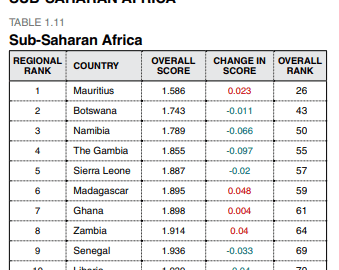
The Global Peace Index: How did African Countries Perform in 2025?

Nov. 21, 2025 /Mpelembe Media/ — Africa, particularly the Sub-Saharan Africa (SSA) and Middle East and North Africa (MENA) regions, features prominently in the report’s analysis of global instability and conflict, often ranking among the world’s least peaceful and most conflict-affected areas.

The overall trend shows a continuous decline in peacefulness for both regions, marked by severe conflicts, rising geopolitical competition, and acute economic stressors. Continue reading

18Mar/25

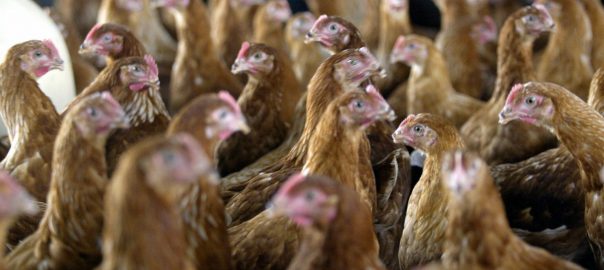
High soybean prices in Zambia and Malawi may make chicken costly too: lack of competition is to blame

Arthur Khomotso Mahuma, University of Johannesburg and Namhla Landani, University of Johannesburg

Poultry is one of the cheapest protein sources for the growing population of the east and southern Africa region. That makes soybeans critical to food security in the region, as they are an important input in chicken feed.

Continue reading

06Oct/23

Exporting surveillance to Africa

By Kim Harrisberg | South Africa correspondent

Privacy experts are calling for citizens to be protected from growing surveillance in Africa, following a new report by the Institute of Development Studies (IDS) and the African Digital Rights Network (ADRN).

Their report, “Mapping the supply of surveillance technologies to Africa” focuses on Nigeria, Ghana, Morocco, Malawi and Zambia importing surveillance tech from countries including the U.S., Britain, China, Israel as well as the EU amounting to more than $1bn every year. Continue reading

21Jun/23

Lemme explain Pride Month to people in Uganda

June 21, 2023 /World/ — Pride Month is a month-long celebration of the LGBTQ+ community. It is a time to raise awareness of the challenges that LGBTQ+ people face, and to celebrate their achievements and contributions to society.

The Mpelembe Network is a Ugandan organization that works to promote the rights of LGBTQ+ people in Uganda. They are proud to be a part of Pride Month, and they are using this opportunity to raise awareness of the challenges that LGBTQ+ people face in Uganda. Continue reading

31May/23

It is not illegal to be LGBTQ

May 31, 2023 /Lifestyle/ –Uganda is a relevant country on the global scale for a number of reasons, including its strategic location in East Africa, its large population, and its natural resources. The country is also a member of the United Nations and the African Union, and it plays an important role in regional security and development.

However, Uganda’s anti-LGBTQ laws have made it a target of international criticism. In 2014, the Ugandan Parliament passed a bill that would have made same-sex sexual activity punishable by life in prison. The bill was met with widespread international condemnation, and it was eventually withdrawn. However, the country’s anti-LGBTQ laws remain in place, and LGBTQ people in Uganda continue to face discrimination and violence. Continue reading